
From Battery Drain to the Next AI Wave, What Developers Need to Know Now
Here’s something every smartphone user has felt at some point: you check your battery around midday and it’s already halfway gone, with no obvious culprit. This week, that vague frustration got a specific name. Reports surfaced that a popular photo app has been quietly draining batteries by processing ever-larger images and videos directly on the device. It’s a granular problem with a simple fix in the works, but it points to a much larger, systemic shift happening right now.
At the exact same time, the artificial intelligence ecosystem is entering what several observers are calling a brand new phase. Major players are moving beyond flashy research demos and into products that will touch billions of users. One company plans to slot ads into its conversational assistant, fundamentally changing how AI services make money. Another just launched a coding assistant that lives inside developer tooling. Big cloud vendors are baking AI into everyday apps like email, offering automatic summaries and writing help at a massive scale.
So what do a battery-hungry photo app and the next wave of cloud AI have in common? Everything. They’re two sides of the same coin, revealing a simple truth for developers: software at scale now touches device resources, cloud economics, and human workflows all at once. You can’t optimize one without thinking about the others.
The Silent Drain on Your Pocket
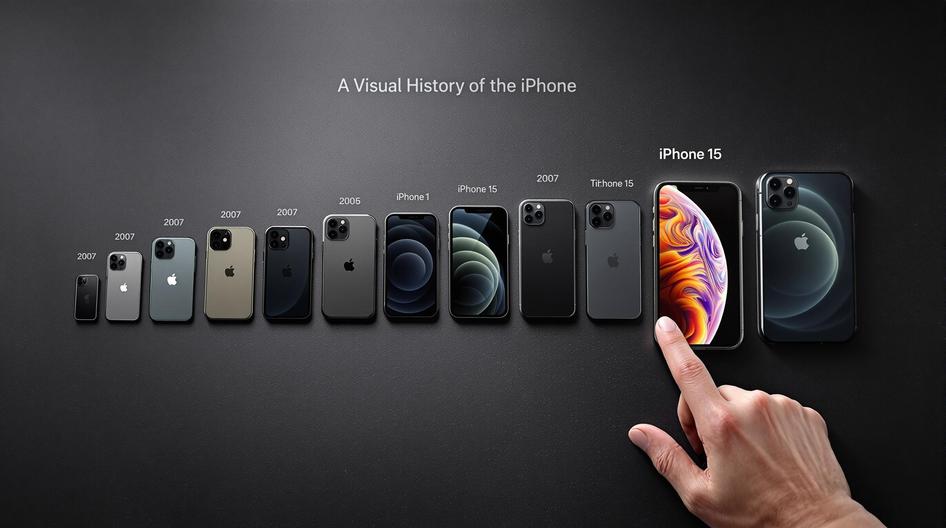
Let’s start with the device-level story, because it’s the one users feel immediately. Modern phones capture stunningly high-resolution media. Features like real-time video enhancement and computational photography are amazing, but they come at a cost: increased CPU and GPU load, more heat, and faster battery depletion. According to a recent Forbes report, one major photo service has been consuming significant power by processing these large files locally. The company has prepared fixes, signaling a critical shift. User-facing apps must now balance slick new capabilities with serious resource awareness.
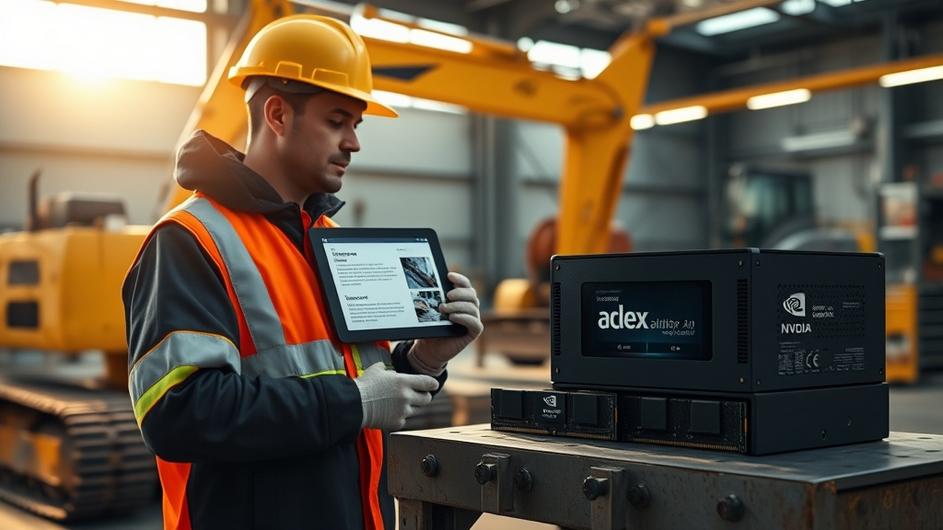
For developers, this is a wake-up call. It’s not enough to build a feature that works. You have to measure its runtime and energy cost, especially for background tasks. You need to give users clear controls over heavy processing options. And perhaps most importantly, you must profile media pipelines on real hardware, not just emulators. The gap between simulation and reality, as we’ve seen in the evolution of smartphones as AI edge nodes, can be the difference between a delightful app and a battery vampire.
AI’s Pivot from Promise to Product
While phones are getting smarter about power, the AI race in the cloud is accelerating into uncharted territory. As Axios highlights, we’re seeing at least six signs that the industry has entered a new phase. Monetization is front and center, with ads coming to conversational AI. Productivity tooling is becoming deeply integrated, not just tacked on. And the sheer infrastructure required to run these models is forcing a reckoning with cost and scale.
This isn’t just about bigger models. It’s about AI becoming a utility layer inside software people use every day. Think about it: automatic email summaries, AI-powered writing help in your document editor, coding assistants that understand your entire codebase. This shift, detailed in our look at how 2025 rewrote the AI playbook, means developers are no longer just consumers of AI APIs. They’re architects of hybrid systems that span devices and data centers.
Where Device Meets Cloud: The Critical Choice
This is where the battery story and the AI story collide in a way that matters for every product team. When AI features proliferate, more inference and data movement follows. That can spike network and compute demand, which indirectly but surely impacts device battery life. But here’s the twist: smarter server-side processing can also reduce client work. The design choice between doing heavy lifting on the device or in the cloud has never been more critical.
Developers now face a multi-variable equation: latency, privacy, energy use, and cost. Run a model on the device for instant response and data privacy, but burn through battery. Offload it to the cloud to save power, but introduce lag and potential privacy concerns. This balancing act is at the heart of the edge AI revolution, where the line between local and remote intelligence is constantly being redrawn.

Beyond Code: Workforce and Infrastructure Realities
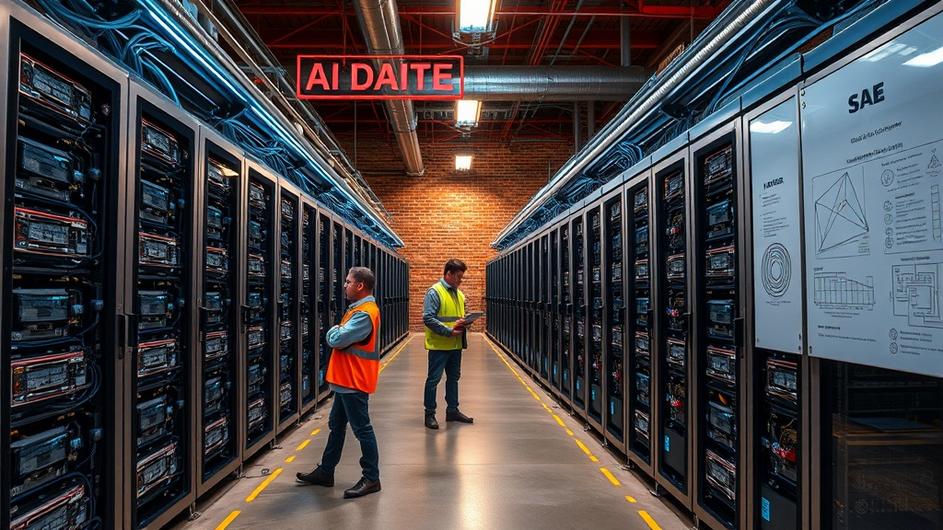
The implications stretch far beyond lines of code. Recent analysis suggests AI will transform many jobs rather than simply eliminate them, with new tools augmenting knowledge work. That’s encouraging, but there’s a catch. A construction boom in data center and AI infrastructure requires skilled labor that the market is struggling to supply right now.
For teams building AI-enabled features, this means planning for long-term platform costs isn’t enough. You need to think about hiring or training people who understand both the software and the physical systems that support it. The era of siloed expertise is ending. As we explored in our analysis of AI’s infrastructure rewrite, the teams that thrive will be those that connect silicon to software to user experience.
What Developers Should Do Today
So what does this mean for your next sprint or product roadmap? The takeaways are refreshingly concrete.
First, instrument your apps to surface the real cost of features. Don’t just track crashes track energy consumption patterns. Give users clear settings to toggle computationally heavy options. Be transparent about what happens when they enable that fancy new AI filter.
Second, architect for flexibility. Consider hybrid approaches that offload heavy model inference to servers when privacy and latency allow, but keep lightweight personalization on the device. This isn’t just technical it’s a product philosophy that respects user resources.
Third, watch the business model shifts closely. Ads in AI interfaces, subscription changes, and new monetization schemes will directly influence user expectations and product design. The tools themselves are evolving rapidly, as seen in the rise of vibe coding and agentic AI tools that are changing how software gets built.
The Road Ahead: Pragmatism Over Hype
We’re entering a period where device experience, cloud AI, and business models are evolving in lockstep. That creates incredible opportunities to build products that are both delightful and efficient. But it also raises the bar for developers, demanding multidisciplinary thinking that combines UX empathy with systems architecture and cost awareness.
The smarter path forward isn’t feature maximalism it’s pragmatic optimization. Expect to see better power-aware libraries and platform APIs that give developers finer control over energy use. Cloud providers will compete on tighter, cheaper options for model hosting. And as monetization becomes explicit in more AI interfaces, design ethics and transparency will emerge as genuine competitive advantages.
For developers, the next-generation skill set blends algorithmic literacy, energy-conscious engineering, and sharp product judgment. The winners in this new landscape won’t be the teams that build the flashiest AI demos. They’ll be the ones who build useful AI features without burning through a device battery, a company balance sheet, or most importantly, user trust.
It’s a challenging moment, but also an exciting one. The constraints are real, but they’re forcing innovation that makes technology work better for everyone. The move from cloud AI to real-world integration is happening now, and developers who understand both the silicon and the software will lead the way.
Sources
Is Google Photos Destroying Your Battery, A Fix Is Finally Coming, Forbes, Jan 17 2026
6 signs the AI race just entered a new phase, Axios, Jan 17 2026