
From Gadgets to Governance, How Agentic AI and Cheaper Chips Are Rewriting Professional Work
Remember when AI was all about chatbots that could write poems or generate images of cats in space? That was so 2024. In 2026, the conversation has shifted dramatically. We’re not talking about parlor tricks anymore. We’re talking about practical orchestration, where hardware advances meet sophisticated software that actually coordinates real work across teams and systems.
If you walked the floors at CES 2026, you saw this shift happening in real time. The buzz wasn’t about the next viral AI demo. Instead, people were talking about chips getting cheaper and more powerful, platforms like Nvidia’s new stacks maturing, and a wave of devices that promise AI everywhere, not just in the cloud. It’s what one analyst called “the year AI left the lab and started working the floor.”
The Hardware Revolution That Changed Everything
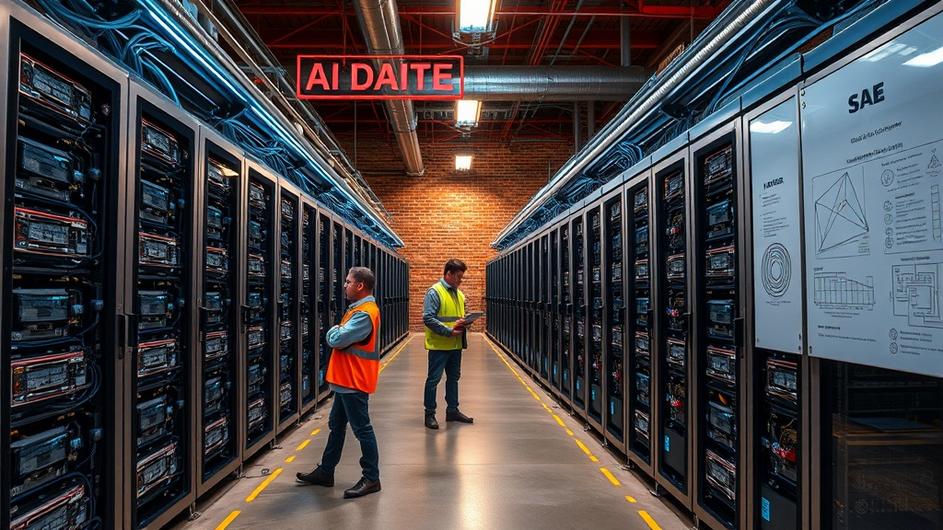
Let’s start with a simple technical reality that’s reshaping the entire landscape. Memory and specialized compute costs have fallen enough that running sophisticated models outside of a handful of cloud data centers is now viable. This isn’t just incremental improvement. It’s a fundamental shift that unlocks two things simultaneously: more capable devices and better integration.
Think about what this means for developers. Hardware improvements let them move beyond single-action tools, like a basic clause extractor or a simple contract summarizer, toward multi-agent systems. We’re seeing this play out across the industry, from edge AI deployments to new enterprise platforms. The barrier to entry keeps dropping, which means more teams can experiment with sophisticated AI workflows without needing massive cloud budgets.
What Agentic AI Actually Means (And Why It Matters)
Agentic AI is the shorthand for this shift, but what does it really mean? Instead of one model doing one job, an agentic system coordinates multiple AI “agents” that each have specific roles. Picture a legal workflow where different AI agents handle drafting, checking compliance, negotiating changes, and updating transaction trackers simultaneously. The result feels less like a toy and more like an assistant that can manage an end-to-end process.
| Traditional AI Systems | Agentic AI Systems |
|---|---|
| Single-purpose tools | Multi-agent coordination |
| One model, one task | Specialized agents working together |
| Limited workflow integration | End-to-end process management |
| Cloud-dependent | Hybrid edge-cloud deployment |
| Demo-focused value | ROI-driven implementation |
This transition is happening faster than many predicted. As noted in Artificial Lawyer’s 2026 predictions, “the move from single-function tools to coordinated agent systems represents the most significant architectural shift in legal tech since the move to cloud computing.”
The Legal Tech Transformation: From Experiments to Operations
For legal teams, this shift is particularly consequential. Law has long relied on point solutions and human coordination. Remember all those AI pilots that ended as interesting experiments rather than operational changes? In 2026, we’re seeing the reverse. Tools are being built as workflow products from the ground up, designed to sit inside existing matter management systems, document repositories, and team processes.
That changes how value gets judged. Novelty isn’t enough anymore. The metric that matters is time saved and risk reduced. When an agentic system can prepare a draft, surface risk issues, suggest negotiation moves, and populate a document list automatically, its worth gets measured in fewer billable hours spent on repetitive tasks and more consistent, auditable outputs.
“What we’re witnessing,” explains Michael Parekh in his AI Ramblings newsletter, “is a reset to zero in how we think about AI value. The flashy demos got attention, but the coordinated systems are getting adoption because they solve real business problems.”

New Business Models: From Hours to Outcomes
This measurement shift is pushing commercial models in interesting directions. Early adopters are experimenting with pricing that ties fees to outcomes or value delivered rather than hours logged. For clients, this is attractive because they see the same efficiency gains they’ve witnessed across other industries finally reaching professional services.
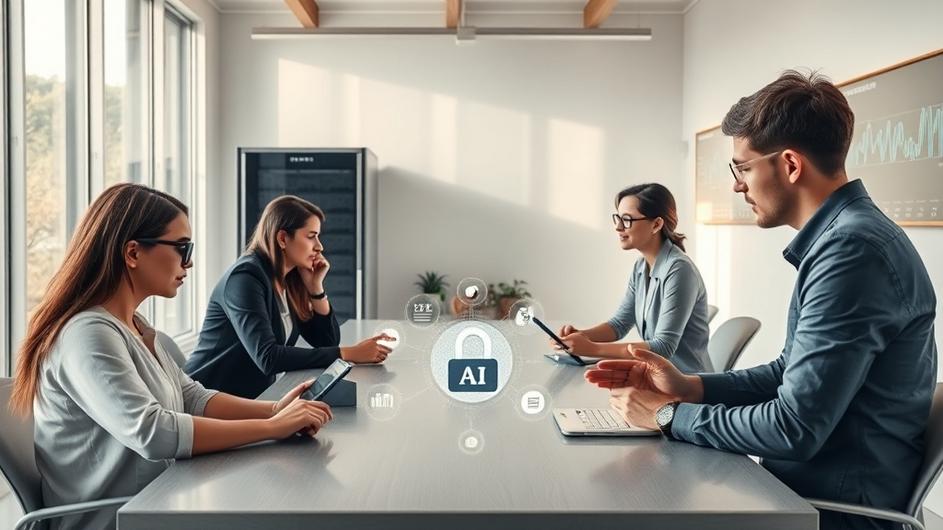
But here’s the crucial nuance. Companies and law firms aren’t looking for fully autonomous lawyers. Trust and accountability still matter tremendously. What they want is augmentation that preserves human judgment while handling the routine and procedural work. Essentially, they’re moving the human role up the value chain, focusing professionals on strategic decisions rather than administrative tasks.
Could this model extend beyond legal? Absolutely. We’re already seeing similar patterns in other professional workflows, from PR agencies to consulting firms. The underlying principle remains the same: use AI to handle repeatable processes so humans can focus on what they do best.
The Cultural Counterpoint: AI Fatigue Meets ROI Reality
Every technological shift has its cultural counterpoint. After years of hype, AI fatigue is real. Walk around any tech conference today, and you’ll hear less about wonder and more about ROI. People at events like CES talk about practical applications, not theoretical possibilities.
That skepticism is actually healthy. It forces vendors and adopters to focus on measurable benefits. The hardware trends make deployment easier, but teams still need clear workflows, governance structures, and proper guardrails. Explainability, audit trails, and fail-safe handoffs to human experts will determine whether agentic systems get seen as useful helpers or opaque risks.
As one legal tech director told me recently, “We’re past the ‘wow’ phase. Now we’re in the ‘how’ phase. How does this integrate with our existing systems? How do we maintain oversight? How do we measure actual impact?” These are the right questions for 2026.
The Integration Challenge: Where the Real Work Begins
Architecturally, the coming challenge is integration. Agentic systems are powerful when they coordinate effectively, so legal departments will want them embedded into case management, billing, and compliance systems. That requires investment in infrastructure and a willingness to reframe processes.
Vendors that succeed will be those who deliver pre-built workflow templates, robust connectors, and sensible controls that map to existing legal practice rather than asking firms to reinvent how they operate. This is where the model context protocol and other integration frameworks become critical. They provide the plumbing that makes sophisticated AI systems work within established business environments.
Think about it this way. The AI might be brilliant at drafting contracts, but if it can’t seamlessly update your matter management system or sync with your billing software, its utility drops dramatically. Integration isn’t a nice-to-have feature anymore. It’s the make-or-break factor for adoption.
Beyond Law: The Ripple Effects Across Industries
The intersection of cheaper chips and better orchestration has implications far beyond legal tech. It accelerates a general trend where specialized workloads migrate to the edge, to client devices, and to hybrid clouds. This enables more responsive and private workflows across sectors.
We’re already seeing industry-specific agentic systems proliferate in finance, healthcare, and even creative fields. Anywhere repeatable processes benefit from coordinated automation under human oversight, these systems are gaining traction. The pattern is consistent: start with a clear workflow problem, deploy specialized agents to handle discrete tasks, and maintain human oversight for quality control and strategic decisions.
In healthcare, for instance, agentic systems might coordinate patient intake, preliminary diagnosis suggestions, and treatment plan drafting while keeping doctors in the loop for final approvals. In finance, they could handle compliance checks, risk assessments, and report generation simultaneously. The architecture remains similar, but the applications multiply.
Looking Ahead: What Comes After the Hype Cycle
So what should we expect moving forward? The landscape will reward pragmatism over hype. Leading firms and departments will adopt agentic AI as part of their operating models, not as marketing talking points. Pricing experiments will become more mainstream, oriented around outcomes and shared incentives rather than simple software licensing.
Hardware progress will continue lowering the barrier to deploy sophisticated AI systems. As CES 2026 demonstrated, we’re entering an era where powerful AI capabilities become accessible to smaller teams and organizations. This democratization effect could reshape competitive dynamics across multiple industries.
But the bigger question is cultural. Will organizations pair these powerful tools with disciplined governance and design them to amplify professional judgment? Or will they treat AI as a magic bullet that solves problems without addressing underlying process issues?
The answer to that question will determine whether 2026 gets remembered as the year AI stopped being a novelty and became an indispensable collaborator across technical and professional domains. Based on what we’re seeing in forward-thinking legal departments and other professional services firms, the trend is moving toward thoughtful integration rather than blind adoption.
The Bottom Line for Tech Professionals
If you’re working in tech, development, or professional services, here’s what you need to understand about this shift:
First, the hardware revolution is real and accelerating. Cheaper, more powerful chips mean you can deploy sophisticated AI systems without massive cloud budgets. Second, agentic systems represent the next logical step in AI evolution, moving from single-purpose tools to coordinated workflows. Third, integration matters more than ever. The most brilliant AI is useless if it doesn’t work with your existing systems.
Finally, and perhaps most importantly, the cultural shift toward measured, ROI-focused AI adoption is here to stay. The days of implementing AI because it’s cool are over. Now it’s about implementing AI because it solves specific business problems in measurable ways.
As we look toward the rest of 2026 and beyond, keep an eye on how these trends develop. Watch for more agentic AI implementations moving from pilot programs to production environments. Notice how pricing models evolve as vendors and clients negotiate value-based arrangements. And pay attention to how different industries adapt these technologies to their specific needs.
The transition from gadgets to governance isn’t just a catchy phrase. It’s the reality of AI in 2026. The technology has grown up, and now it’s time for our implementation strategies to mature alongside it.
Sources
- CES 2026: When AI Left the Cloud and Entered the Real World
- CES 2026 Aftermath: AI Rebooted, Hardware Hype, and the Next Phase of Intelligent Devices
- Edge AI Revolution: How Hardware Innovations and Strategic Partnerships Are Reshaping Connected Intelligence
- AI Transforms Professional Workflows: Event Management, PR, and Talent Acquisition Enter a New Era
- Agentic AI and the Model Context Protocol: Reshaping Enterprise Integration and Collaboration
- The Rise of Agentic AI: Building the Future with Intelligent Automation
- Artificial Lawyer Predictions 2026 – Part 2, Artificial Lawyer, 12 Jan 2026
- AI Ramblings: Episode 37 – AI: Reset to Zero, AI Ramblings (Michael Parekh), 11 Jan 2026
- Artificial Lawyer: The Architectural Shift in Legal Tech
- Michael Parekh on AI Value Reset