CES 2026 Aftermath, AI Rebooted: Hardware, Hype, and the Next Phase of Intelligent Devices
Walking the CES 2026 show floor felt different this year. There was a tangible shift in the air, something beyond the usual parade of shiny gadgets and futuristic concepts. This wasn’t just another iteration of the AI hype cycle. Instead, CES 2026 marked what many are calling a reset point, a moment where the industry collectively decided it was time to translate abstract machine learning models into real, physical value that people can actually use.
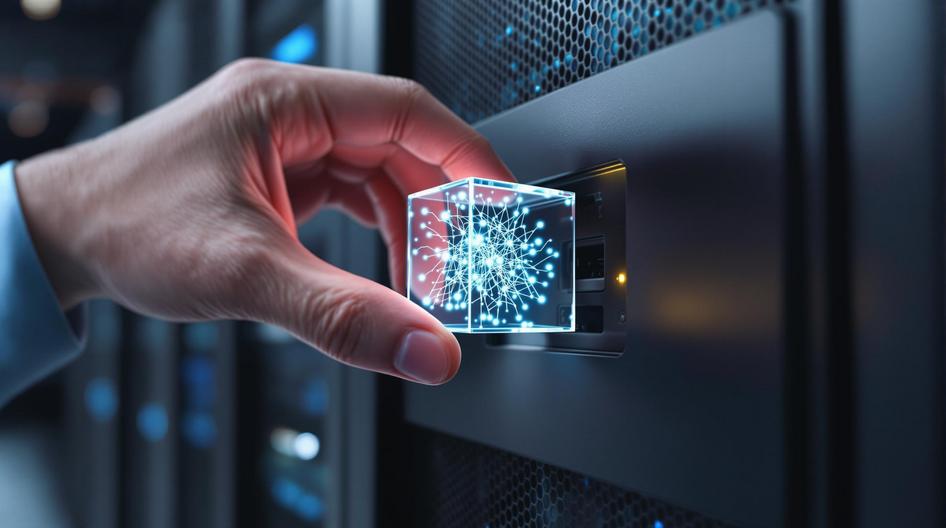
The buzz wasn’t just about faster chips or smarter algorithms. It was about integration, about making AI work in the real world. Chip makers, cloud platforms, and appliance manufacturers all seemed to be singing from the same hymn sheet: hardware isn’t back for nostalgia’s sake. It’s back because the software desperately needs it to deliver on its promises.
Nvidia Sets the Stage, Again
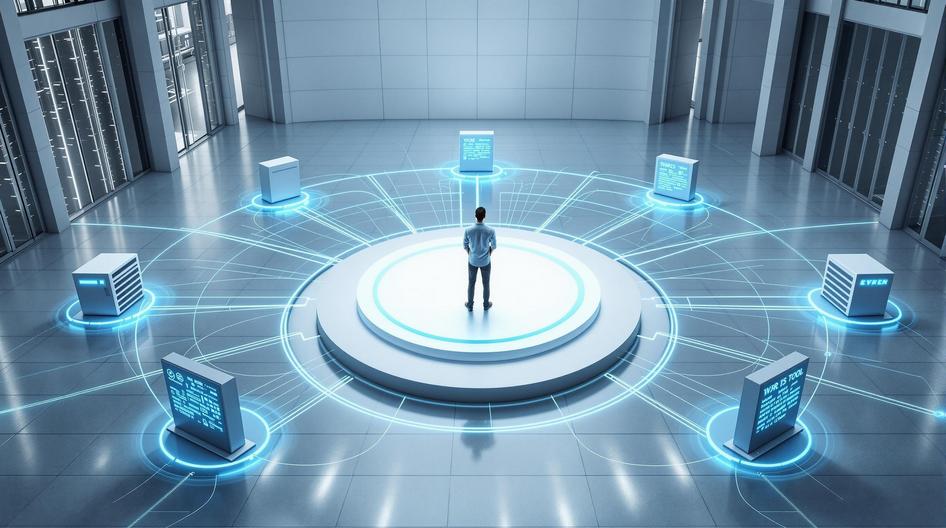
As usual, Nvidia commanded attention with a sprawling presentation that mixed genuine product launches with masterful narrative control. The company reminded everyone why GPUs remain the beating heart of large-scale AI infrastructure. But this year felt different. Beyond announcing new silicon, Nvidia doubled down on system-level thinking.
Their Alpamayo platform represents this shift perfectly. It’s not just another chip. It’s a complete self-driving architecture designed to bundle perception models, real-time mapping, and onboard compute into something an automaker or fleet operator can actually deploy. Think of it as Nvidia’s attempt to move from impressive research demos to production-ready systems that reduce integration headaches for their customers.
What does this mean for developers? It means less time wrestling with compatibility issues and more time focusing on what matters: building applications that work reliably in the real world.
The Integration Imperative
This theme of integration popped up everywhere, from AMD’s incremental but important chip improvements to Razer’s genuinely strange AI experiments. Razer’s booth, in particular, highlighted how vendors are still figuring out what people actually want from AI. Some of their demos felt like proof-of-concept theater, but that’s exactly why they mattered.
Unusual interfaces and oddball applications force the industry to think differently about how humans and machines should interact. As TechCrunch’s comprehensive CES coverage noted, these experiments, while sometimes bizarre, serve an important purpose. They push boundaries and challenge assumptions about what’s possible.
The Quiet Revolution in Memory Prices
One of the most significant announcements at CES 2026 didn’t involve robots or flashy demos. It was about memory chip prices falling. This might sound mundane compared to humanoid robots pouring drinks, but it matters enormously for anyone building AI systems.
Lower costs for high-bandwidth memory directly translate to cheaper AI servers and edge devices. This enables companies to place more computational power closer to where data is actually generated. For developers, this opens up new possibilities. Suddenly, you can run larger models with lower latency, and business cases that previously failed on cost grounds become viable again.
It’s a classic example of how supply chain dynamics quietly reshape entire industries. The implications ripple through everything from smartphone design to data center economics.
Amazon’s Platform Pivot
Amazon used CES to officially push Alexa into the chatbot era with Alexa+ and a browser-based preview at Alexa.com. This signals a strategic shift that’s worth watching closely. Voice assistants are no longer just features tethered to specific hardware like Echo speakers. They’re becoming multimodal services competing across phones, browsers, and whatever comes next.
The challenge here will be consistency and privacy. How do you maintain a coherent user experience across all these different touchpoints? And how do you handle sensitive voice data responsibly? Developers should expect increased emphasis on API controls, granular consent flows, and options for local processing to address these concerns.
This move reflects a broader trend we’re seeing in consumer AI where convenience increasingly meets scrutiny over data practices and transparency.
Robotics Gets Real (and Heavy)
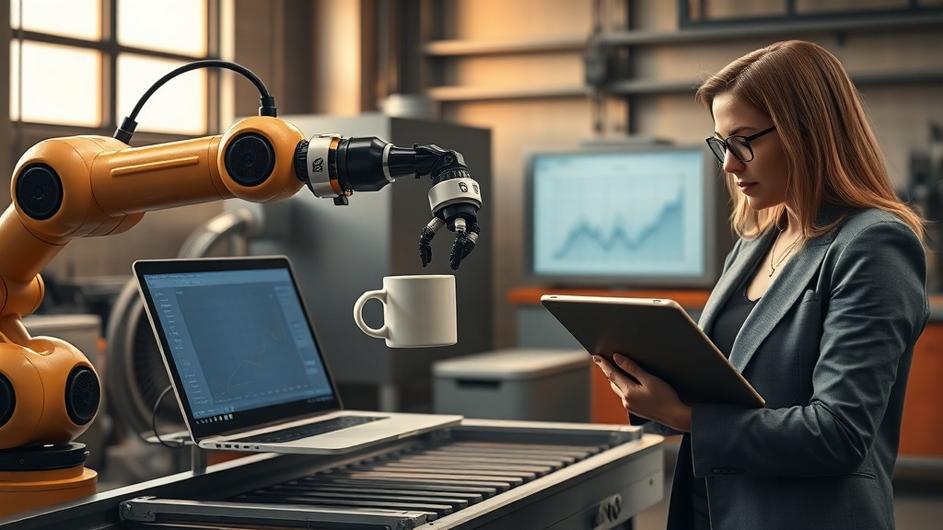
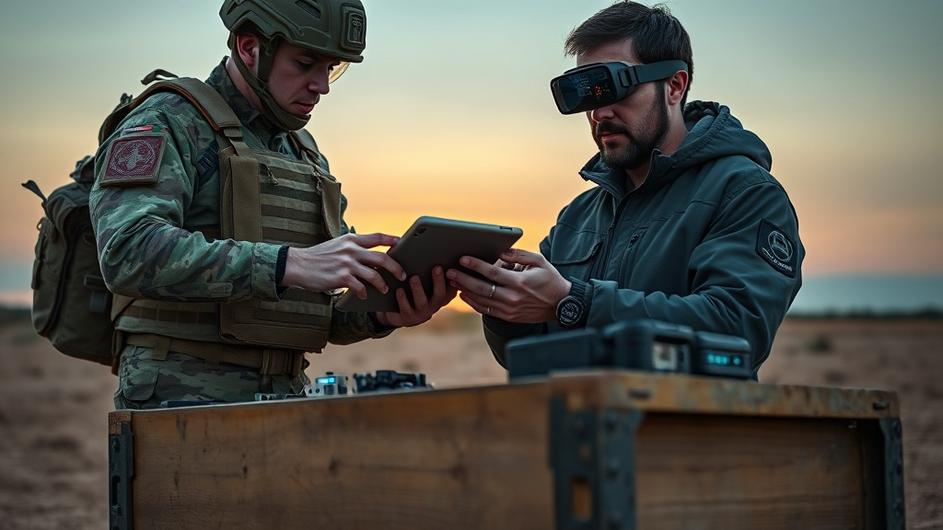
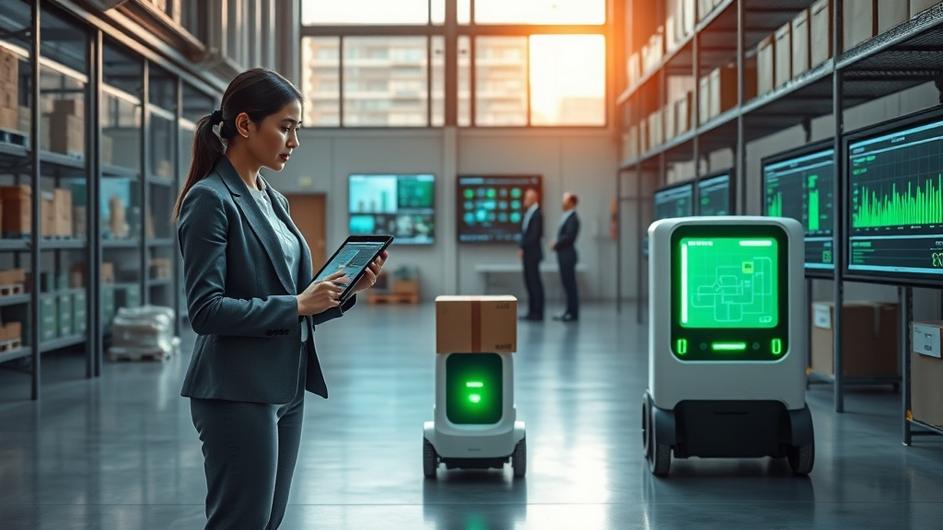
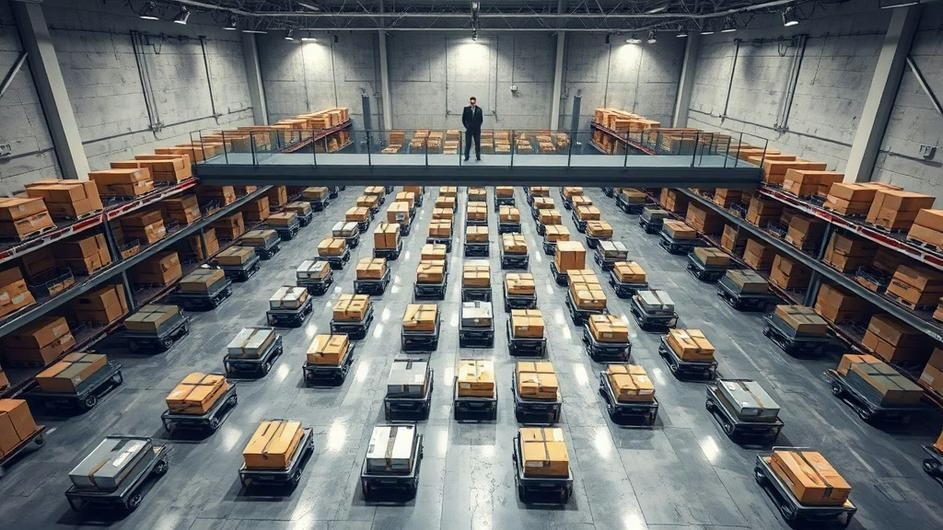
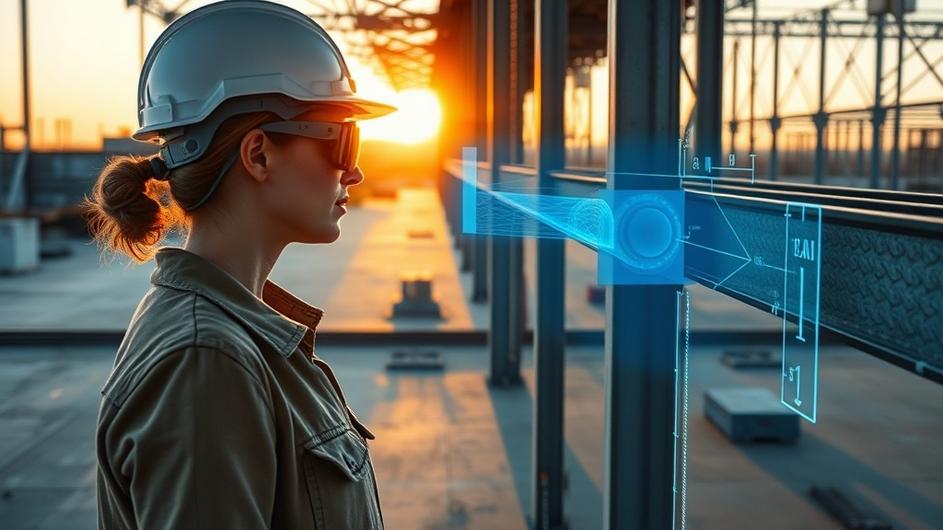
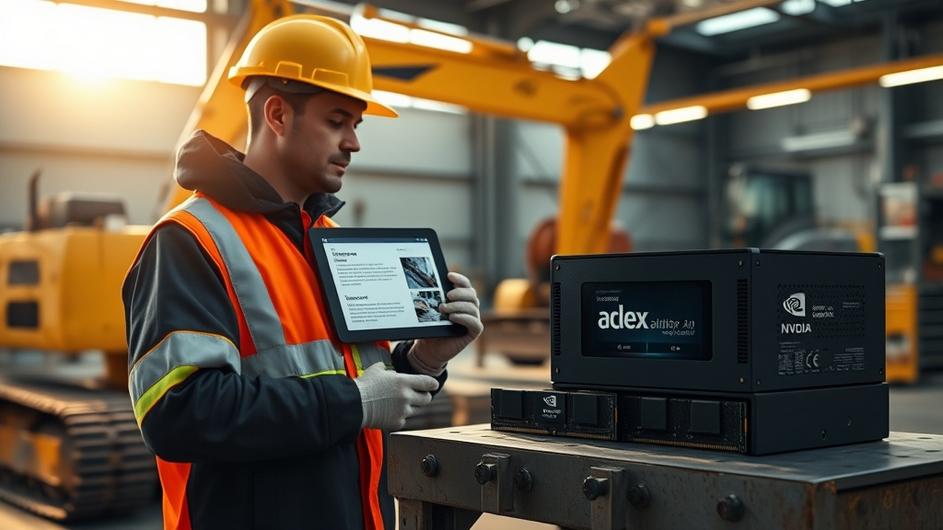
Perhaps the most telling shift at CES 2026 was seeing AI move from consumer novelty to industrial augmentation. The partnership between Caterpillar and Nvidia on a Cat AI Assistant pilot demonstrates this perfectly. Here’s AI being framed not as speculative intelligence, but as practical, on-site assistance for forklifts, excavators, and factory floors.
These industrial applications demand something different from consumer gadgets: robustness. The models need to be dependable, the telemetry reliable, and the hardware durable enough for harsh environments. This brings us full circle to why chip progress remains essential. You can’t have intelligent industrial equipment without hardware that can withstand real-world conditions.
As Michael Parekh discusses in his AI Ramblings: Episode 37, we’re witnessing a “reset to zero” moment where practical applications are taking precedence over theoretical capabilities.
New Metrics for a New Era
Underpinning many CES announcements were new performance benchmarks, some referenced by names like Vera Rubin. These metrics help customers evaluate real-world throughput and energy efficiency, which is crucial because peak FLOPS only tell part of the story.
For engineers building production systems, memory bandwidth, latency, and software stack maturity often become the limiting factors. Understanding these metrics isn’t just academic. It’s essential for making informed decisions about which hardware to deploy and how to optimize systems for specific workloads.
The Healthy Skepticism of AI Fatigue
Beneath all the announcements and demos, there was a faint but noticeable hum of AI fatigue at CES 2026. After two years of breathless claims and sometimes overhyped capabilities, attendees and buyers are asking harder questions. They want concrete ROI, predictable behavior, and proper safety guardrails.
This skepticism is actually healthy for the industry. It forces vendors to build reliable deployment pathways instead of just showcasing model demos that might collapse under production conditions. The market is maturing, and that’s a good thing for everyone involved.
Practical Takeaways for Builders
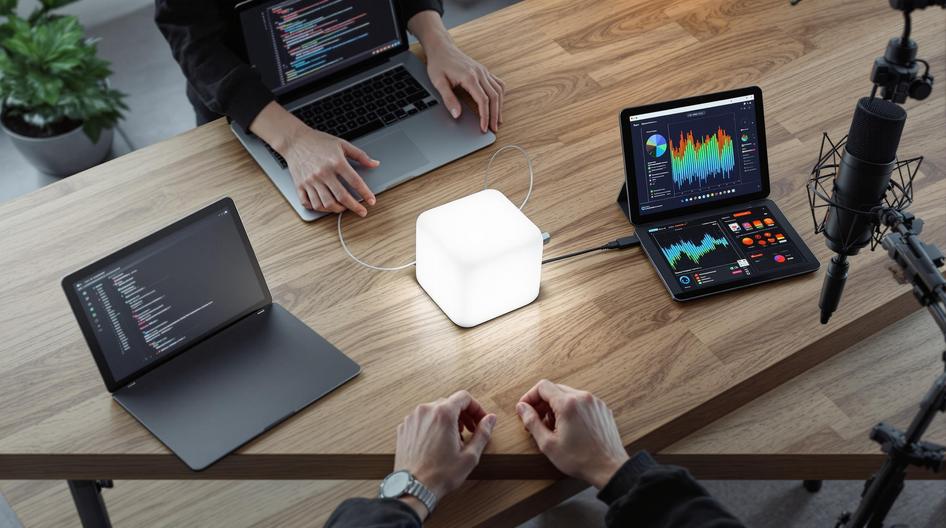
So what should developers and product leaders take away from CES 2026? The key lesson is to design for complete systems, not just individual models. This means investing in observability tools, creating test datasets that mimic real-world edge cases, and embracing hardware-software co-design from the start.
Expect more turnkey stacks from major vendors, but also more specialized components that let you optimize for specific constraints like cost, latency, or energy consumption. The era of one-size-fits-all AI solutions is giving way to more nuanced, purpose-built approaches.
This aligns with what we’re seeing in the next wave of consumer AI tools, where specialization and integration matter more than raw capability alone.
Looking Ahead: The Second Phase of AI Adoption
CES 2026 suggested we’re entering a second phase of AI adoption. The initial honeymoon period of pure algorithmic novelty is giving way to engineering rigor. This shift will likely accelerate real-world impact as the focus moves from what’s theoretically possible to what’s practically deployable.
As chips become more affordable, platforms mature, and industrial pilots multiply, we’ll see AI gradually move from impressive demos into the actual infrastructure of daily life. This transition brings both opportunities and responsibilities. The technology that once felt like magic is becoming utility, and that’s when the real work begins.
The question isn’t whether AI will transform industries. We’re past that. The question now is how we’ll build it responsibly, deploy it effectively, and integrate it seamlessly into the fabric of how we work and live. CES 2026 gave us glimpses of that future, and it looks less like science fiction and more like careful engineering meeting real human needs.
Sources
- AI Ramblings: Episode 37 – AI: Reset to Zero, Michael Parekh / AI Ramblings, Sun, 11 Jan 2026
- CES 2026: Everything revealed, from Nvidia’s debuts to AMD’s new chips to Razer’s AI oddities, TechCrunch, Fri, 09 Jan 2026
- CES 2026: The Year Physical AI Left the Lab and Started Working the Floor, Tech Daily Update
- CES 2026: When AI Steps Off the Screen and Into the World, Tech Daily Update
- Hardware Reckoning: MicroLED, AI Devices, and the New Supply Chain Shaping 2026, Tech Daily Update
- Consumer AI in 2026: Where Convenience Meets Scrutiny, Tech Daily Update
- From Chat Commerce to Live Avatars: 2026 Starts with a New Wave of Consumer AI Tools, Tech Daily Update