
From Cockpits to Wristbands, Software Is the New Hardware: What to Expect in 2026 Tech
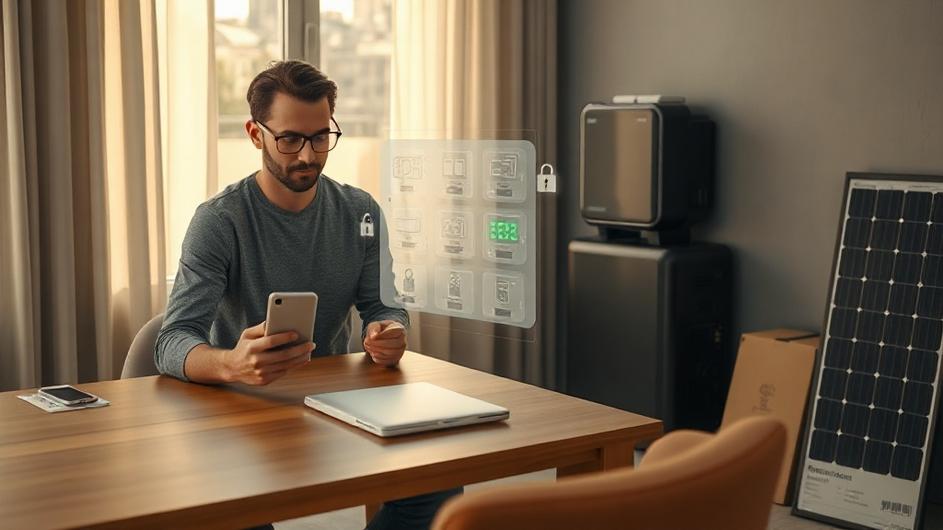
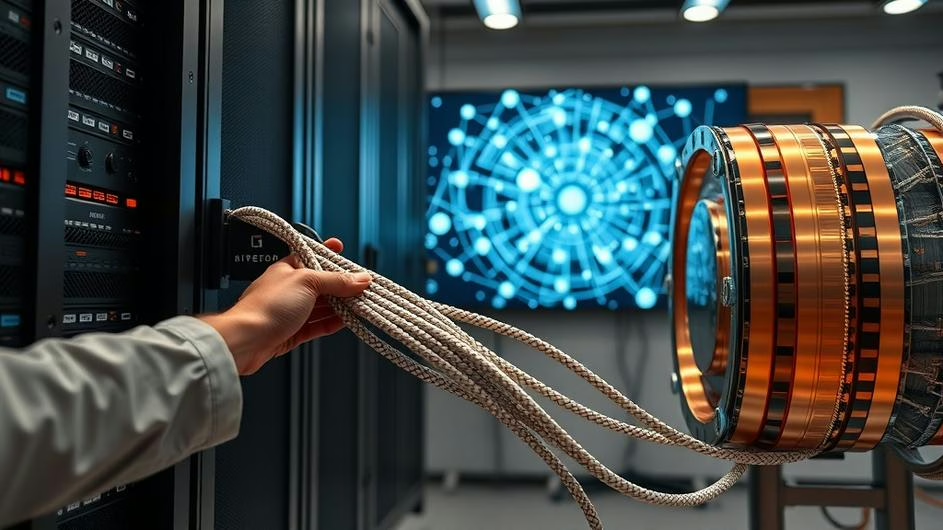
If you’re heading to CES 2026 expecting nothing but shiny new hardware, you might be missing the bigger picture. Sure, automakers will still roll out flashy prototypes, and display companies will keep chasing thinner, brighter panels. But the real story this year isn’t about what’s under the hood or behind the screen. It’s about the software that makes everything work together, intelligently adapting to our lives while navigating tight energy and privacy constraints.
For developers and tech leaders, this shift presents both opportunity and challenge. Innovation now lives in code and models, not just circuits and casings. But that software has to deliver real value while respecting boundaries that matter more than ever.
The Car as a Software Platform
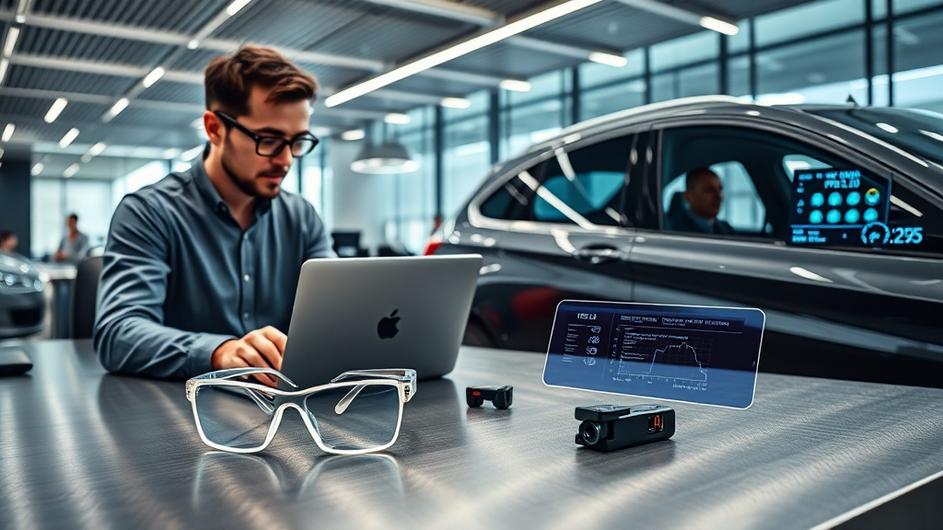
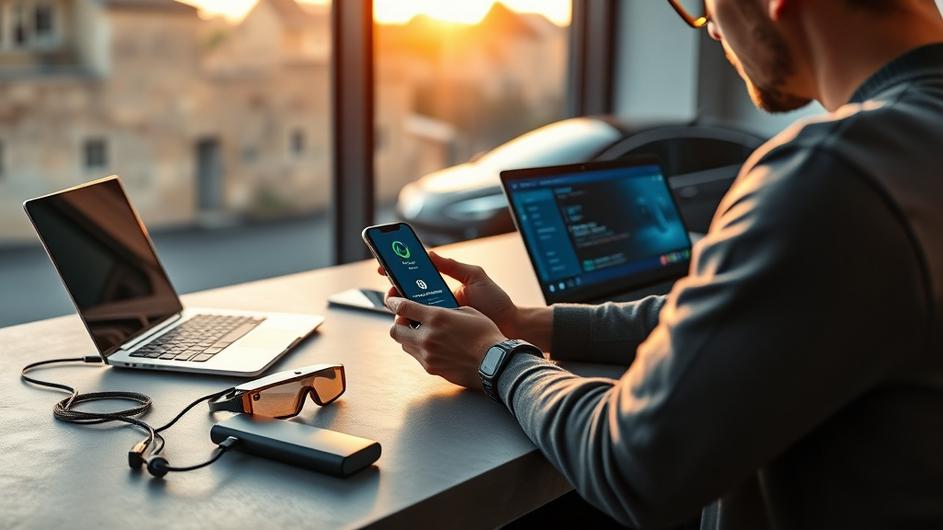
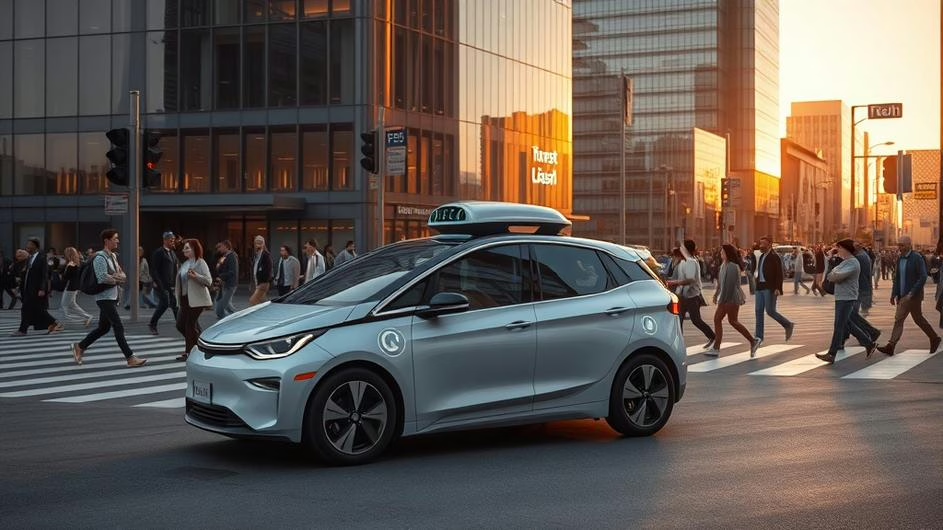
Take automotive, for instance. CES used to be about horsepower and sheet metal. Now it’s shifting toward adaptive AI systems that think ahead. We’re talking about vehicles that don’t just follow fixed routes, but plan them dynamically, factoring in real time traffic and energy consumption to extend electric range. Driver assistance features are learning to adjust to individual habits and environmental conditions, potentially reducing those annoying false alerts.
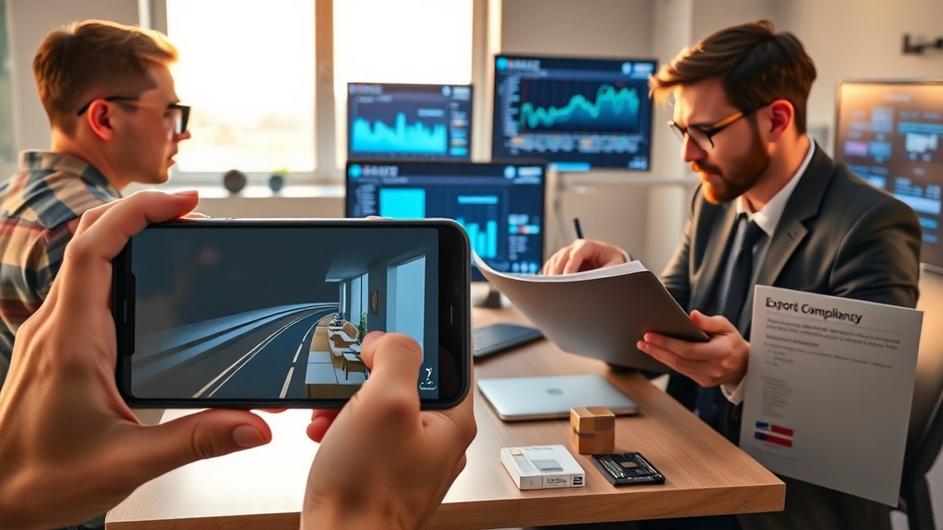
But here’s the catch. When these systems adapt in real time, how do engineers prove they’ll behave correctly in novel situations? As Mashable’s CES preview notes, the car trends for 2026 are less about raw specs and more about intelligent systems that make driving safer and more efficient. The validation challenge is real, and it’s pushing automakers to develop new testing paradigms that blend simulation with real world data.
Personal Devices Get Smarter, More Flexible
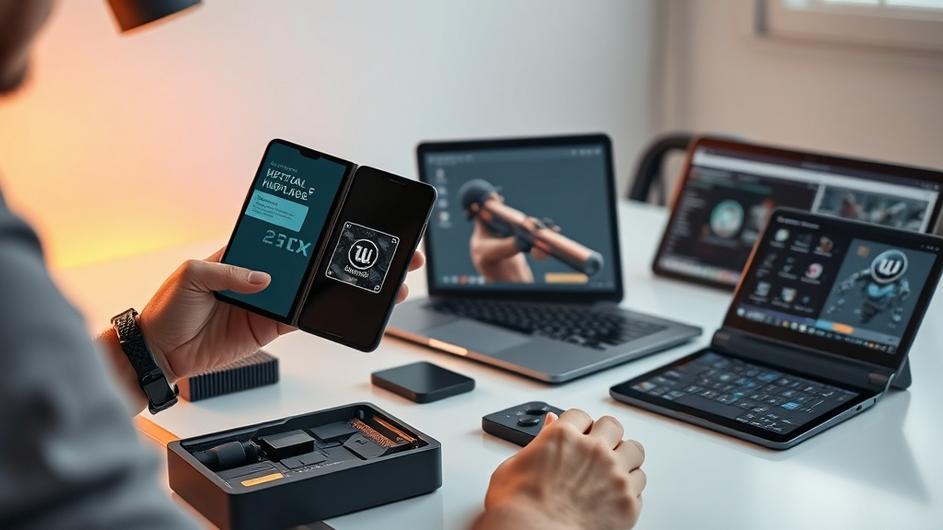
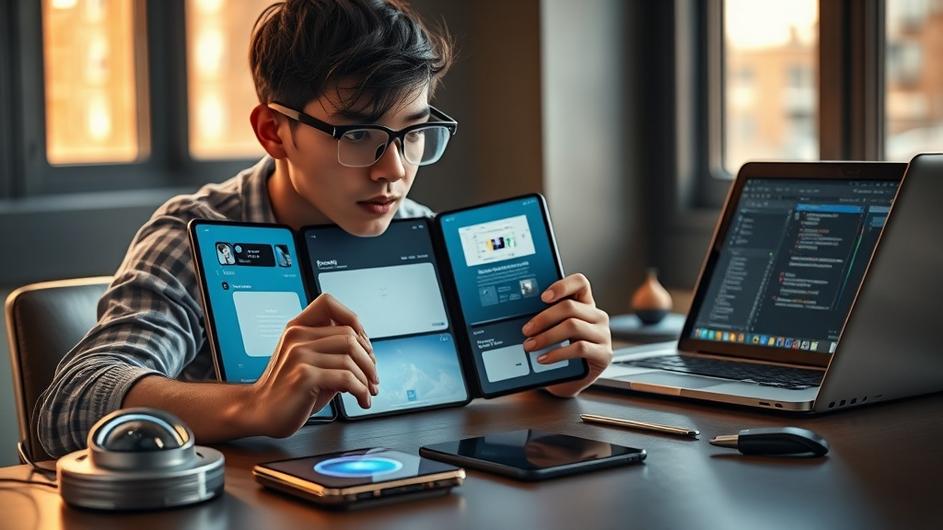
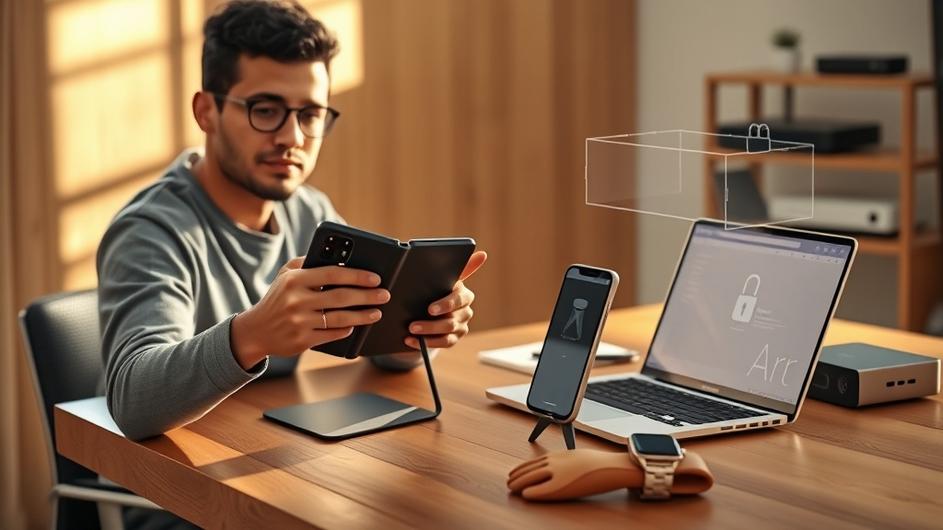
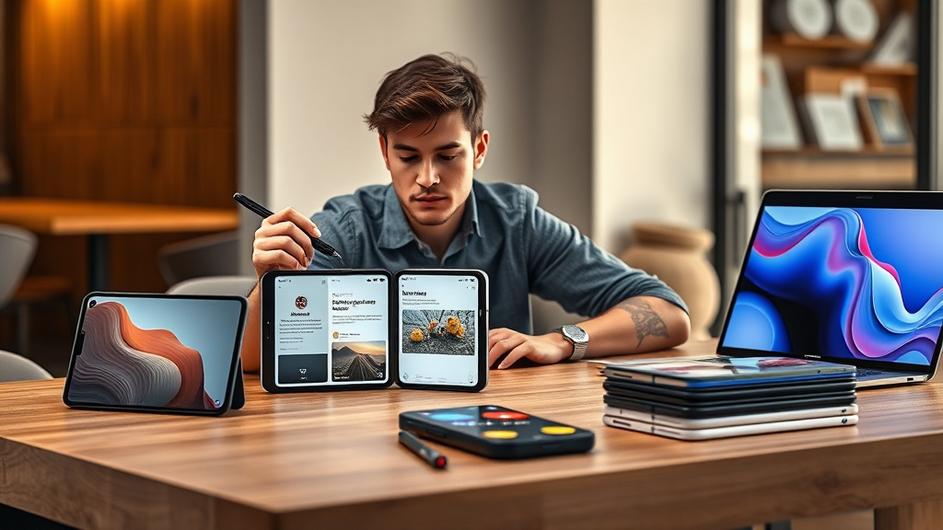
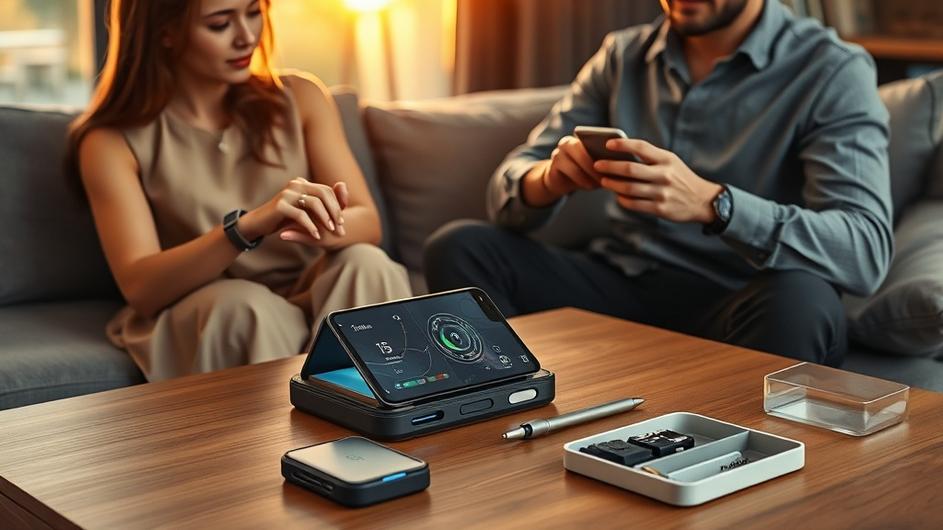
The same software first mindset is reshaping what’s in our pockets and on our faces. The folding phone conversation is back with a vengeance, with industry whispers suggesting major manufacturers will ship new foldable form factors in 2026. A screen that bends changes everything about how we interact with apps, forcing developers to rethink responsive layouts and state management. The Wall Street Journal’s tech columnists are already predicting that foldable designs could become mainstream sooner than many expect.
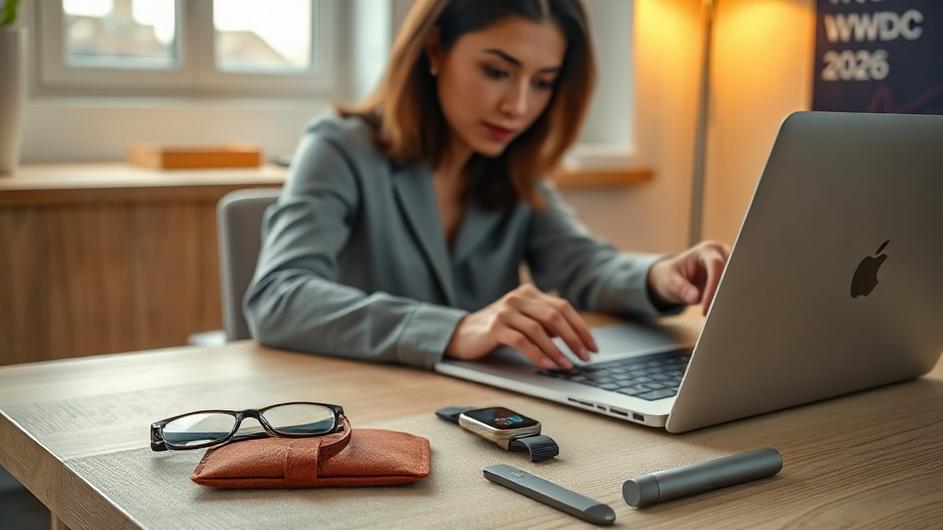
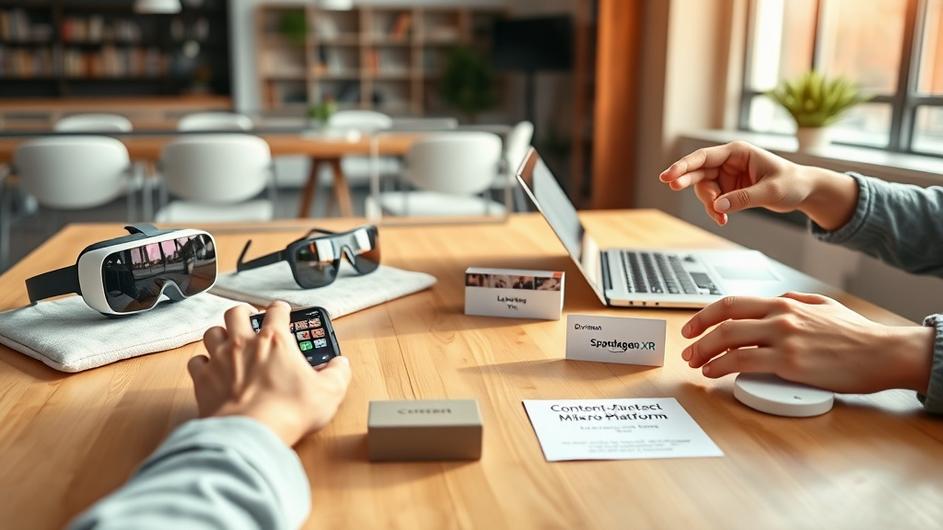
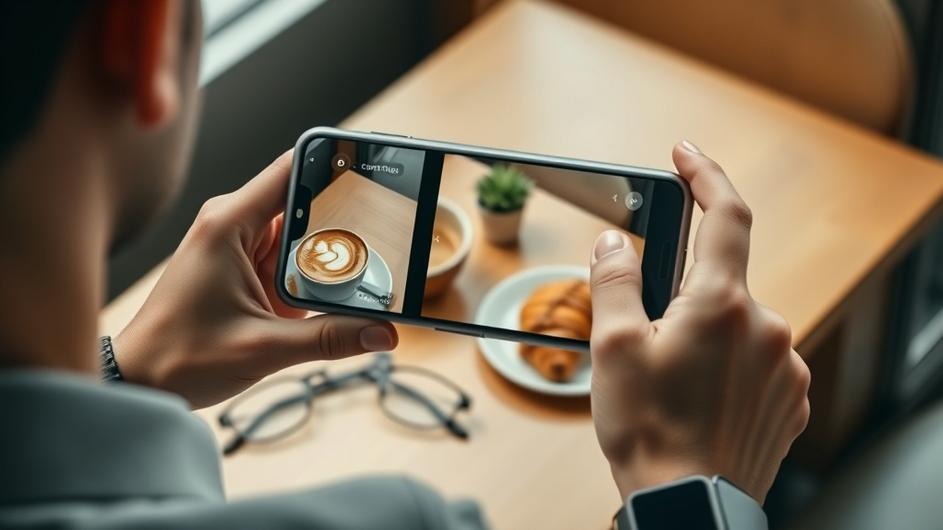
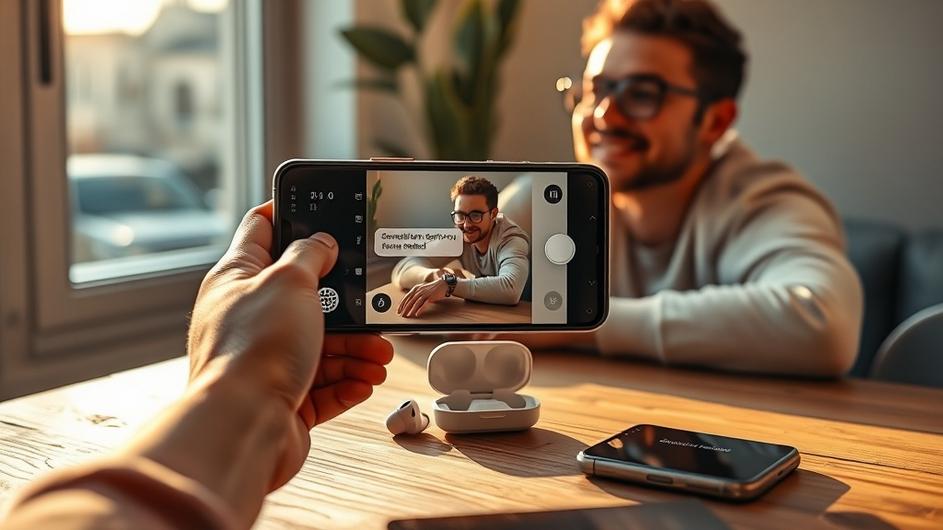
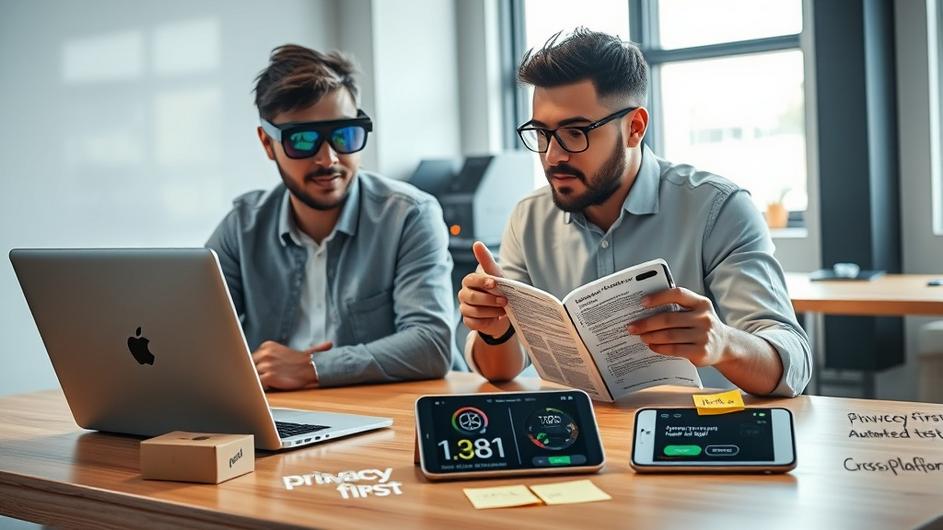
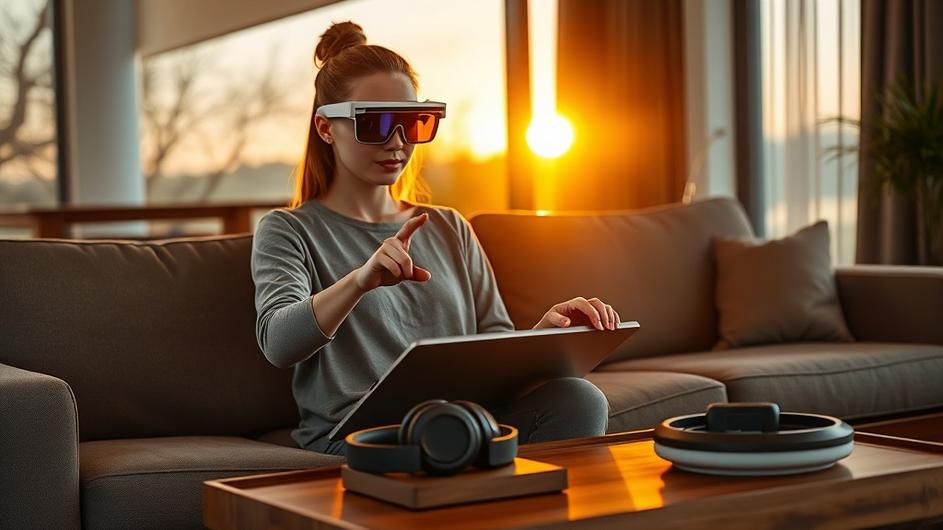
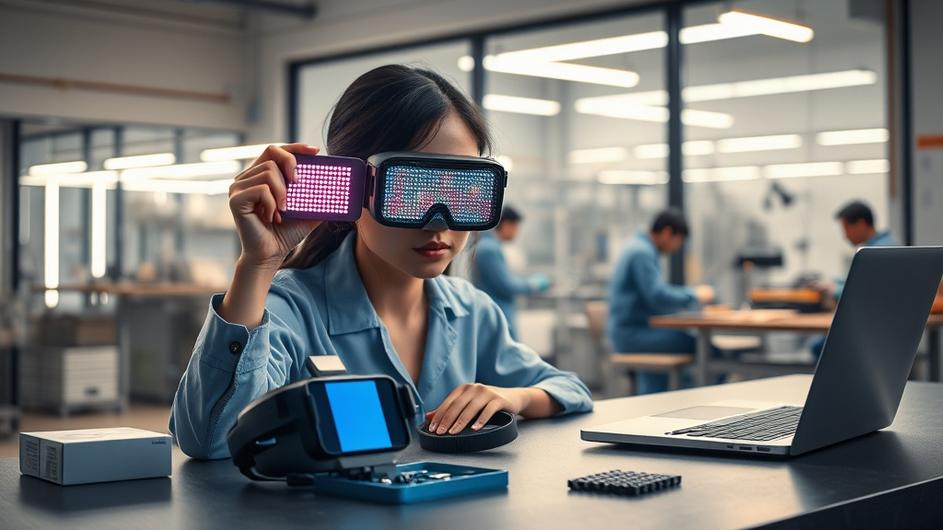
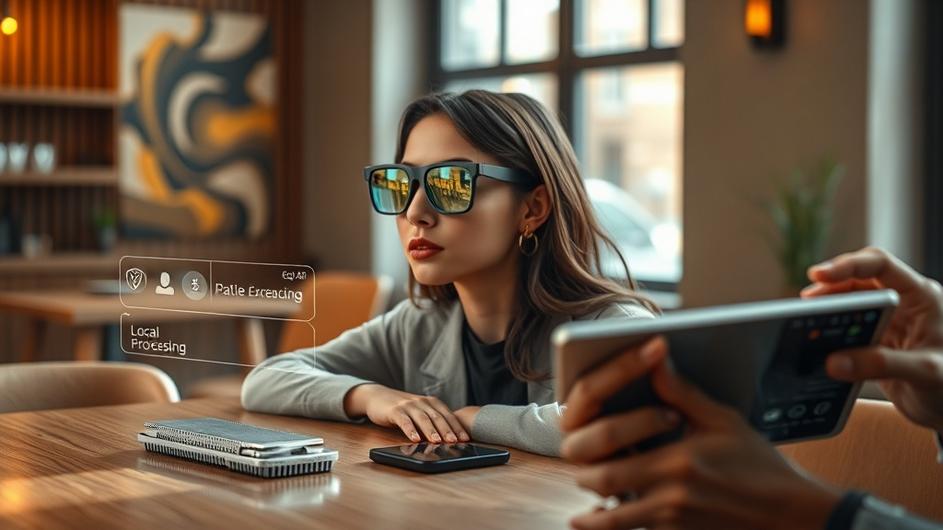
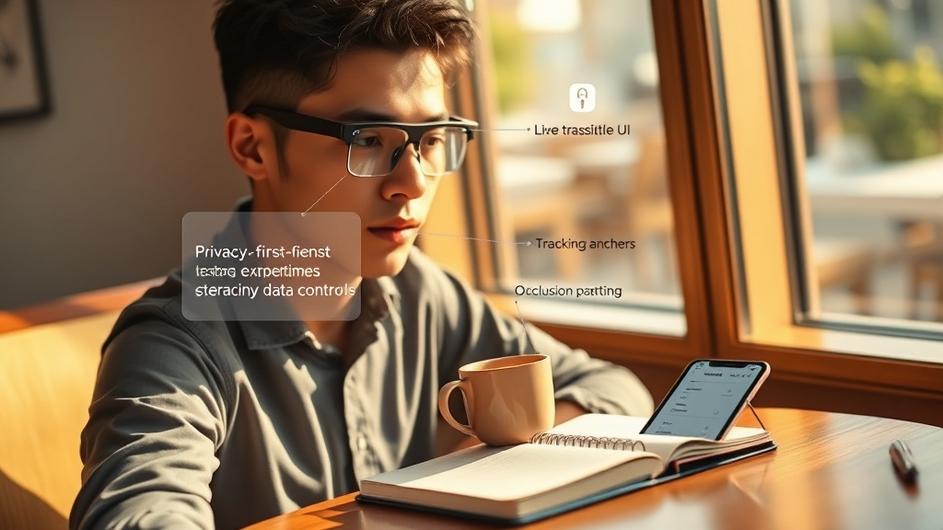
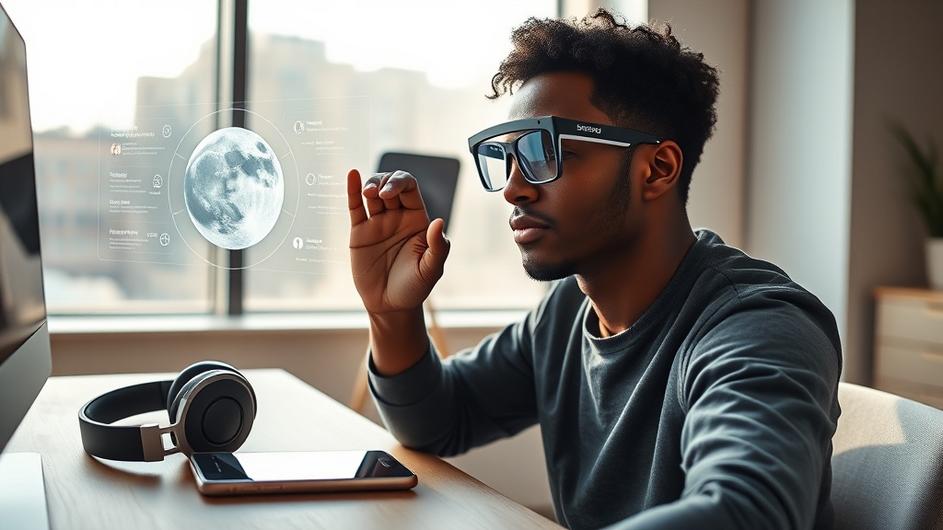
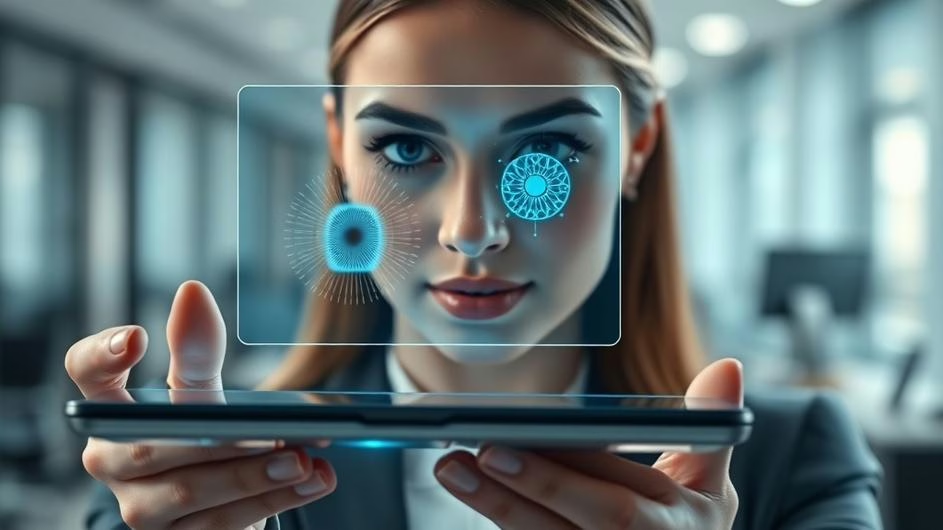
Meanwhile, smart glasses are graduating from novelty to practical tool. We’re seeing hands free assistance, live translation, and augmented reality overlays that can map facial features and contextual information. These aren’t just consumer conveniences. They’re entirely new platforms with distinct privacy implications and UX patterns that developers are still figuring out. If you want to understand how this space is evolving, check out our analysis of how AR glasses, AI chips, and privacy debates will redraw consumer tech in 2026.
Wearables Become Edge Intelligence Hubs
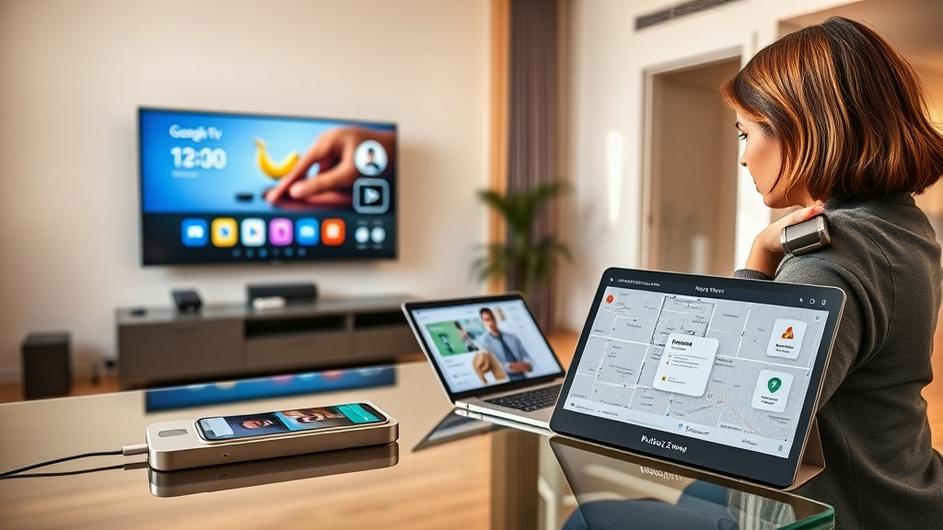
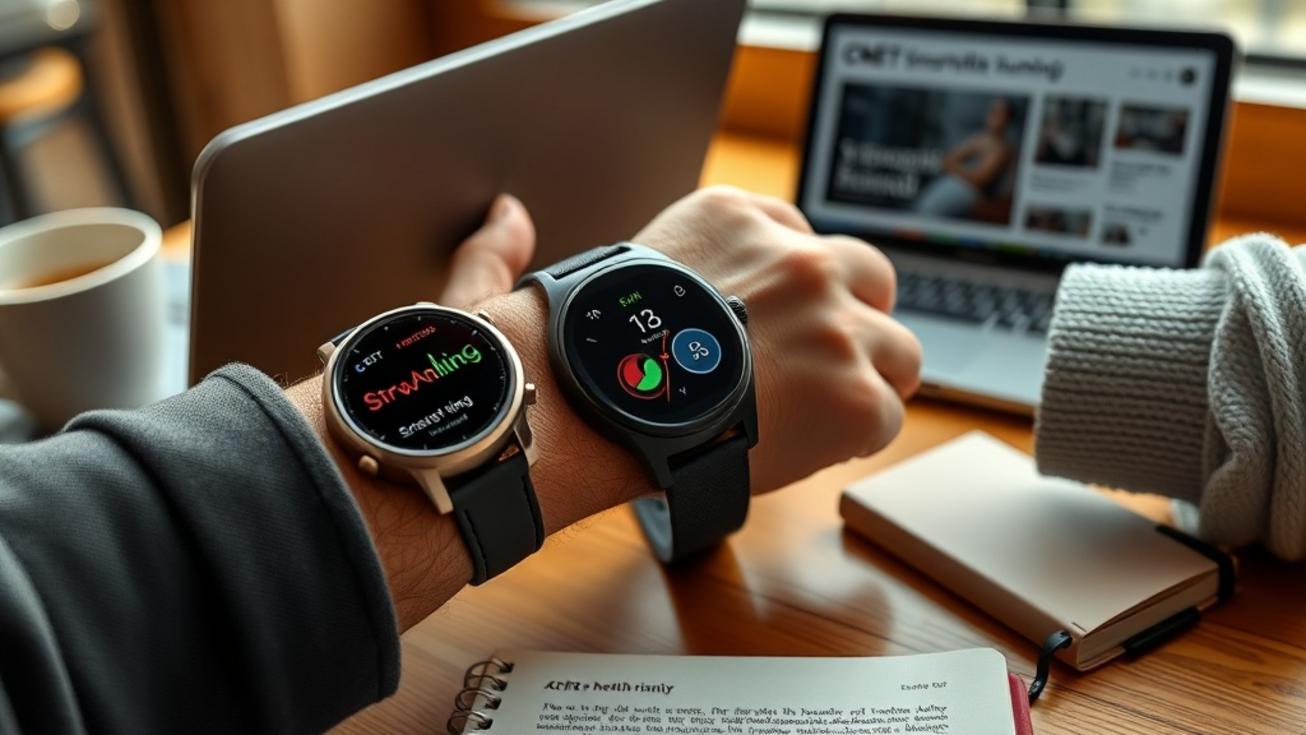
Your wrist is getting smarter too. Smartwatches have moved way beyond simple notification hubs. They’re now sensor rich edge devices capable of running local machine learning models for health metrics and contextual alerts. Expect the market to split further between budget models that prioritize battery life and flagship devices that trade power for on device AI features.
For developers, this means designing applications that gracefully scale across devices with wildly different compute and power budgets. CNET’s recent smartwatch roundup highlights how the best devices are balancing hardware capabilities with intelligent software features. The trend toward wearables and AI signaling a new era for personal tech is accelerating, creating opportunities for health monitoring, fitness tracking, and even crypto integration that works seamlessly on the go.
Displays That Disappear Into Your Life
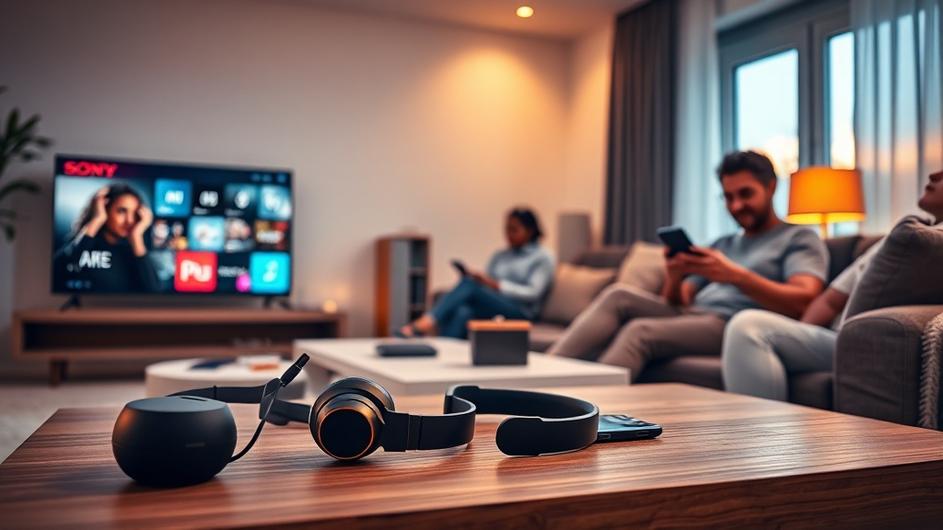
On the home entertainment front, display innovation continues, but with a content first twist. Recent leaks about next generation OLED lineups show manufacturers trying to blend hardware elegance with software driven experiences. Wallpaper style TVs and gallery models aim to make the screen an ambient part of your home, while giving software teams space to deliver curated content, art modes, and intelligent low power display strategies.
As VideoCardz reported on LG’s 2026 OLED lineup leaks, the G6 Gallery and W6 Wallpaper models represent a shift toward displays that serve multiple purposes throughout the day. The hardware still matters, but it’s the software experience and content pipelines that will determine which brands win in the living room.
The Hardware That Makes It All Possible
Underneath all this intelligent software sits a complex hardware and supply story. New silicon plays and strategic partnerships will shape who controls the AI stack. Deals and consolidation among GPU and AI accelerator vendors matter because the economics of training and running models determine what features are actually viable on consumer devices.
At the same time, memory price swings and component shortages can quickly change design tradeoffs, pushing teams to be more efficient with model size. Techniques like model quantization, pruning, and smart cloud offloading become essential tools in the developer’s kit. The race for AI supremacy that reset the competitive landscape in 2025 continues to influence hardware decisions at every level.
Not Everything Survives
Let’s be real. Not every bright idea makes it. The past year taught us that many products and categories don’t endure, and 2026 will be another year of pruning. Some experimental formats will get quietly discontinued, while others will be refined into platforms that actually matter. That’s actually healthy. It shifts resources from speculative hardware experiments to software investments that impact daily life.
As CNET’s retrospective on tech that died in 2025 shows, the market has little patience for gadgets that don’t deliver real value. The survivors tend to be those that solve genuine problems with elegant software, not just flashy hardware. This Darwinian process reflects the broader shift we’ve seen in how design, AI, and new form factors rewrote the hardware playbook last year.
Technical Realities That Can’t Be Ignored
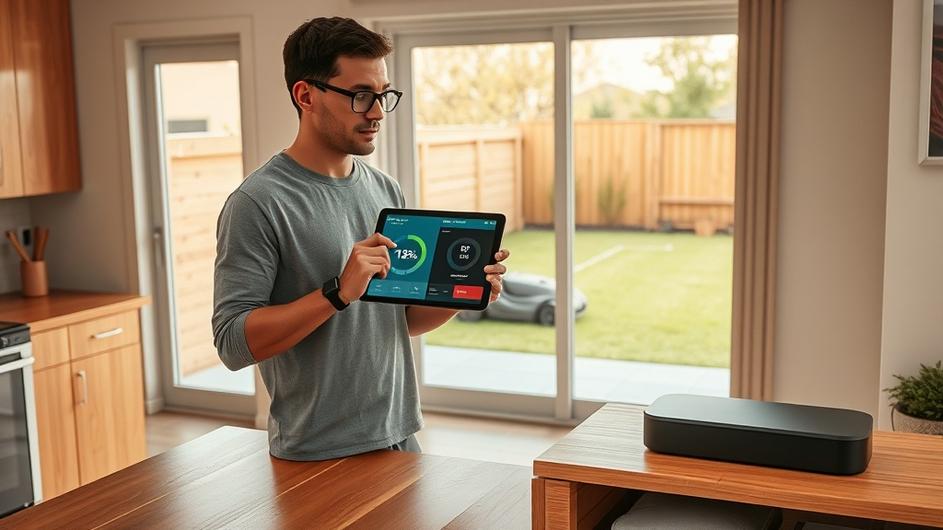
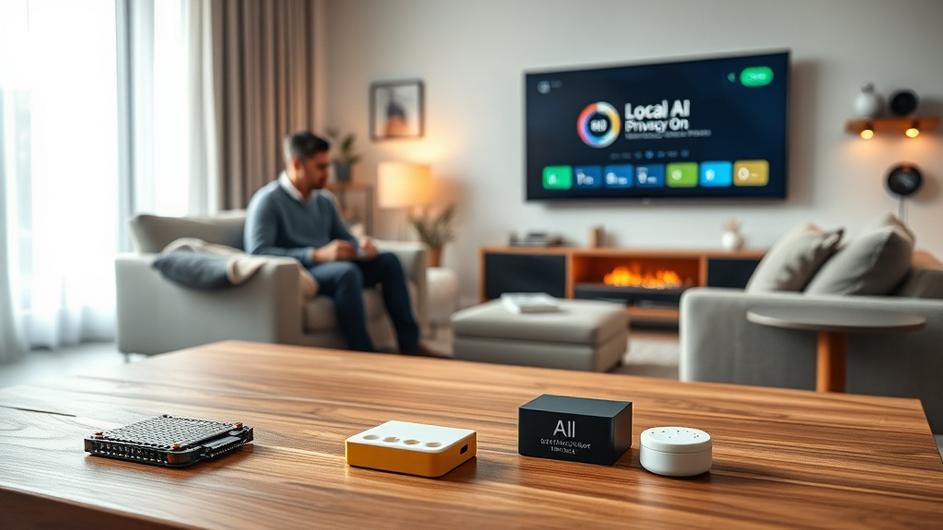
Several hard technical truths will shape how these trends play out. First, latency and energy constraints favor hybrid architectures. Some inference happens locally on device, while heavier tasks run on cloud infrastructure. Developers need to plan for graceful degradation when connectivity is limited.
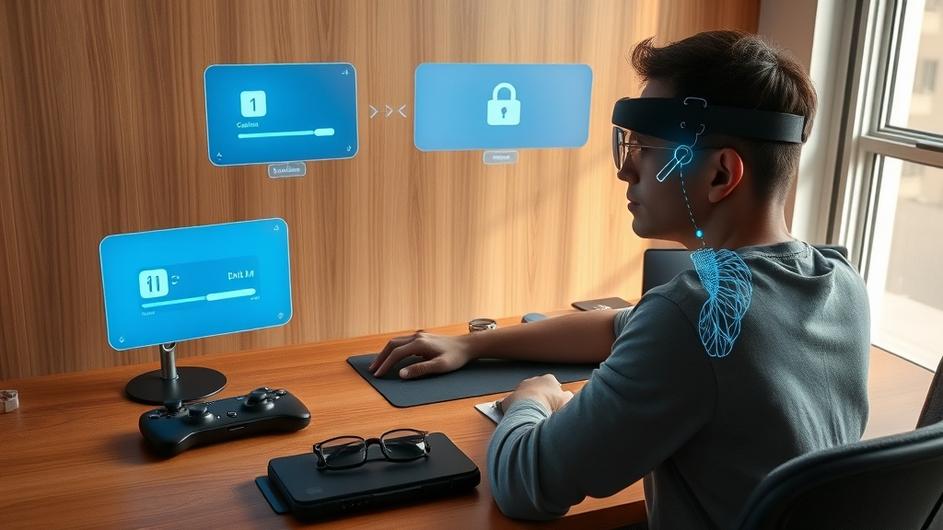
Second, privacy and regulation concerns are rising fast. Features like live translation and face mapping are powerful, but they demand transparent data handling, clear user consent, and secure on device processing whenever possible. Third, verification and safety are non negotiable. Adaptive systems, whether in driver assistance or wearable health algorithms, require new testing paradigms that blend simulation, real world telemetry, and interpretability tools.
Navigating the Hype Cycle
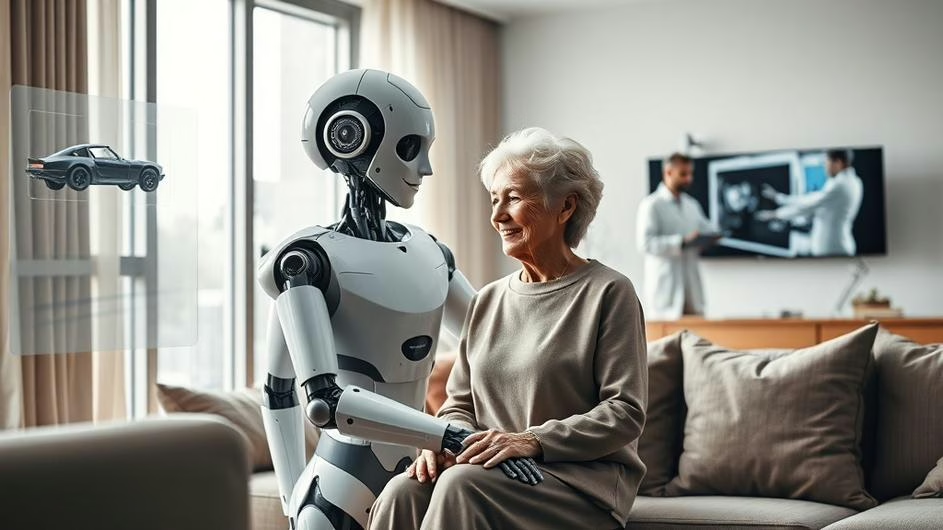
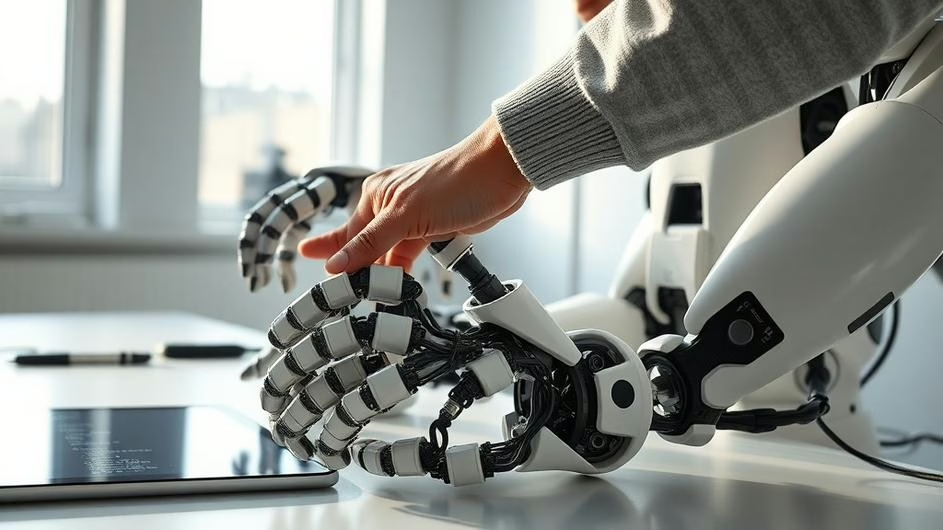
There’s always an element of spectacle to navigate. Humanoid robots and brain interface research capture imaginations, and we’ll see more demos exploring these frontiers. Some will represent meaningful steps forward, while others will be overpromises. The useful stance for technologists is curious skepticism. Follow the underlying engineering, the reproducible results, and the business cases that justify continued investment.
For engineers and product leaders, the practical playbook for 2026 is becoming clear. Design for modularity. Separate model concerns from UI concerns. Build robust fallbacks. Optimize relentlessly for energy and bandwidth. Instrument everything aggressively so models can be monitored and iterated after deployment. Invest in privacy preserving techniques and crystal clear user controls.
Most importantly, expect to collaborate across traditional product silos. A modern car, watch, or pair of glasses is as much a software platform as it is hardware. The interdisciplinary nature of this work reflects what we’ve learned from the new AR reset and why 2025 rewrote the hardware playbook.
The Bottom Line for 2026
Taken together, the tech landscape for 2026 looks like a convergence around intelligent, context aware software that rides atop specialized hardware. The most successful products won’t be those with the fanciest panels or largest batteries. They’ll be the ones that quietly orchestrate data, adapt to users, and respect limits imposed by energy and privacy.
That’s actually good news for developers. It means there will be demand for craftsmanship in systems design, model efficiency, and thoughtful user experience. It also means the next breakthroughs will be interdisciplinary, requiring partnerships between hardware engineers, ML practitioners, UX designers, and safety experts.
Looking ahead, this shift will reshape entire industries. Transportation becomes a software defined service. Wearables evolve into trusted personal agents. Displays act as ambient surfaces for intelligent content. The work for 2026 isn’t glamorous. It’s foundational. Get the software right, and the hardware will finally start to feel seamless.
Sources
The top car trends to expect at CES 2026, Mashable, Dec 30 2025
Our Tech Columnists’ Annual Predictions: Folding iPhones, Mind Reading Tech, EV Supercars, The Wall Street Journal, Dec 28 2025
5 Smartwatches Worth Buying This Year, CNET, Dec 29 2025
RIP to the Tech That Died in 2025, CNET, Dec 30 2025
LG’s 2026 OLED lineup leaks: G6 Gallery, and W6 Wallpaper details surface, VideoCardz.com, Dec 27 2025