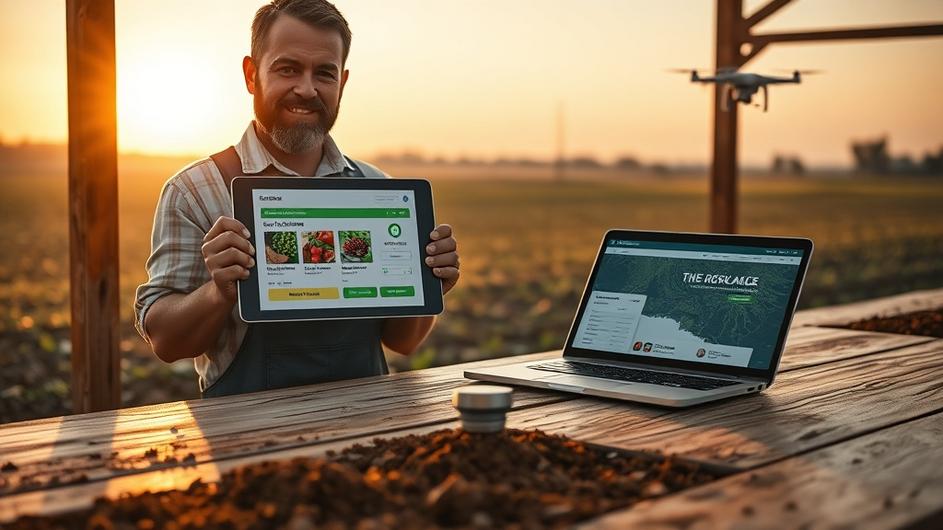
When Ads Meet Agro Risk: How AI and Commerce Media Are Rewiring Insurance and Farming
Here’s something you probably didn’t see coming. Two tech stories that seem worlds apart, advertising and farm insurance, are starting to look like they’re reading from the same playbook. On one side, 2025 saw commerce media hit its stride, with giants like Amazon, Instacart, TikTok, and Google rolling out new ad products and AI tools that fundamentally changed how brands connect with buyers. On the other, market research points to a quiet revolution in agriculture reinsurance, driven by data analytics and emerging AI applications in everything from crop monitoring to animal health.
What’s the connection? For developers, data scientists, and product teams building the next generation of risk tools and commerce platforms, this intersection isn’t just interesting, it’s where the next big opportunities are hiding.
The Commerce Media Moment: New Channels, Better Signals
Let’s talk about what’s happening in advertising first. The commerce media push in 2025 wasn’t just about more ads, it was about smarter targeting. Retailers and platforms started packaging their first-party customer data, inventory context, and real purchase intent into ad products that let brands reach shoppers right at the point of decision. Google rolled out AI-powered search ad features just in time for the holiday rush, while major retailers experimented with formats designed to close the gap between browsing and buying.
Partnerships like the one between Instacart and TikTok showed how social discovery could fuse with on-demand grocery, creating audiences that weren’t just interested, but ready to act. This shift toward what some are calling “actionable audiences” represents a fundamental change in how advertising works.
But here’s the question that matters for tech builders: why should anyone working on insurance systems care about advertising trends? The answer’s simpler than you might think. Both industries run on the same raw material, data, and they’re building on a shared set of capabilities, machine learning, edge sensing, and identity resolution. The proliferation of rich, privacy-forward commerce signals opens up entirely new possibilities for risk modeling and distribution.
Imagine insurance offers embedded right at checkout for farm supplies, or livestock coverage marketed through channels where agribusinesses already transact. These aren’t science fiction scenarios, they’re product opportunities enabled by the same commerce media networks and platform partnerships that are reshaping retail advertising.
The Quiet Revolution in Agriculture Reinsurance
Now let’s look at what’s happening on the farm insurance side. Market analyses released in 2025 show a broadening product slate, from managed crop hail and multi-peril crop insurance to livestock, bloodstock, and forestry coverage, with industry forecasts stretching all the way to 2034. The real story here isn’t just more products, it’s better technology.
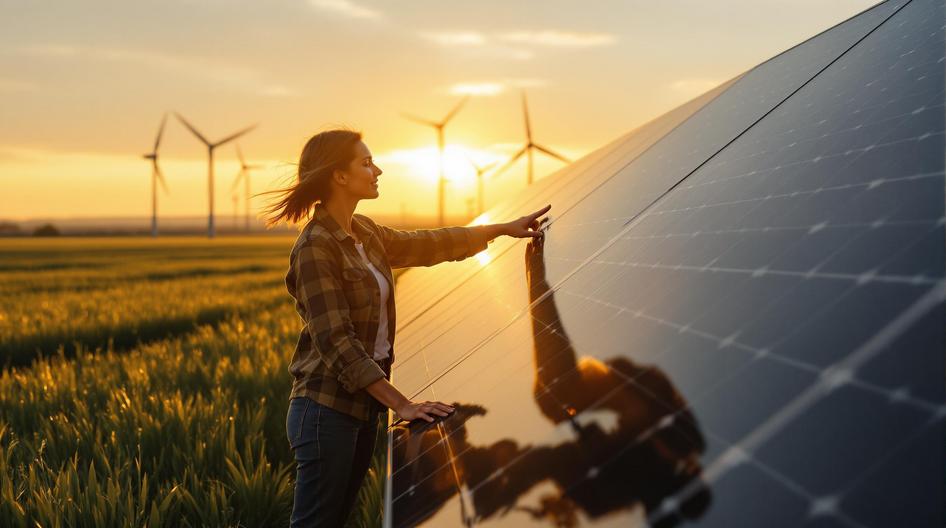
Insurers and reinsurers are adopting high-resolution satellite imagery, IoT sensors, and AI-driven diagnostics to monitor crop health and animal conditions in near real time. AI in animal health is emerging across diagnostics, tracking, and monitoring, and these capabilities are tackling the classic problem that makes agricultural risks so hard to price, information asymmetry.
According to recent agriculture reinsurance market analysis, the sector is particularly sensitive to improvements in data and modeling. Better situational awareness means reinsurers can underwrite more precisely, and they can structure products that respond faster after a loss. Parametric coverage, which pays out based on objective measurements like rainfall or vegetation indices instead of waiting for claims submission, benefits directly from more reliable sensors and models.
For developers, that translates to growing demand for robust data pipelines, model explainability, and integrations that span everything from satellites and edge devices to transaction platforms. It’s a technical challenge that’s creating opportunities for teams that can bridge these different data worlds.
Where These Worlds Collide: Practical Implications
So what happens when commerce media meets agricultural reinsurance? The practical implications are where things get really interesting for product and tech teams.
Distribution becomes more frictionless. Embedded insurance at the point of sale, powered by commerce APIs, can make agricultural policies accessible to smaller farmers who previously had no convenient channel to buy coverage. Think about it, a farmer buying seed or equipment online could get a tailored insurance offer right there in the checkout flow, no separate application needed.
Targeting improves dramatically. Retailer and platform audiences let insurers tailor offers to farms with certain crops, equipment, or purchase histories. This isn’t just about better marketing, it’s about matching the right coverage to the right risk profile, which benefits everyone involved.
Verification and loss assessment accelerate. When insurers can cross-reference purchases, sensor data, and delivery logs, claims processes that used to take weeks can shrink to days, or even hours. This speed matters, especially for farmers dealing with time-sensitive losses.
These opportunities align with what we’re seeing in other sectors where edge AI and connected intelligence are creating new business models. The technical infrastructure needed to support these converged systems isn’t fundamentally different from what’s powering other digital transformations.

The Caveats and Challenges
Of course, this opportunity comes with its share of caveats. Privacy rules and the need for customer consent will shape how commerce data flows into insurance systems. Model robustness under climate extremes remains a research frontier that teams will need to navigate carefully.
Aligning incentives across platforms, insurers, and reinsurers requires clear contracts and standardized data schemas, areas where engineers and product managers will need to take the lead. There’s also the question of trust, how do you build systems that farmers, regulators, and insurers all feel confident using?
These challenges aren’t unique to agriculture. Similar issues are playing out across the Web3 and fintech landscape, where trust, transparency, and technical reliability are becoming competitive advantages.
Looking Ahead: The Orchestration Challenge
The most interesting battleground in the coming years will be orchestration. Companies that can stitch together commerce signals, edge telemetry, and transparent AI models into reliable insurance products will unlock markets that have been difficult to serve until now.
Developers should expect growing demand for systems that handle heterogeneous data, support explainable models for regulators and customers, and enable low-friction embedded sales experiences. The technical stack for this convergence looks a lot like what’s emerging in other AI agent and automation platforms, with an added layer of domain-specific complexity.
What’s particularly interesting is how these shifts do more than just open commercial opportunities, they reshape risk management itself. As commerce media matures and AI proliferates into animal health and crop monitoring, the industry is moving toward faster, fairer, and more accessible insurance.
For tech teams, that means building bridges between adtech, retail APIs, and risk platforms, and doing so with a pragmatic focus on trust, privacy, and operational resilience. The next decade will reward teams that combine domain knowledge with engineering rigor, and that can turn the flood of commerce and sensor data into meaningful reductions in agricultural vulnerability.
What This Means for Different Stakeholders
| Stakeholder | Implications |
|---|---|
| Developers | Growing demand for systems that integrate commerce APIs, sensor data, and insurance platforms. Skills in data pipelines, model explainability, and privacy-preserving tech will be valuable. |
| Farmers | More accessible insurance products, faster claims processing, and coverage tailored to specific needs and risks. |
| Insurers | New distribution channels, better risk assessment through richer data, and opportunities to serve previously underserved markets. |
| Platforms | Additional revenue streams through embedded insurance, deeper engagement with business customers, and new data partnerships. |
The convergence we’re seeing isn’t happening in isolation. It’s part of a broader trend toward digital twins and real-world data integration that’s transforming multiple industries simultaneously. What makes agriculture insurance particularly interesting is how it combines cutting-edge tech with one of humanity’s oldest economic activities.
As these trends continue to develop, the teams that succeed will be those that can navigate both the technical complexity and the human factors. Building systems that farmers trust, that regulators understand, and that actually reduce risk rather than just measuring it, that’s the real challenge ahead.
For now, keep an eye on the partnerships forming between commerce platforms and insurance providers. Watch how AI applications in agriculture continue to evolve. And most importantly, think about how the skills and systems you’re building today might apply to this unexpected but increasingly important intersection of ads and agro risk.
Sources
- Agriculture Reinsurance Market Current Scenario with Future Aspect Analysis, openPR.com, Fri, 19 Dec 2025
- The Biggest Commerce Stories of 2025, From Amazon’s New Ad Pitch to Instacart’s Deal With TikTok, ADWEEK, Fri, 19 Dec 2025