
From Data Centers to Vibe Coding, How 2025’s AI Surge Is Rewriting Software and Infrastructure
The Dual Revolution Nobody Saw Coming
If you’ve been tracking tech trends lately, you’ve probably noticed something interesting happening. The AI boom isn’t just about smarter chatbots or better image generators anymore. It’s splitting into two distinct but connected revolutions that are reshaping everything from how we build data centers to who gets to call themselves a software developer.
On one side, there’s the physical infrastructure race. On the other, there’s a fundamental shift in how software gets created. Together, these changes are rewriting the rules for investors, developers, and companies trying to stay competitive.
The Infrastructure Gold Rush
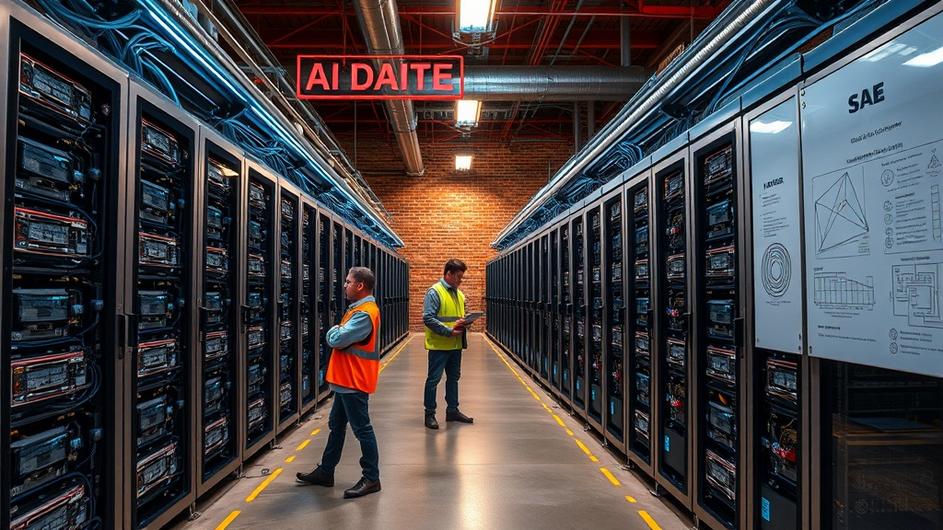
Let’s talk numbers for a second. According to S&P Global Market Intelligence, global data center dealmaking hit nearly $61 billion through November 2025. That’s a record high, and it tells us something important about where the money’s flowing.
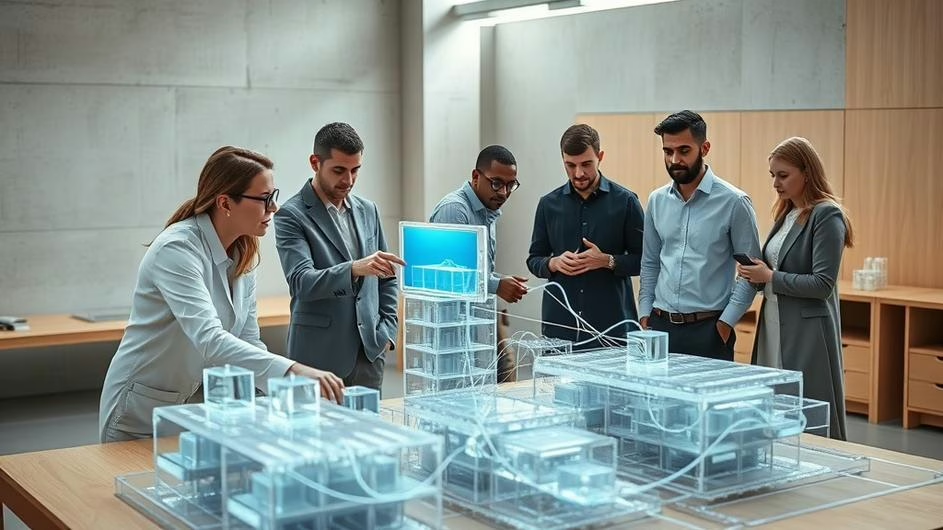
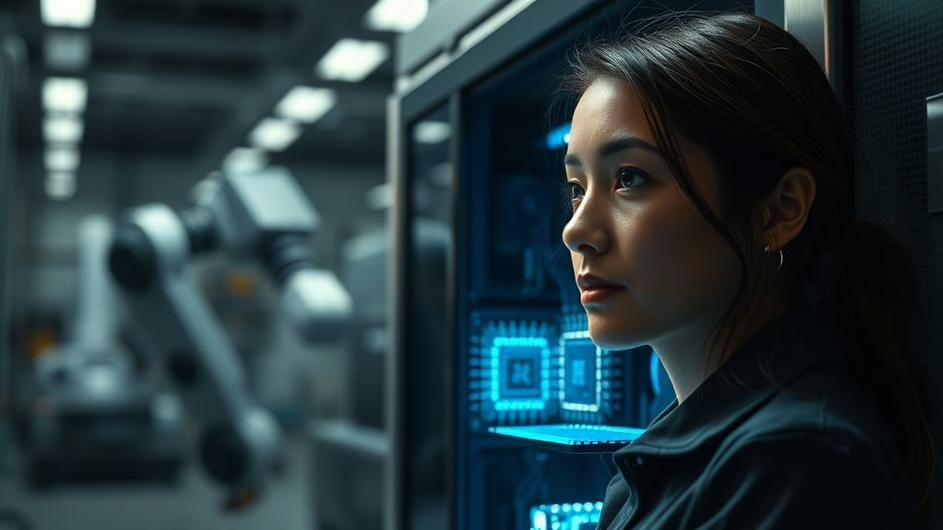
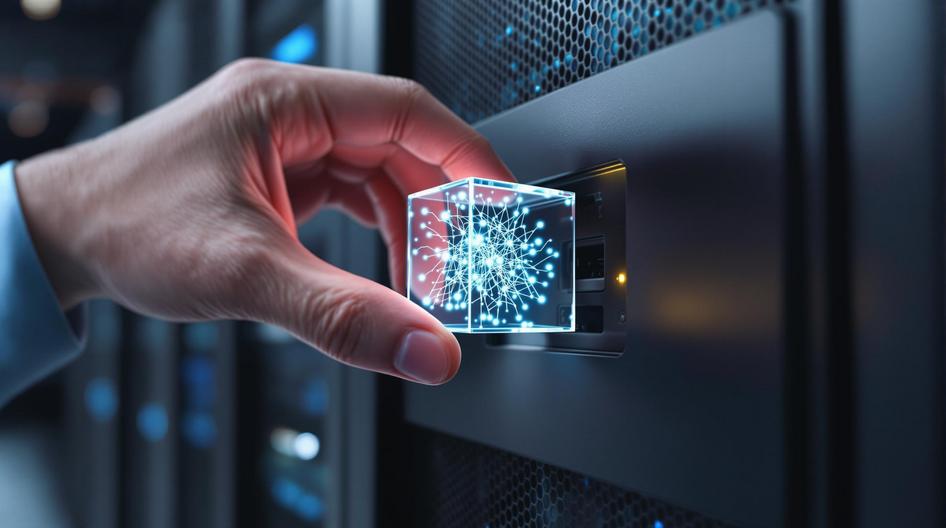
This isn’t just about building more server farms. It’s about the specialized processing and memory capacity needed to train massive AI models and run them at production scale. More compute means more demand for chips, memory modules, server racks, power infrastructure, and real estate. The ripple effect expands the addressable market for everyone from cloud providers to chipmakers.
What’s driving this? Companies are betting big that AI workloads will continue growing exponentially. They’re preparing for a future where AI isn’t just an experimental feature but the core of how businesses operate.
When Anyone Can Build Software
While infrastructure gets the big checks, there’s another story unfolding in the software layer. Take Lovable, a Stockholm-based AI software company that just closed a $330 million Series B round at a $6.6 billion valuation. The round was led by heavy hitters including Alphabet’s CapitalG and Nvidia’s NVentures.
The size and speed of that raise tell us something important. Investors aren’t just betting that AI will make coders more efficient. They’re betting it will create entirely new categories of creators.
Lovable positions itself as a full-stack platform for what they call “non-traditional builders.” The pitch is simple. Product managers, designers, marketers, even founders with zero coding experience can describe an idea in plain English. The AI system then generates, iterates, and ships working applications.
This approach has been dubbed vibe coding, and it’s part of a broader shift toward what tech folks call agentic tools. These are software systems that can take high-level instructions, break down complex tasks, call APIs, and orchestrate multiple steps with minimal human intervention.
For developers, this can be liberating. For organizations, it promises faster iteration cycles and lower barriers to prototyping. But it also raises some interesting questions. What does this mean for developers who’ve spent years mastering traditional coding? Are we looking at a future where anyone with a good idea can build an app?

The Investment Landscape in 2025
To understand how these trends are playing out, let’s look at where the money’s going:
| Investment Category | 2025 Trend | Key Players |
|---|---|---|
| Data Centers | $61B in global deals | Cloud providers, real estate investors |
| AI Chips | Record demand for specialized processors | Nvidia, AMD, custom silicon teams |
| Memory Solutions | High-bandwidth memory scaling | Micron, Samsung, SK Hynix |
| AI Development Tools | Venture funding surge | Lovable, GitHub Copilot, emerging platforms |
The Feedback Loop That Changes Everything
Here’s where things get really interesting. These two trends aren’t happening in isolation. They’re feeding each other in ways that create powerful momentum.
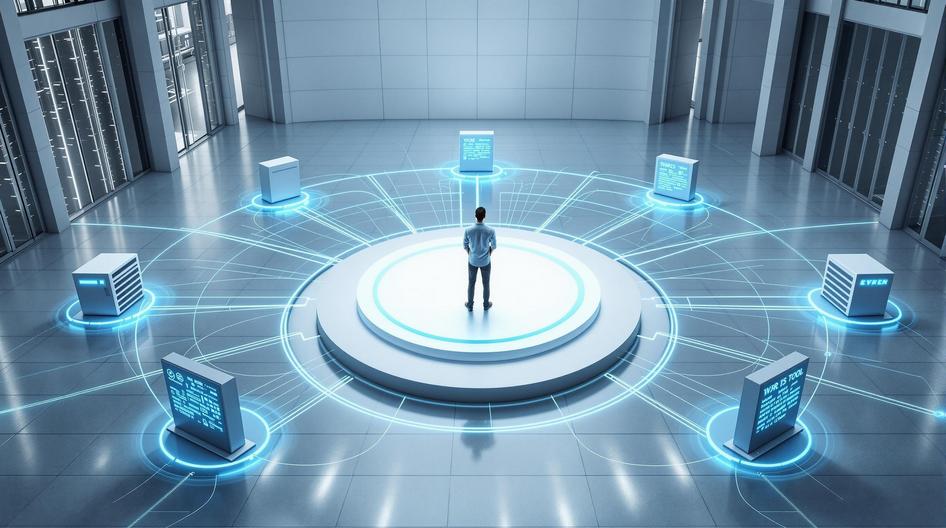
Record data center deals and rising demand for AI memory make companies like Nvidia and Micron strategic pillars in the ecosystem. Their hardware enables the software experiments that venture dollars are betting will change how products are built.
Strategic investors, including infrastructure incumbents, aren’t just funding startups for returns. They’re securing access to ecosystems of software that will run on their chips and clouds. It’s a smart play that creates powerful network effects.
The 2026 Reality Check
Now, before we get too excited, let’s talk about the reality check that’s coming. Several market watchers are warning about 2026, when the AI rally might face some headwinds. As big tech stocks face normalizing growth rates and tougher comparisons, we’re likely to see a shift from speculative bets to measurable outcomes.
When spending focuses on production-grade deployments rather than proofs of concept, companies will expect clear ROI, predictable costs, and integration with existing systems. That’s the point where some high-flying valuations and experimental projects might get re-priced or reprioritized.
What This Means for Developers and Tech Leaders
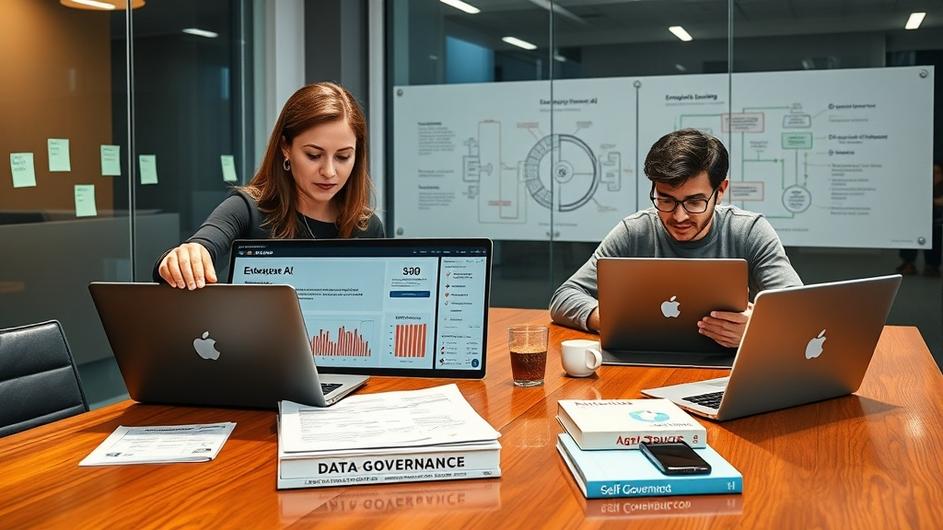
For developers and tech leaders, the near future will be defined by some practical questions. How do you balance investment in compute and memory capacity against application experimentation? How do you incorporate agentic tools into engineering workflows without sacrificing quality, maintainability, or security?
Answers will vary by company, but the successful playbooks will likely pair careful infrastructure planning with governance around AI-generated code. That means robust testing protocols, thorough code review processes, and solid observability practices.
The Democratization of Software Creation
Longer term, these combined trends point toward a more democratized software landscape. If vibe coding and agentic systems mature, the composition of teams that ship software will broaden significantly.
That implies faster product cycles, but it also creates new challenges for operations and security teams. Infrastructure spending will remain crucial because the economics of AI favor scale. Companies that can offer predictable, cost-effective compute and memory for AI workloads will be central to the next generation of software products.
Looking Ahead to 2026 and Beyond
We’re not at the finish line yet. Expect a period of consolidation and pragmatism after the exuberant funding rounds and record dealmaking of 2025. However, the structural change is real and happening now.
Data centers and semiconductors are scaling to meet unprecedented demand, and AI-native development tools are already redefining who can build software. The intersection of these forces will determine which companies capture the next wave of value, and how quickly new ideas move from concept to production.
For developers wondering about their future, the message is clear. The tools are changing, but the need for technical judgment, architectural thinking, and problem-solving skills isn’t going anywhere. If anything, these qualities become more valuable as AI development tools handle more of the routine work.
For investors, the playbook involves looking beyond the hype to identify companies building sustainable advantages in either infrastructure or software tooling. And for everyone else in tech, it’s worth paying attention to how these dual revolutions reshape everything from job descriptions to product development cycles.
One thing’s certain. The AI story that dominated 2024 and 2025 is maturing into something more complex and more interesting. It’s not just about making existing processes more efficient. It’s about creating entirely new ways of building, deploying, and scaling technology.
Sources
• Big Tech Stocks Today: Nvidia, Apple, Microsoft, Amazon, Alphabet, Meta and Tesla, ts2.tech, Dec. 20, 2025
• Lovable Raises $330 Million at a $6.6 Billion Valuation as Alphabet’s CapitalG and Nvidia’s NVentures Double Down on “Vibe Coding”, ts2.tech, Dec. 18, 2025
• S&P Global Market Intelligence data on global data center dealmaking through November 2025
• Additional analysis from industry reports on AI development trends