
Design, AI, and New Form Factors: How 2025 Rewrote the Hardware Playbook
Remember when hardware was just supposed to work quietly in the background? 2025 changed that. This wasn’t just another year of incremental updates, it felt like a genuine pivot point where physical devices stopped pretending to be invisible and started demanding our attention again. The shift showed up in unexpected places, from cassette-inspired DACs that brought back tactile rituals to glasses running full Android XR stacks. Even everyday gadgets got smarter in meaningful ways. What tied everything together was a renewed focus on objects that were genuinely pleasurable to use, honest about their tradeoffs, and smart where it actually mattered.
For developers, product teams, and tech enthusiasts, this combination opens up fresh opportunities while introducing new constraints to design around. But here’s the real question: what does this hardware renaissance mean for the future of personal computing, and how should builders approach the next wave of devices?
Design Takes Center Stage Again
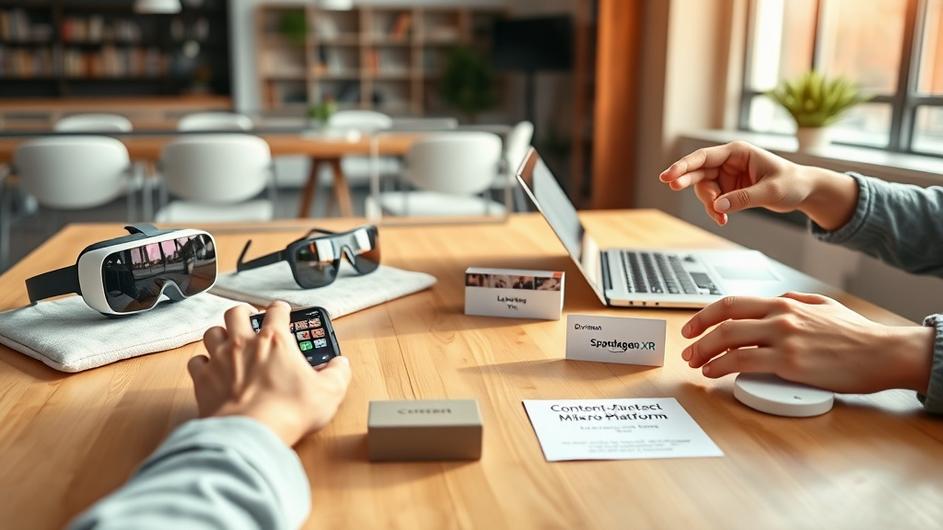
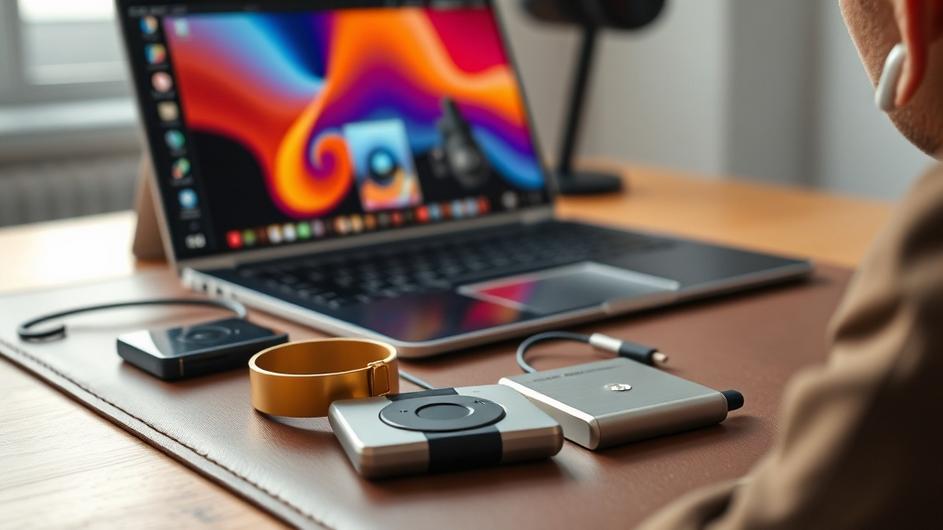
After years of mostly functional updates, consumers finally responded to gadgets that told compelling stories through their design. We saw audio products leaning into nostalgia not as cheap gimmicks, but as thoughtful revivals of tactile experiences. One standout example from Design Milk’s 2025 roundup was a compact, cassette-inspired DAC and amp that framed album art while delivering modern digital audio performance. That kind of intentional design choice signals something bigger, aesthetics and ergonomics are no longer afterthoughts, they’re integral to how a device communicates its value proposition.
This design-first mentality extends beyond consumer electronics. In the crypto and Web3 space, we’re seeing similar trends where hardware wallets and mining rigs are getting design overhauls that prioritize both security and user experience. As noted in our analysis of how smart gadgets are rewiring crypto lifestyles, the market is rewarding products that balance utility with personality.
Form Factors Get Creative
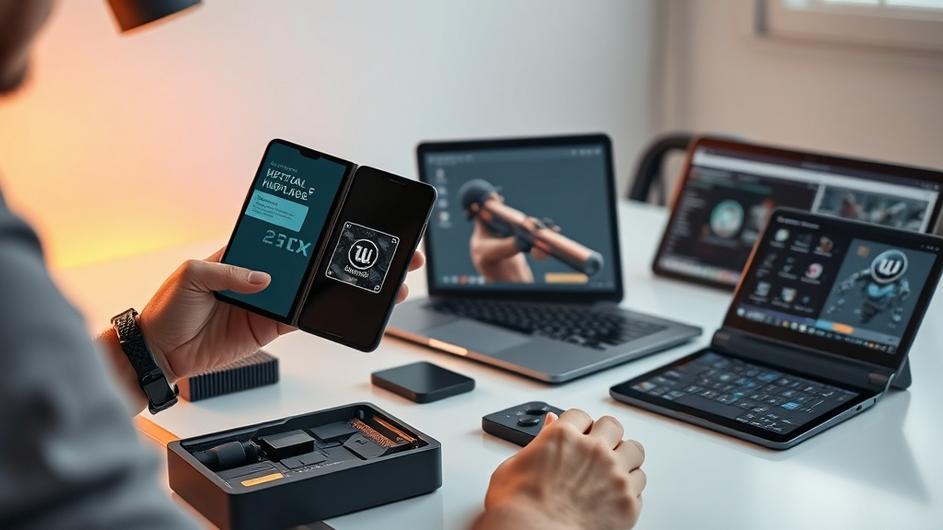
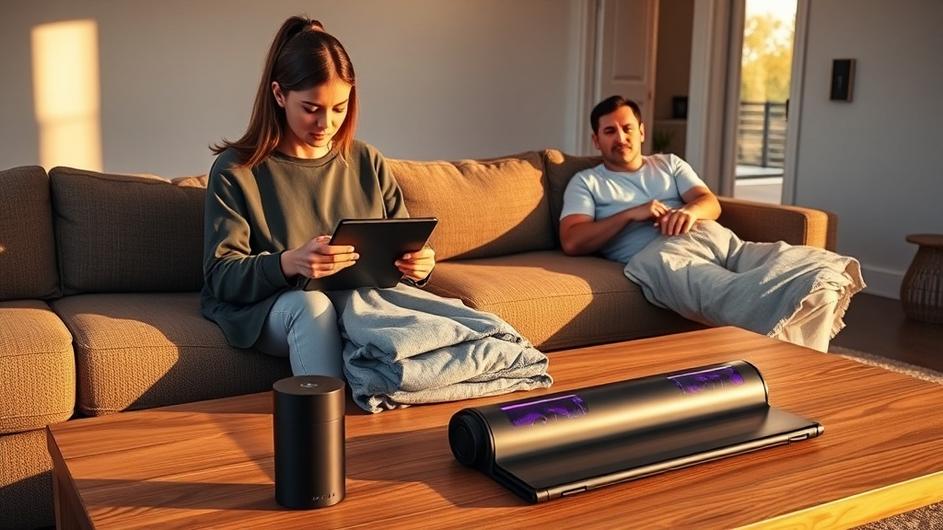
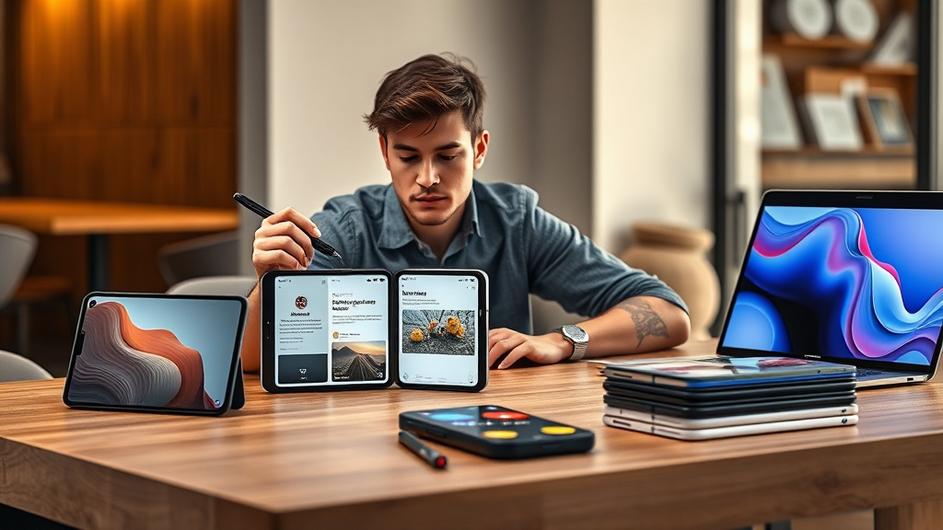
Foldable displays finally graduated from novelty to serious platform status in 2025. Manufacturers experimented with continuous, single-panel foldable OLEDs that treated the crease as part of the interface rather than trying to hide it. These weren’t just fragile wow factors, they represented genuine attempts to rethink workflows, letting screens expand and contract to suit different tasks.
At the same time, modular keyboards, customizable mopeds, and premium materials in everyday goods showed up on Gear Patrol’s comprehensive list of the year’s most important products. This reflects a growing customer appetite for personalization and durability, something that resonates particularly well with tech-savvy users who value both performance and craftsmanship.
The implications for crypto and blockchain are interesting here. As our coverage of foldables and edge computing explores, these new form factors could reshape how we interact with decentralized applications and manage digital assets on the go.
Software Finally Pushes Hardware Forward
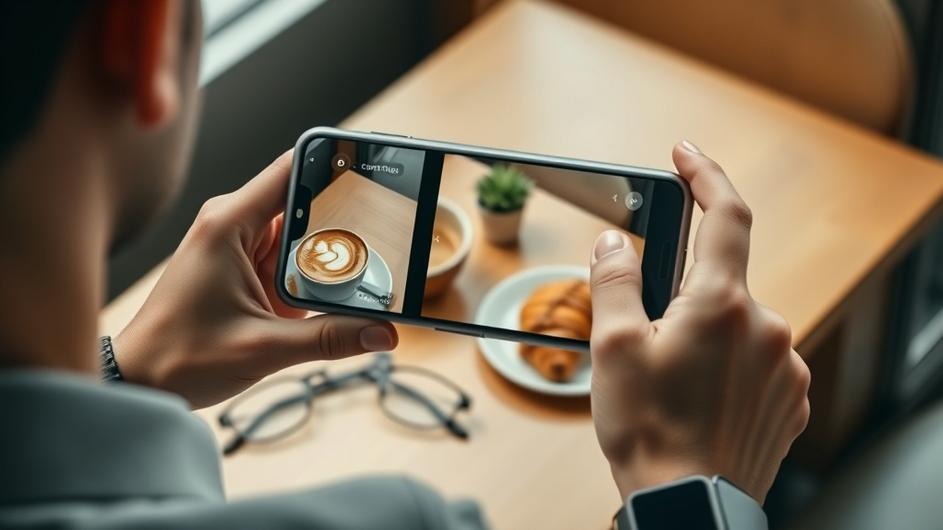
On the software side, AI moved from headline-grabbing demos to practical tools that actually sped up creative work. Editors and creators found AI features that streamlined image editing and integrated generative tools directly into their device ecosystems. Computational photography continued its steady improvement with modest but impactful camera upgrades, particularly in mainstream phones.
Those incremental camera improvements, when combined with smarter software, fundamentally changed what users expect from mobile photography. But here’s where it gets interesting for developers: this software-hardware synergy creates new opportunities for edge AI applications that don’t rely on constant cloud connectivity.
According to PCMag’s editors, the products that earned repeat usage weren’t necessarily the flashiest, they were the ones that reliably improved work and leisure through thoughtful software integration.
Augmented Reality Finds Its Footing
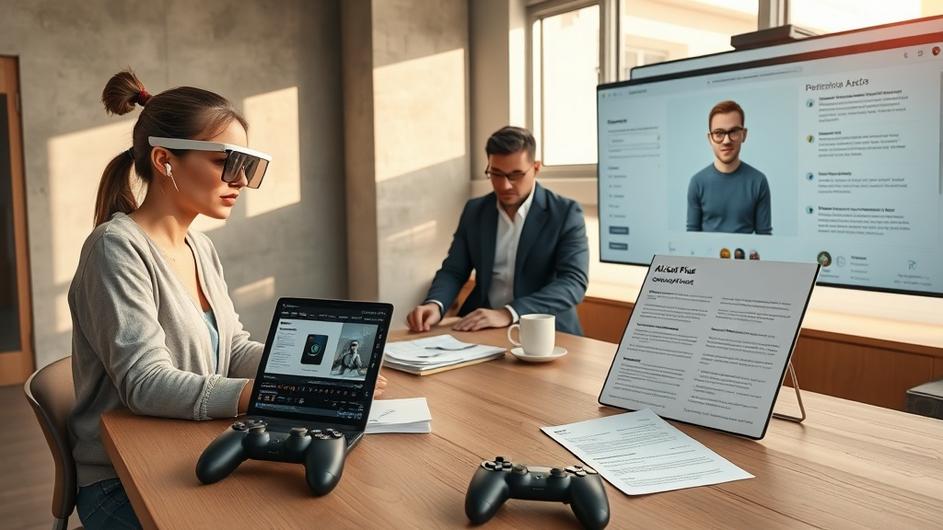
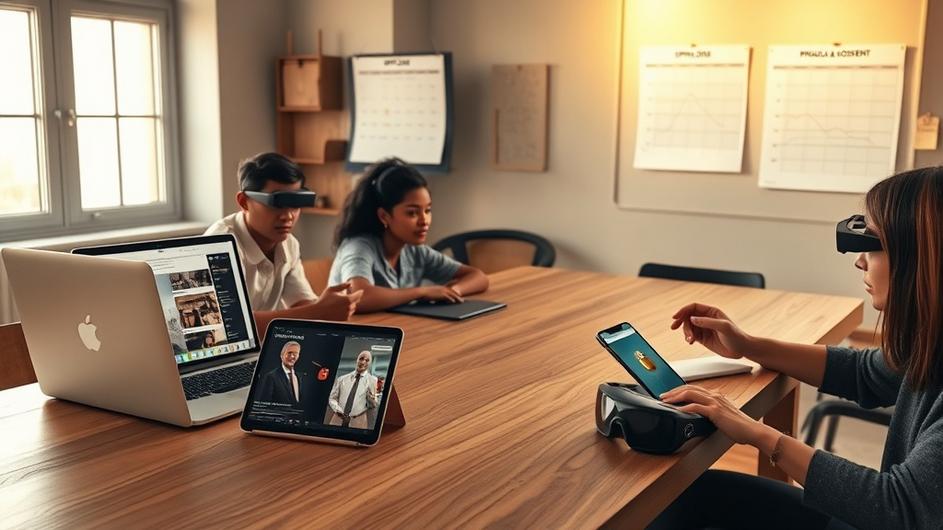
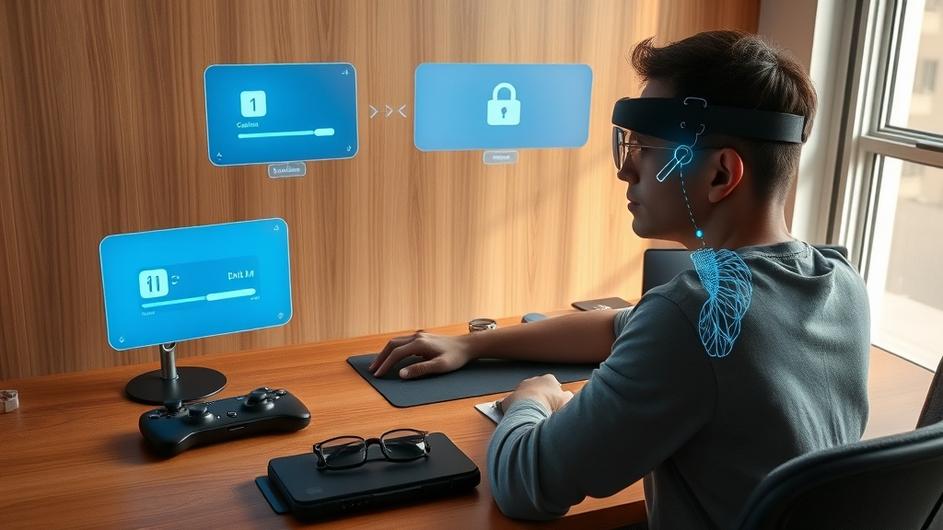
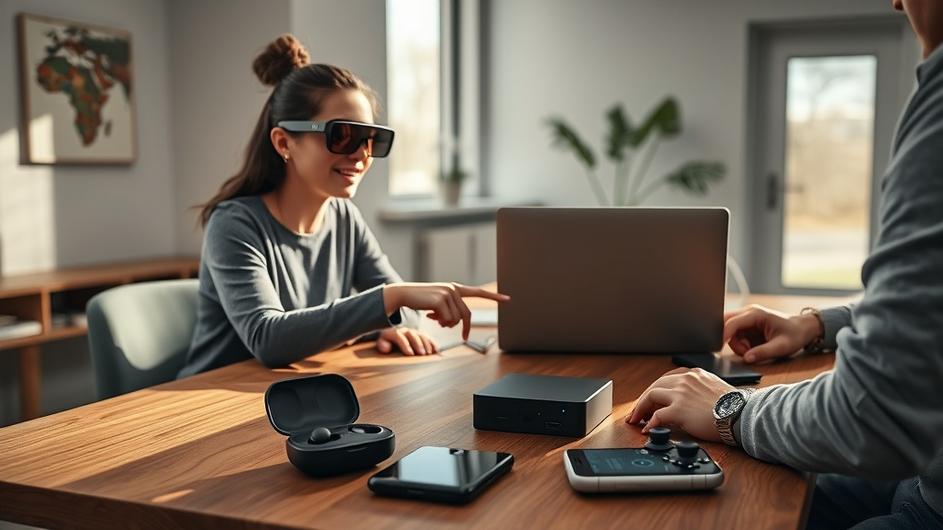
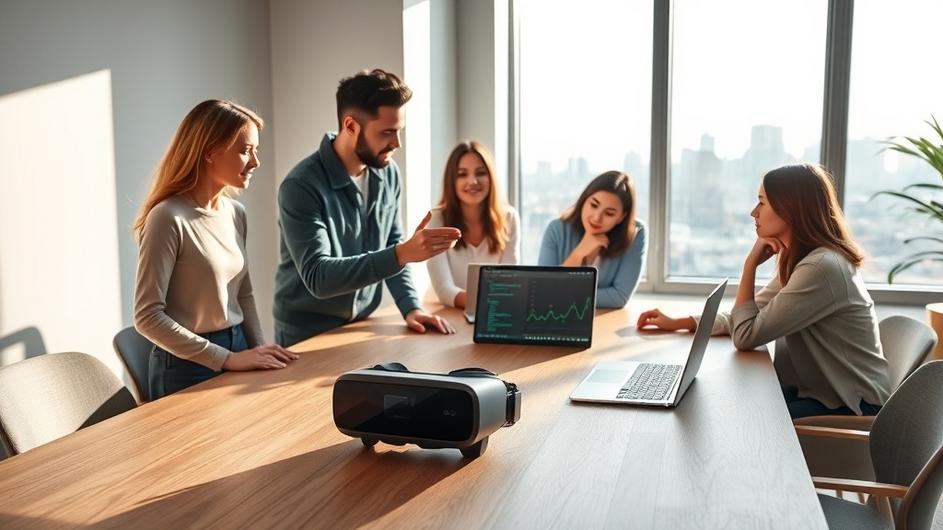
If there was one defining thread through 2025’s hardware landscape, it was augmented reality finally starting to make sense. A December demo of a tethered glasses product running Android XR showed impressive hand-tracking and large virtual displays. What made this different? It framed AR as a glasses-first computing model rather than just another headset concept.
The demo, covered extensively by Glass Almanac, suggested that early retail glass devices would prioritize display fidelity, meaning sharper, more convincing virtual imagery even if that came at the cost of battery life. For developers, this prioritization signals where to focus effort: high-quality visuals, low-latency interaction, and thoughtful spatial UI will win the first wave of users.
This AR evolution has significant implications for how we might interact with blockchain interfaces and Web3 applications in spatial computing environments.
Hardware Tradeoffs Return to Focus
The push for display fidelity over battery freedom serves as a useful reminder that every capability leap comes with costs. Designers and engineers now face the classic balancing act: weight, thermal limits, and battery life versus resolution, brightness, and processing power.
Expect early AR applications to optimize for shorter, high-quality sessions, potentially relying on tethering or nearby compute for heavy workloads. These constraints will inevitably shape app architecture, data pipelines, and user expectations about what glasses can realistically do today. It’s a familiar challenge for anyone working in mobile or wearable tech, but with new dimensions added by spatial computing requirements.
Robotics Gets Practical
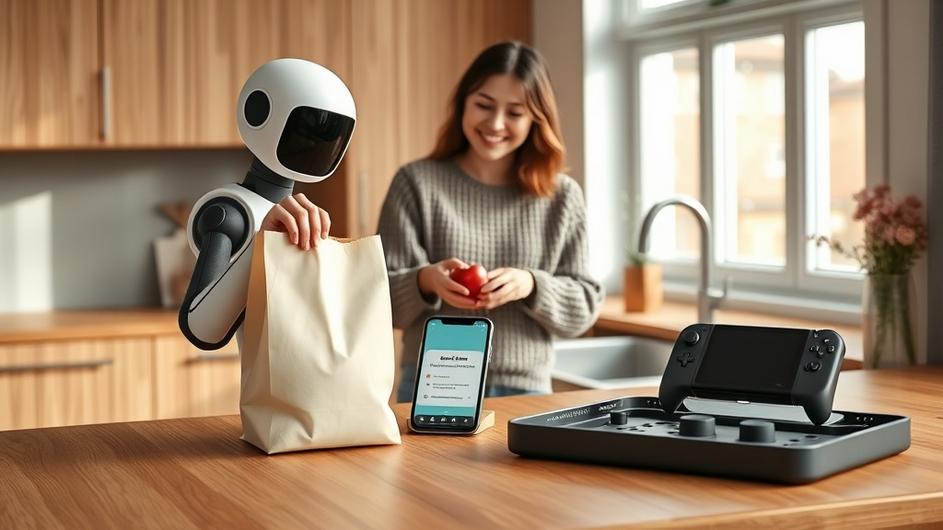
Home robots evolved beyond simple vacuuming platforms in 2025. Prototypes emerged with manipulators capable of picking up light objects, while commercial models focused on robust navigation and contextual sensing. As CNET’s coverage highlighted, these devices are shifting from single-task appliances to multi-functional helpers.
This transition requires significant improvements in perception, safe manipulation, and perhaps most importantly, user trust. Developers working in robotics will need to refine failure modes, create predictable behaviors, and design clear interfaces for task delegation. The parallels with autonomous systems in crypto mining and blockchain validation are worth noting, as both fields grapple with reliability and trust issues.
The Value of Thoughtful Upgrades
2025 validated something important: well-chosen upgrades matter. Review roundups and editorial picks consistently highlighted products that earned repeat usage through reliability rather than hype. High-performance desktop systems, noise-cancelling earbuds, and versatile gaming hardware made “best of” lists because they genuinely improved work and leisure experiences.
This editorial feedback loop directly affects purchasing decisions, nudging vendors toward building long-term relationships with users instead of chasing quarterly spikes. For the crypto hardware space, this suggests that products like Web3-optimized laptops and secure storage solutions need to prioritize durability and consistent performance over flashy features.
Utility Meets Personality
There’s a common denominator across all these successful 2025 devices: utility married to personality. Whether it’s a foldable laptop that changes how you multitask, a wearable that subtly augments perception, or a premium everyday object, the market is rewarding items that feel both purposeful and expressive.
For product teams, this means investing seriously in industrial design, polishing software interactions until they feel intuitive, and being explicit about the specific user scenarios where a device excels. It’s no longer enough to have great specs, you need to tell a compelling story through both form and function.
Opportunities for Builders and Developers
This hardware renaissance creates concrete opportunities for developers. New form factors demand fresh UI paradigms that feel natural on foldable or wearable surfaces. AR and hand-tracking call for spatial interaction models that work intuitively in three-dimensional space. AI features require integration patterns that respect user control and transparency while delivering real value.
Cross-disciplinary collaboration will be essential. The future of successful products will be decided by teams that can bridge material craft and machine intelligence, industrial design and firmware engineering, user experience and computational photography. As we’ve seen in the convergence of wearables and AI, the most interesting innovations happen at these intersections.
Looking Ahead to 2026
So what comes next? 2026 looks like a year of refinement rather than reinvention. Expect partner-branded AR glasses to land in stores with clearer use cases, foldable hardware to iterate on durability and software polish, and home robots to broaden capabilities while shrinking their error budgets.
Most importantly, the industry seems poised to continue trading flash for fidelity, favoring practical intelligence and pleasurable design over unbridled novelty. For builders and makers, this is actually a welcome constraint. It forces teams to ask the right question: not what a device can do in theory, but what it should do for a person in a given moment.
The hardware playbook has been rewritten. Design matters again, form factors are expanding in creative directions, and software is finally pushing hardware forward in meaningful ways. For anyone building the next generation of devices, the message is clear: focus on creating experiences that are both useful and delightful, and don’t be afraid to make thoughtful tradeoffs along the way.
Sources
Top 10 Technology Posts of 2025, Design Milk, December 17, 2025
Robot Vacuums with Claws? The Biggest Tech Products of 2025, CNET, December 18, 2025
Project Aura Reveals Android XR Demo In Dec 2025 – Why It Matters Now, Glass Almanac, December 14, 2025
Here’s the Top Tech Our Editors Bought (and Loved) in 2025, PCMag, December 18, 2025
The 100 Most Important Product Releases of 2025 (Full List), Gear Patrol, December 15, 2025