Why 2025 Felt Like a Pivot Year for Gadgets, From Dream Recorders to Tri Fold Phones
Remember when futuristic tech felt like something that would always be “just around the corner”? This year, that corner turned. 2025 wasn’t about promises or prototypes. It was the year consumer technology finally started shipping the future in boxes you could actually unwrap, wear, or give as a gift. Across the board, a clear theme emerged. Designers and engineers weren’t just chasing specs. They converged on two real priorities: creating richer, more contextual computing experiences and taking tangible responsibility for how devices are built and last. The result? A genuinely interesting crop of products that are clever, sometimes whimsical, and often quietly consequential.
When Imagination Meets the Practical
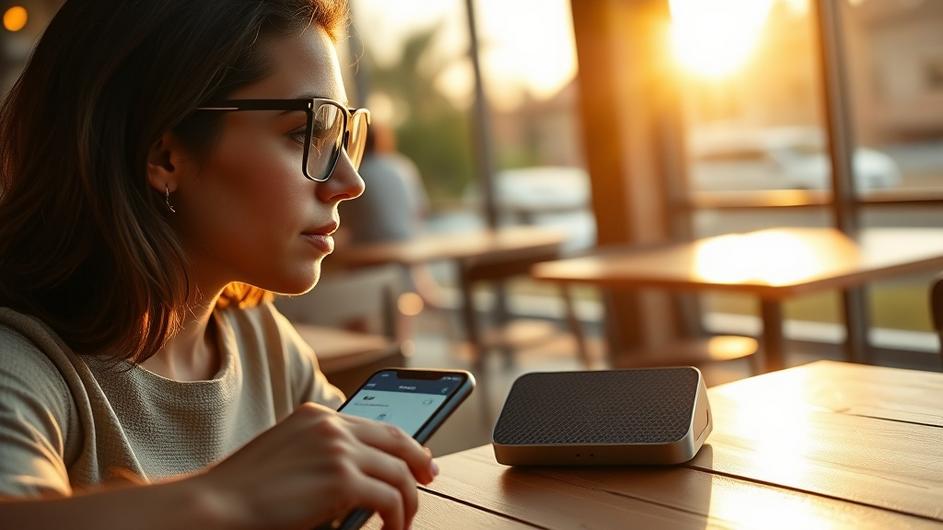
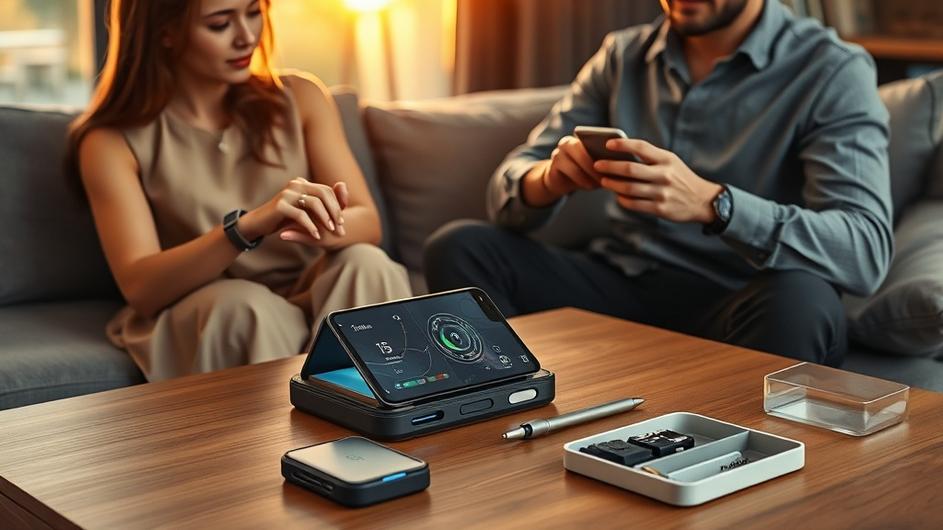
Designers got to play, while engineers figured out how to make the wild ideas work. At the playful, experimental end of the spectrum, we saw open-source projects that made you rethink what a gadget even is. Take the so-called “dream recorder” or compact sunlight simulators. These aren’t your typical attention-hungry screens. They represent a new class of ambient devices that interact with you at the very edges of your conscious experience. They explore what happens when computation becomes subtle, embedded, and deeply personal. This shift is possible now because lightweight AI models and affordable, capable sensors can finally fit into small, elegant form factors. It’s a trend highlighted in Dezeen’s roundup of the year’s top gadgets, which celebrates this move toward more thoughtful, integrated tech.
The Foldable Future Goes Mainstream
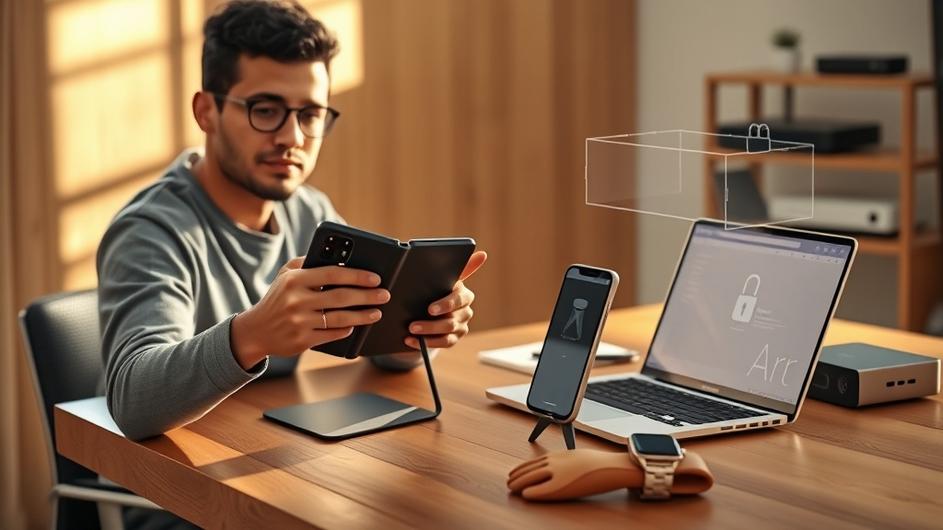
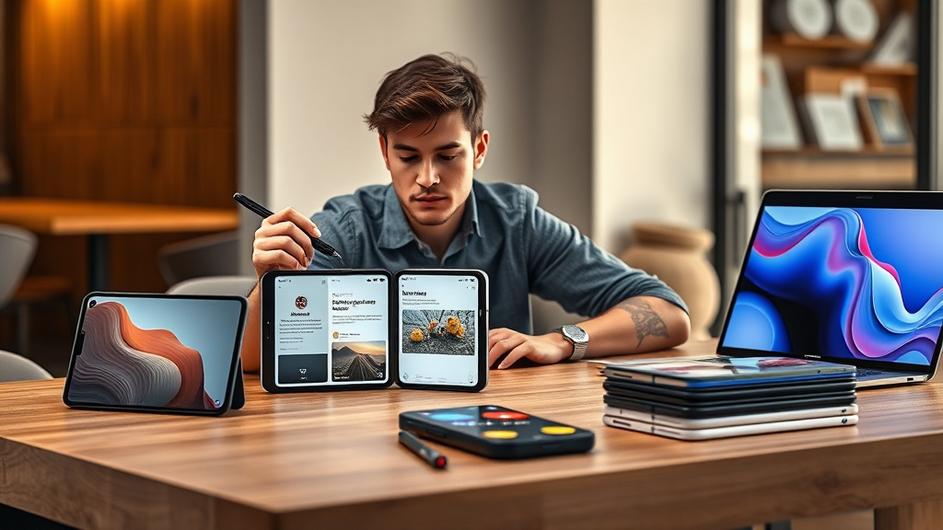
Remember when foldable phones were fragile novelties with visible creases? That chapter is closing. Form factor innovation moved decisively from experimental to something you can confidently buy. The Huawei Mate XT Ultimate, a tri-fold phone, did more than prove folding displays could be reliable. Reviewers argued it set a new benchmark for when multiple folding segments become a genuinely usable surface for real work, media consumption, and multitasking. In plain terms, we can now buy pocketable devices that reliably expand into tablet-sized canvases. For developers, this isn’t just a cool trick. It fundamentally reshapes the interaction surface and forces new questions about responsive UI, app continuity, and how performance scales across a display that can physically change size. It’s a hardware leap that demands software to catch up, a challenge explored in our look at what 2025 tells developers about the next wave.
Wearables Look Inward and Outward
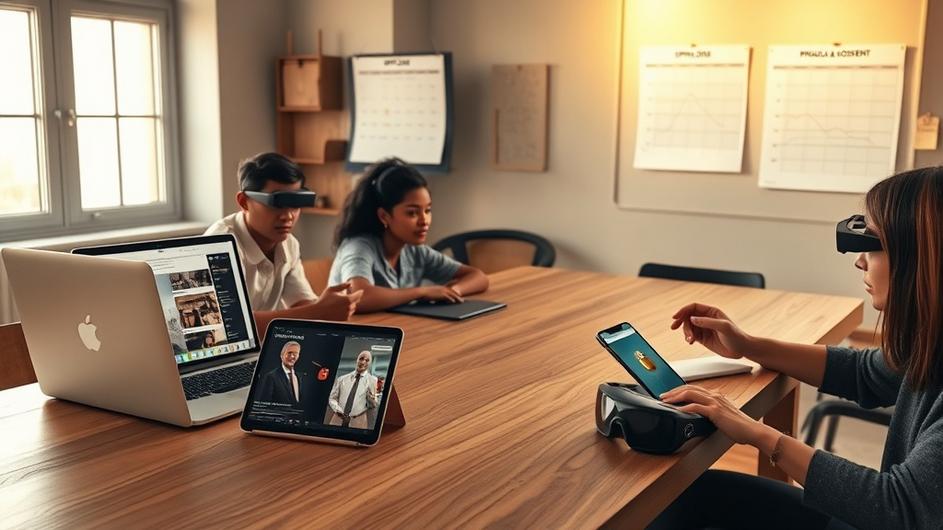
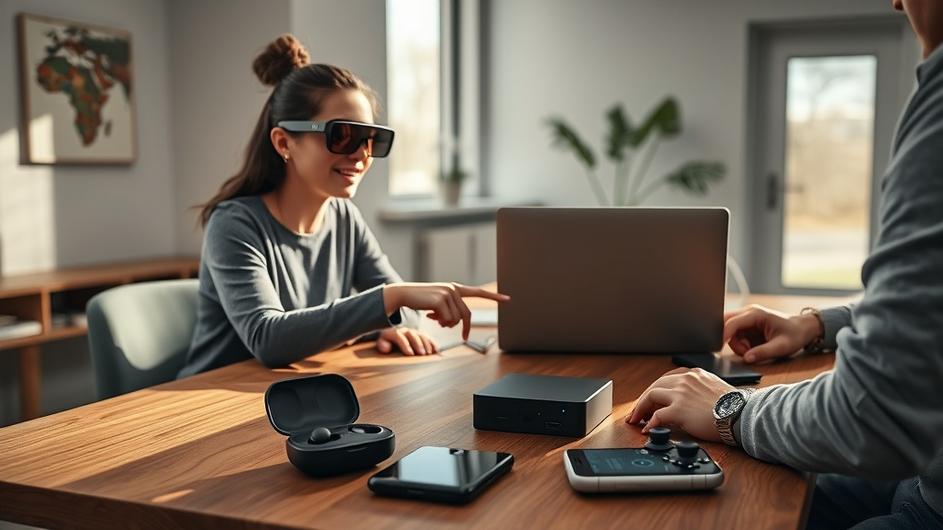
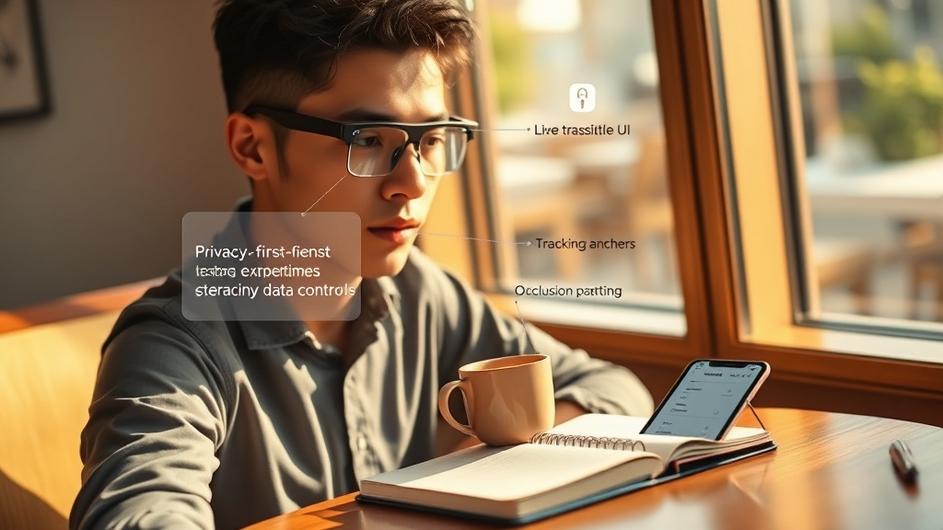
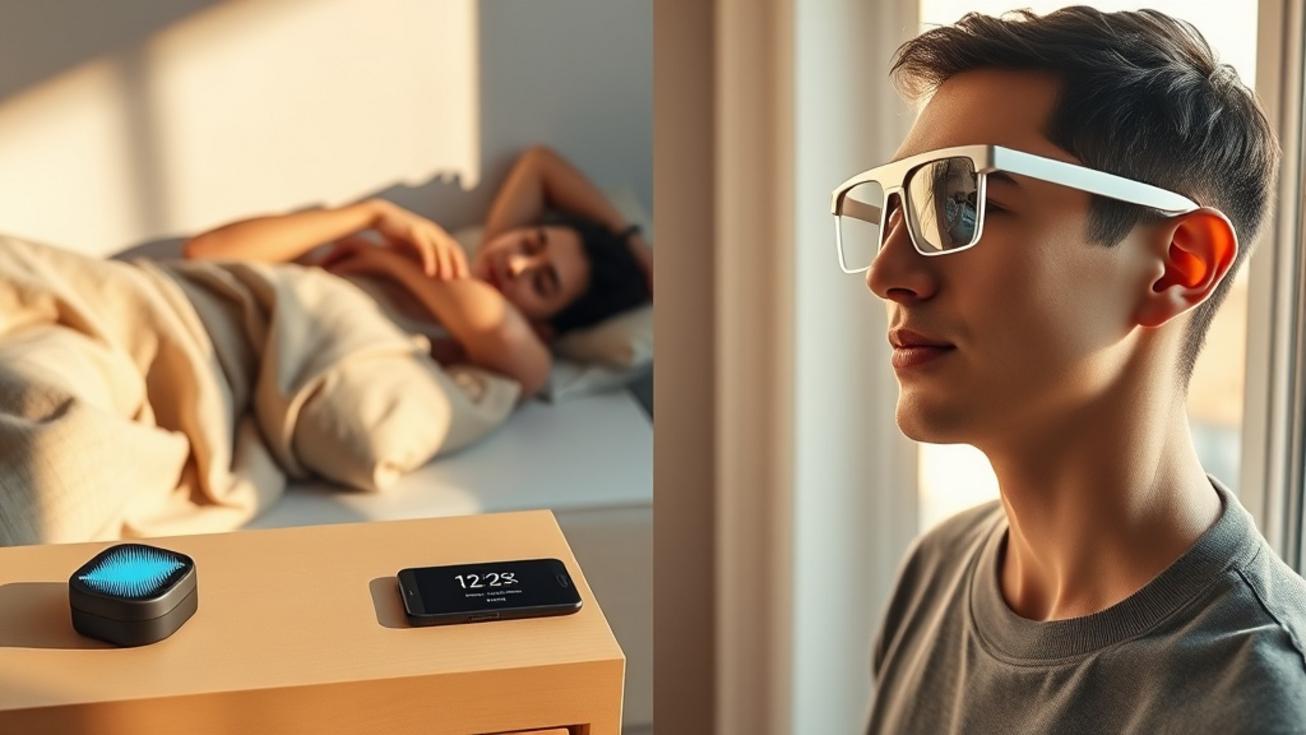
Wearables evolved in two complementary, almost philosophical directions. One looked inward, toward our most intimate spaces. Devices like the Dream Recorder intentionally blur the lines between sleep, memory, and AI, sparking as much debate about privacy as they do excitement about innovation. The other direction looked outward, into the world. Smart glasses finally started looking like a credible platform. Thanks to advances in waveguide optics, we now have full-color, see-through displays that can overlay useful information without blocking your view of reality. This brings hands-free photo capture and glanceable notifications closer to everyday utility. For builders, this means getting serious about voice interfaces, designing for glanceable UI patterns, and implementing low-latency computer vision that doesn’t murder battery life. ZDNET recognized this multimodal push in their Breakthrough Awards for 2025, highlighting products that blend interfaces seamlessly.
From Single-Purpose Bots to Home Companions
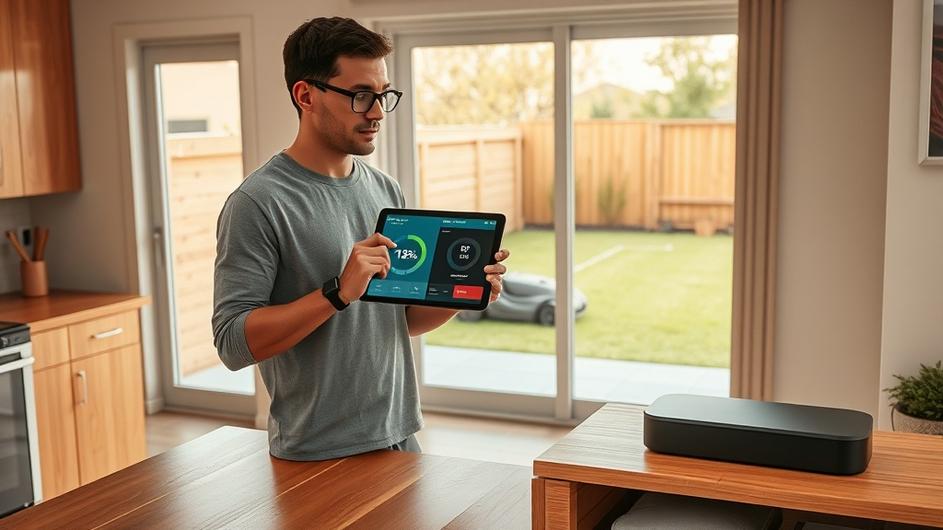
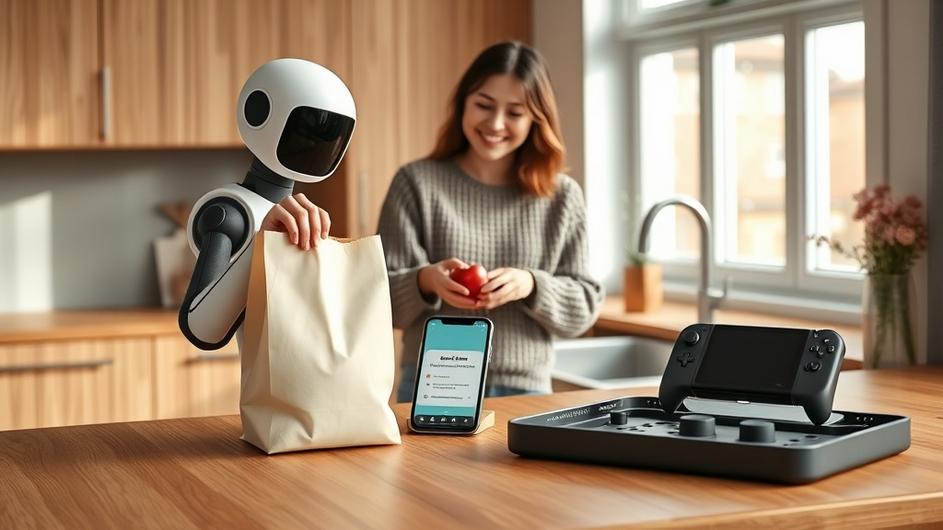
Robots are growing up. They’re moving beyond single-purpose chores toward becoming multifunctional home companions. Take the Saros Z70 robot vacuum. It pushed its category toward new levels of reliability and functionality that goes far beyond just cleaning. It hints at a future class of home automation that combines precise navigation, environmental sensing, and intelligent task orchestration in a single, capable device. This vision, in turn, invites the need for platforms that can aggregate “skills” from different vendors, letting devices from various makers work together under a common understanding of your home context. It’s a logical extension of the ambient computing trend, where the best technology fades thoughtfully into the background. The sheer volume of this hardware evolution is captured in Gear Patrol’s massive list of 2025’s most important product releases.
Sustainability Becomes a Design Language
This year, sustainability and repairability weren’t just marketing bullet points. They were baked into the design language of headline products. The Kibu children’s headphones, which won a major design award for sustainability, were literally designed to be assembled and repaired by kids themselves. This isn’t a theoretical design exercise. It’s a direct, practical response to rising consumer demand for longevity and the broader “right to repair” movement. We also saw premium, durable materials trickle down into more everyday product categories, quietly reshaping user expectations about how long a device should last and what kind of value it should retain. For a deeper dive into how tech is maturing on this front, check out our analysis on why 2026 looks like the year tech grows up.
The Sobering Reality of Supply Chains
But all this innovation doesn’t happen in a vacuum. Hardware is still physical, and supply chain decisions can introduce a sobering counterpoint to the excitement. Reports that Samsung plans to wind down SATA SSD production highlighted how a single vendor’s choice can ripple across the entire market. For those who don’t live in the component world, SATA SSDs are the older, but still very common, solid-state drive interface in countless budget laptops and desktops. If a major supplier exits, it can tighten supply and push prices up for everything from entry-level computers to external drives, potentially creating 12 to 18 months of price pressure. For developers and system builders, the lesson is clear: plan procurement earlier, seriously consider faster alternatives like NVMe, and design for modularity so a shock in one commodity market doesn’t derail your entire product roadmap.
The Quiet Workhorses: Thoughtful Accessories
While the flashy gadgets grab headlines, the accessory market quietly does the essential work of sustaining the ecosystem. Thoughtful accessories, from ultra-compact power banks to genuinely great noise-cancelling earbuds, remained the reliable last-minute gifts and practical kit-bag staples. As CNET noted, these unique tech accessories make for easy gifts, but their role is bigger. They’re often the fastest, lowest-risk way for consumers to experience meaningful tech improvements. For developers, they’re a crucial prototyping sandbox to test interactions with new sensors or chips before committing to a full product design cycle.
What It All Means: A New Tech Pattern Emerges
So, what’s the pattern when you step back? A few things become clear. Computing surfaces are proliferating in wild new ways, from tri-fold phones to waveguide glasses. Each new form creates fresh interaction models and unique performance trade-offs that app developers and UI designers must grapple with. Second, ambient and intimate devices signal a major shift toward computing that’s contextual and continuous, not something you always have to actively “use.” Third, sustainability and repairability are now non-negotiable parts of the design brief, driven equally by consumer sentiment and looming regulation. Finally, we’re reminded that software innovation can still be hamstrung by old-fashioned hardware availability and pricing. The supply chain still calls the shots.
For developers and tech leaders, the immediate to-do list is pragmatic but significant. Embrace and build for multimodal interfaces. Optimize your apps and services for dynamic, shape-shifting displays. Design for longevity from the start. And as devices enter more private spaces like bedrooms, prioritizing transparent privacy and clear user consent isn’t just ethical, it’s essential for adoption.
Looking Ahead to 2026
If 2025 was the year these threads appeared, 2026 will be the year they start to knit together. Expect to see more wearables that seamlessly share context with household robots. Watch for interfaces that migrate smoothly between your pocket, your face, and the ambient surfaces of your home. The emphasis on repair-friendly, modular hardware will only intensify. The big, unanswered question is about orchestration. Which platforms will manage this growing diversity of devices? Will open standards emerge that let gadgets from different manufacturers collaborate effectively without locking users into a single ecosystem? For developers, that’s an open invitation to build the connective tissue. For users, it’s the promise that the next wave of gadgets won’t just be smarter or more powerful. They’ll be more thoughtful, more integrated into our lives, and ultimately, more human.
What’s your take? Are you excited by ambient computing, or concerned about the privacy implications? Is the tri-fold phone your next upgrade, or are you waiting for the tech to mature further? Let us know in the comments.
Sources
1. The top 10 gadgets of 2025, Dezeen, Fri, 12 Dec 2025
2. The 5 most innovative tech products we tested this year, ZDNET, Fri, 12 Dec 2025
3. The 100 Most Important Product Releases of 2025 (Full List), Gear Patrol, Mon, 15 Dec 2025
4. Samsung to halt SATA SSD production, leaker warns of up to 18 months of SSD price pressure, Notebookcheck, Sat, 13 Dec 2025
5. These Unique Tech Accessories Make Easy Last-Minute Gifts, CNET, Fri, 12 Dec 2025