
From Readers Votes to Wearable AI, What 2025 Tells Developers About the Next Tech Wave
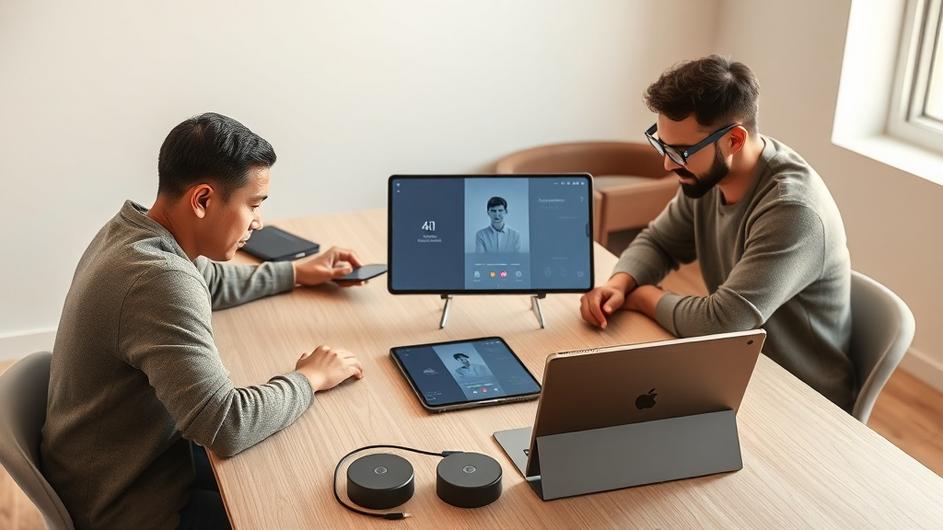
As 2025 wound down, it didn’t feel like an ending. It felt more like the tech industry was catching its breath, recalibrating, and showing us where things are really headed. Think about it, readers were voting for their favorite gadgets, companies were quietly shifting hardware plans, phone makers dropped new beta software, retailers started slashing prices on premium accessories, and even Consumer Reports reminded everyone that cars are now serious computing platforms. When you step back and look at all these signals together, they paint a pretty clear picture of where consumer demand, platform strategy, and developer opportunity are converging, and where they’re starting to pull apart.
Public Taste Isn’t Just a Popularity Contest
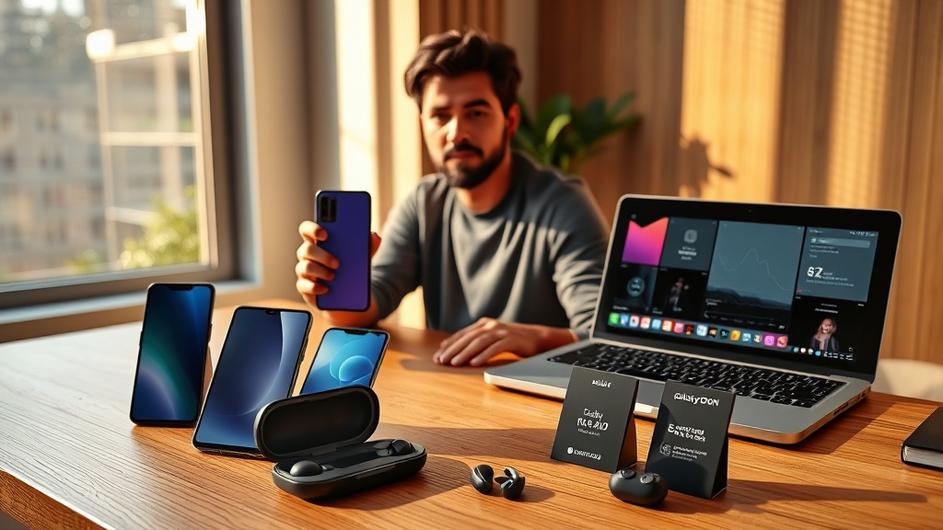
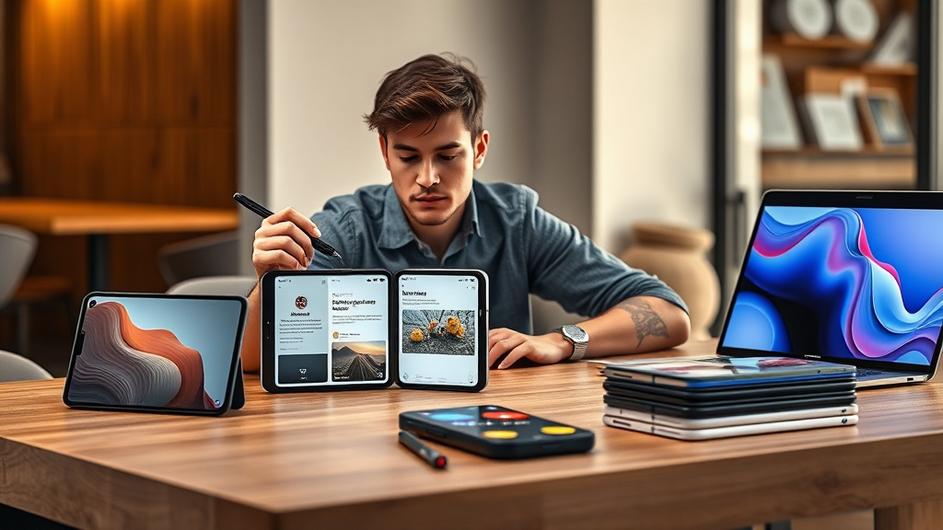
Sure, you could dismiss readers’ choice awards as mere popularity contests. But that would be missing the point entirely. When thousands of consumers take the time to vote for the best phones, laptops, wearables, and smart home gear, they’re not just picking shiny objects. They’re telling us what actually matters in their daily lives. Battery life that lasts through a full day of meetings and streaming. Real world performance that doesn’t stutter when you’re switching between apps. Seamless ecosystems that just work without forcing you to become a systems administrator.
For developers, the lesson here is straightforward, maybe even obvious. People vote with their actual needs, not with spec sheets. Attention flows to products that solve everyday friction points. That creates a real demand for software and services that integrate cleanly, run reliably, and spare users from configuration headaches. It’s why we’re seeing more focus on smart gadgets that bridge physical and digital worlds, creating smoother user experiences that don’t require constant tweaking.
The AR Hardware Sprint and the Quest for Always-On Assistants
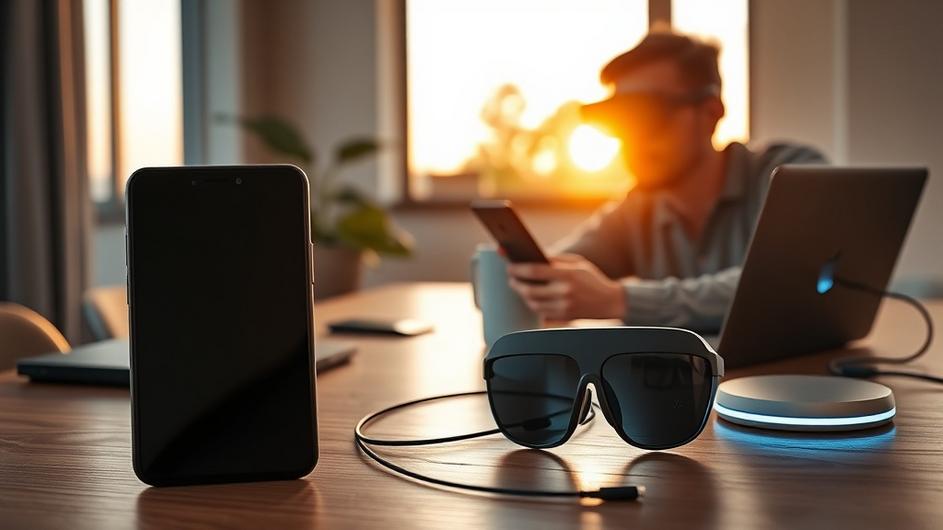
If readers’ votes measure what’s being adopted today, then the moves in augmented reality show us who’s trying to define tomorrow. A string of 2025 headlines points to a fresh hardware sprint in spatial computing. Meta’s acquisition of Limitless, a startup known for its discreet pendant recorder and transcription technology, along with their hiring of design talent from rival firms, sends a clear signal. They’re building toward wearable AI that lives on your body, not strapped to your face, and it’s designed to operate continuously.
At the same time, Meta reportedly pushed the launch of its mass-market mixed reality glasses to 2027. Timelines might be shifting, but the purpose is coming into sharper focus. The goal is wearable AI with always-on intelligence, devices that can continuously capture context, transcribe conversations, and surface assistance without waiting for you to open an app first. For developers, this opens up both exciting possibilities and serious responsibilities. The possibilities include entirely new interaction paradigms, microtasking workflows, and voice-first APIs. The responsibilities? They include privacy by design from the ground up, consent flows that regular people can actually understand, and low-power models that respect both battery life and thermal limits.
Market pressures are already reshaping pricing and positioning. Discounts on early AR products, like the price cuts on Ray Ban Meta glasses, highlight the fragile consumer demand for expensive first-generation hardware. That price sensitivity matters because it accelerates a commercial reset. Companies are being pushed to iterate on ergonomics, refine use cases, and develop service models instead of just betting everything on halo hardware. This shift toward wearable intelligence represents one of the most significant tech transitions we’re witnessing.
Platform Churn, Beta Programs, and the Never-Ending Compatibility Dance
Meanwhile, the phone ecosystem doesn’t sleep. Samsung announced its One UI 8.5 beta program in December, continuing the steady drumbeat of interface and platform updates from major manufacturers. These beta programs are more than just marketing exercises. They’re genuine invitations for developers to validate compatibility, measure performance impacts, and take advantage of new APIs before a wider rollout hits millions of devices.
For teams shipping apps, participation in these beta programs has become core infrastructure. It reduces the risk of embarrassing regressions, helps uncover subtle UI mismatches caused by OS-level changes, and reveals opportunities to adopt new features like refined multitasking or system-level privacy controls. Smart build processes now include automated testing against vendor betas where possible, along with feature flags to protect users still running older builds. As smartphones continue to evolve into AI edge nodes, staying ahead of these platform changes isn’t just nice to have, it’s essential.

Accessories, Standards, and the Battle for Convenience
The accessory market keeps reminding us that the ecosystem surrounding flagship devices is serious business. Amazon has been selling 10,000mAh power banks with multiple built-in cables at bargain basement prices, directly challenging higher-margin, branded chargers. This competition signals commoditization, sure, but it also points to convenience-driven innovation. Built-in cables mean fewer separate items to remember, and bundled solutions lower the friction of cross-device compatibility.
For developers, accessories matter more than you might think because the software experience depends on reliable hardware behavior. Fast charging protocols, cable negotiation, and battery reporting are all areas where apps report telemetry or change behavior based on power state. Standard protocols like USB-C power delivery and the Battery Status API have become important primitives. Expect accessory makers to keep pushing creative form factors and bundling models, which means developers need to plan for edge cases gracefully. This trend toward integrated solutions is part of why next-gen computing devices are becoming more powerful and versatile.
Cars, Reliability, and the Expanding Software Frontier
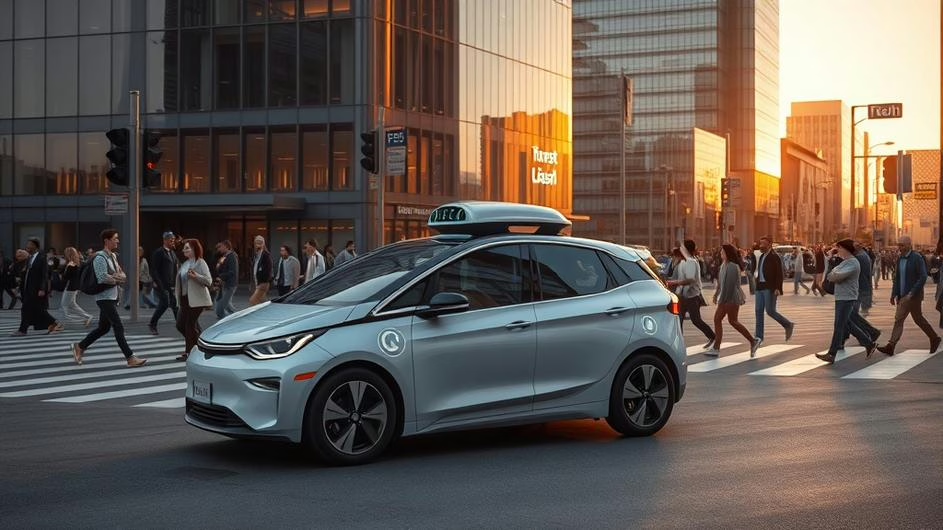
Consumer Reports’ ranking of top car brands serves as a useful reminder that automobiles remain one of the principal computing platforms in our daily lives. Modern cars combine complex hardware, extensive sensor suites, and increasingly sophisticated software stacks. Reliability and brand trust weigh heavily in buying decisions, and those attributes will only become more crucial as vehicles adopt more software-defined features and connectivity.
For developers building automotive integrations, this means designing for long product lifecycles, strict safety constraints, and the reality of intermittent connectivity. It also means recognizing the growth of opportunities, from improved infotainment apps to over-the-air updates and vehicle telematics. The car as a platform will continue to demand exceptionally high standards for privacy, safety, and resilience. Could this be where we see the next wave of augmented reality interfaces taking root, with heads-up displays and spatial computing enhancing the driving experience?
What This All Means for Builders and Teams
What ties these threads together is convergence. Hardware and software decisions are shifting in tandem, and market forces are nudging companies toward practical, user-focused productization. AR firms are combining hardware acquisitions with fresh design talent. Phone makers are iterating their software stacks through public beta channels. Retailers are pushing accessory convenience at aggressive price points. And cars continue to be judged by their real-world reliability above all else.
For engineering teams and product leaders, the practical takeaways are pretty clear. Prioritize cross-platform testing because users live in ecosystems, not silos. Design for power efficiency and privacy from the very beginning, since always-on assistance and body-worn devices magnify these concerns dramatically. Monitor accessory trends and standards so your apps behave predictably across a wide range of hardware conditions. And wherever possible, participate early in vendor betas to avoid surprise regressions and to spot new integration opportunities before your competitors do.
Looking Ahead: Incremental Progress and Decisive Shifts
The next few years will likely bring both incremental progress and a handful of decisive shifts. Expect wearable AI and spatial interfaces to mature from novelty to practical helpers, but only if they solve real user problems while respecting privacy and battery limits. Expect platform companies to keep iterating on software experiences, opening windows for third-party apps even as they guard their core services. Expect accessory makers to continue racing on convenience and price, tightening margins for premium hardware unless bundled services provide meaningful differentiation. And expect cars to grow more software-centric by the day, turning vehicle manufacturers into long-term partners or clients for developers.
That combination of market pressure and technical opportunity means the most valuable skill for teams isn’t just coding expertise or design flair, it’s adaptability. Build systems that can tolerate fragmentation. Instrument behavior across different devices and platforms. And above all, put user trust at the center of everything you do. The winners in this next phase won’t simply ship new hardware or a flashy UI. The winners will deliver consistent, reliable value at the precise points where devices, people, and infrastructure meet.
So what’s your take? Are you seeing these trends play out in your work? How are you preparing for the convergence of hardware, software, and user expectations that 2025 has so clearly signaled? The conversation is just getting started, and the developers who listen closely to these signals will be the ones shaping what comes next.
Sources
- Vote for the Best Tech of 2025 in Gizmodo’s Readers’ Choice Awards, Gizmodo, Dec 2 2025
- 7 AR Moves In 2025 That Reveal Who Wins Hardware, Here’s What Changes, Glass Almanac, Dec 8 2025
- Samsung officially announcing One UI 8.5 beta program today, here’s what you need to know, SamMobile, Dec 8 2025
- Amazon Goes After Apple Chargers, 10,000mAh Power Bank With 4 Built-In Cables Selling for Peanuts, Gizmodo, Dec 3 2025
- Consumer Reports: These 10 Car Brands Are Tops, Newser, Dec 5 2025