
Signals from the Edge: How an Exomoon Hint, OS Tweaks, and Shipping AR Glasses Will Shape 2026
Sometimes the most interesting tech stories don’t come from a single product launch or a major conference. They emerge from the edges, where scientific discovery, platform evolution, and new hardware collide. That’s exactly what happened in the closing months of 2025. Astronomers spotted what might be the first known moon orbiting a planet outside our solar system. Samsung started testing its next major Android skin, One UI 8.5, in the wild. And Snap finally put a date on its long-awaited consumer AR glasses, confirming that Specs will ship in 2026.
On the surface, these seem like unrelated beats. But look closer, and you’ll see a common thread. It’s all about validation, iteration, and the push to make advanced technology feel reliable and useful. For developers, traders, and anyone building the next wave of digital experiences, understanding how these currents cross is crucial.
The Cosmic Signal: Why a Potential Exomoon Matters for Tech
After cataloging roughly 6,000 exoplanets, astronomers are now chasing a new prize, the first confirmed exomoon. The recent hint, detailed by Gizmodo, isn’t just a cool science fact. It’s a masterclass in data validation.
Researchers are using multi-messenger astronomy, combining different observational techniques to cross-check signals and weed out false positives. Sound familiar? It should. Engineers building anything from blockchain nodes to AI inference pipelines face the same challenge. You gain confidence not from a single data stream, but from integrating diverse telemetry. You design systems to handle ambiguous inputs gracefully.
This principle of cross-validation is becoming the bedrock of trustworthy tech. Whether you’re verifying an on-chain transaction or training a large language model, the method matters. The quest for an exomoon reminds us that even at the frontiers of discovery, the fundamentals of good engineering, clear signals, redundant checks, and tolerance for noise, still apply.
The Platform Pulse: What Samsung’s One UI 8.5 Beta Really Means
While scientists scan the heavens, platform vendors are running a different kind of experiment much closer to home. The appearance of Samsung’s One UI 8.5 firmware in testing channels might seem mundane to most users. For developers, it’s a critical signal.
New firmware means new APIs, updated permission models, and subtle shifts in user experience patterns. These aren’t just feature lists, they’re constraints and opportunities that will shape app development for millions of devices. A beta program is a vendor’s stress test for backward compatibility. It reveals how much legacy code they’re willing to break in pursuit of innovation.
For development teams, the decision is real. Do you adopt new features early to gain a competitive edge, or do you prioritize stability for your existing user base? This tension between innovation and compatibility is a constant in tech, from mobile operating systems to evolving blockchain protocols. Samsung’s quiet testing is a preview of the ecosystem shifts coming in 2026.
The Hardware Leap: Snap’s Specs and the AR Inflection Point
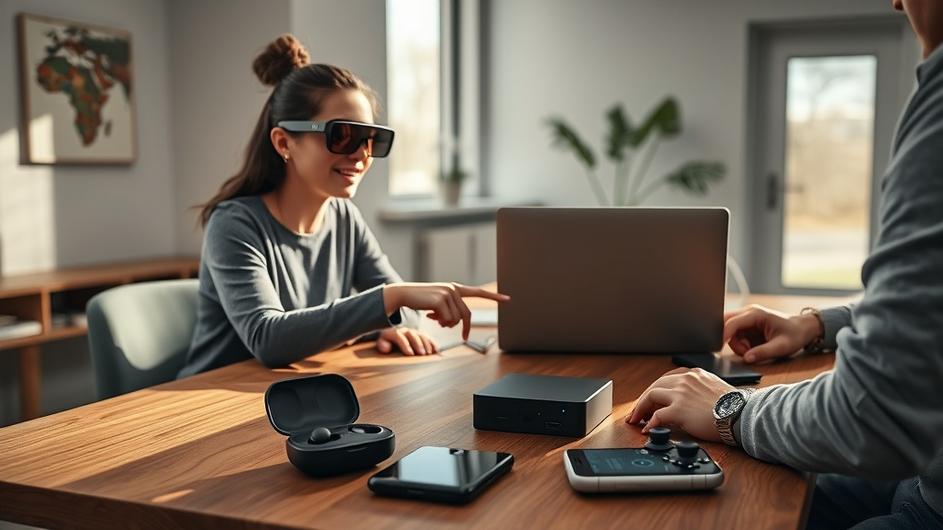
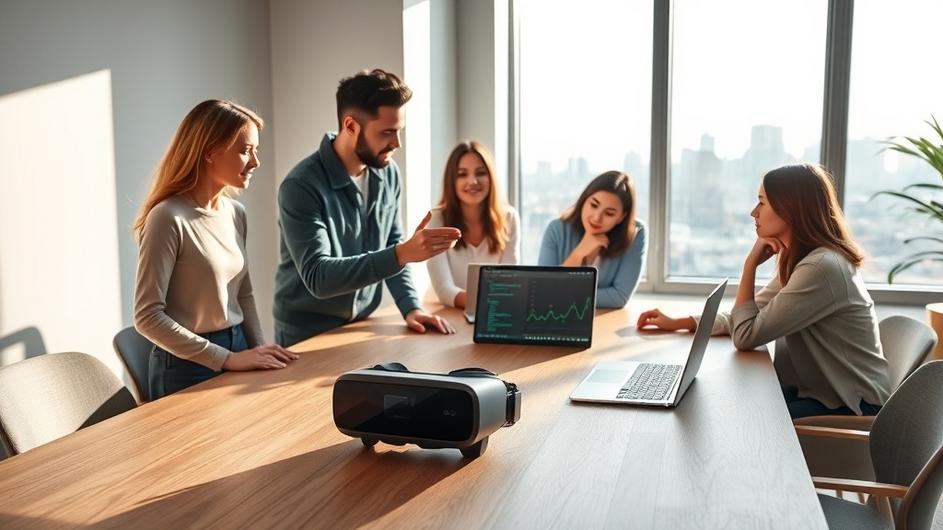
If firmware is the software pulse, then hardware is the skeleton. And right now, augmented reality is growing a new one. Snap’s announcement that its lightweight consumer AR glasses, called Specs, will ship in 2026 marks a pivotal transition. It’s the moment AR moves from developer demos and enterprise pilots to a consumer product with real scale potential.
Specs promise smaller form factors, an on-device AI assistant, and compatibility with Snap’s existing library of millions of Lenses. For developers, this changes everything. Designing for a heads-up display isn’t like optimizing for a phone screen. You’re suddenly dealing with strict performance budgets, power constraints, and completely new input patterns. Your UI needs to be glanceable, interactions need to be short, and latency has to be near-zero.
This shift mirrors what we’ve seen in other wearable tech waves. It forces a fundamental rethinking of design principles. As we’ve explored in our look at wearables and their crypto implications, new form factors create new behaviors, and new behaviors create new markets.

The Great AR Consolidation: Who Controls the Real World?
2025 wasn’t just about new hardware, it was a year of tectonic shifts in who owns the augmented world. The multi-billion dollar sale of Niantic’s games division was more than a corporate transaction. It handed core location-based AR technology and beloved IP like Pokémon GO to new owners.
This consolidation, analyzed by Glass Almanac, changes the economics of place. Experiences that depend on precise location, outdoor games, local discovery, even workforce tools, now answer to different priorities and profit motives.
At the same time, major tech vendors are moving away from monolithic AR platforms. They’re building more composable stacks and developer tools that prioritize portability. The goal? AR content that can run on both a glasses-style device and a smartphone, even if that means trading some fidelity for flexibility. This push for portable experiences is a trend we’re watching across the board, as detailed in our analysis of how 2026 is shaping up to be the year tech grows up.
What Builders Should Do Now: Three Shifts to Watch
So what does this mean if you’re developing software, investing in tech, or planning a product roadmap? The signals point to three concrete shifts.
First, design for portability from day one. Assume your experience needs to work on a giant desktop monitor, a mobile screen, and a glanceable wearable display. Heads-up AR demands interfaces that are minimal, fast, and respect the user’s attention. This isn’t just a design challenge, it’s an architectural one.
Second, privacy and tracking rules are about to get a lot more scrutiny. As bigger players consolidate location tech and AR data flows, regulators and platform owners will take a harder look. Building consent and data minimization into your architecture isn’t just ethical, it’s future-proofing.
Third, treat the first generation of consumer AR hardware as a starting pistol, not a finish line. Early adopters will discover use cases the designers never imagined. They’ll push the platforms in unexpected directions, and the APIs will change in response. Your ability to iterate quickly will matter more than hitting a perfect V1.
The Consumer Vote: Why Sentiment Shapes Roadmaps
None of this happens in a vacuum. Consumer sentiment, expressed through attention and wallets, ultimately steers the ship. This is why industry pulse checks, like Gizmodo’s Readers’ Choice Awards, matter more than they might seem.
Community-driven awards and best-of lists reveal which categories capture both imagination and everyday utility. They show vendors where the loyalty and repeat engagement live. When Samsung tweaks One UI, it’s responding to a mix of competitive pressure and aggregated user feedback. When Snap bets billions on shipping Specs, it’s gambling that consumer appetite for face-worn tech has finally matured.
This feedback loop is accelerating. As we’ve seen in the evolution of smartphones and AI, what users embrace (or reject) today directly shapes the chips, sensors, and software platforms of tomorrow.
Looking Ahead to 2026: The Feedback Loop Accelerates
If 2025 was about laying the groundwork, 2026 looks like the year the feedback loop kicks into high gear. When Snap’s Specs hit retail shelves, they won’t just sell units. They’ll expose the friction points that only real-world usage can reveal. How do people actually wear these things all day? What interactions feel natural, and what feels clumsy?
That real-world data will flow right back into the ecosystem. It will drive firmware updates, API changes, and maybe even hardware revisions. The consolidation in AR will mean fewer gatekeepers for major intellectual property, but it will also concentrate power over infrastructure and data practices. For developers, the opportunity is immense, but it comes with a responsibility to build adaptable, ethical systems.
The connective tissue across astronomy, firmware, and AR glasses is data. The same methods scientists use to validate a faint signal from a distant moon are the ones that will make overlaying digital information on the real world feel seamless and trustworthy. Success in the next phase of tech won’t be about having the single best sensor or the slickest algorithm. It will be about integrating multiple signals, prototyping rapidly, and, most importantly, listening to how people actually use the tools we build.
For those paying attention, 2026 offers a chance to shape a future where discovery, software, and hardware don’t just coexist, they reinforce each other. The signals are there, coming in from the edge. The question is, are you tuned in?
Sources
Gizmodo, “Astronomers Have Found 6,000 Exoplanets, but This Could Be the First Known Exomoon”, Gizmodo, December 1, 2025, https://gizmodo.com/astronomers-have-found-6000-exoplanets-but-this-could-be-the-first-known-exomoon-2000694077
SamMobile, “Samsung Galaxy S24 Ultra One UI 8.5 firmware spotted”, SamMobile, December 4, 2025, https://www.sammobile.com/news/samsung-galaxy-s24-ultra-one-ui-8-5-firmware-spotted/
Glass Almanac, “Snap Reveals Specs Shipping In 2026 – What Changes For Consumers Now”, Glass Almanac, December 1, 2025, https://glassalmanac.com/snap-reveals-specs-shipping-in-2026-what-changes-for-consumers-now/
Glass Almanac, “7 AR Shifts In 2025 That Surprise Developers – Here’s What Changes”, Glass Almanac, December 6, 2025, https://glassalmanac.com/7-ar-shifts-in-2025-that-surprise-developers-heres-what-changes/
Gizmodo, “Vote for the Best Tech of 2025 in Gizmodo’s Readers’ Choice Awards”, Gizmodo, December 2, 2025, https://gizmodo.com/gizmodo-best-tech-of-2025-readers-choice-awards-2000694054