From Exomoons to AR Specs, How 2026 Will Rewire Devices, Software, and Expectations
The tech world in late 2025 feels like it’s accelerating in every direction at once. While astronomers edge closer to confirming the first exomoon ever discovered, down here on Earth, companies are reshaping how we’ll interact with technology in 2026. It’s a strange but telling convergence, where scientific discovery and consumer product roadmaps are pushing each other forward in ways we didn’t expect.
The Cosmic Context
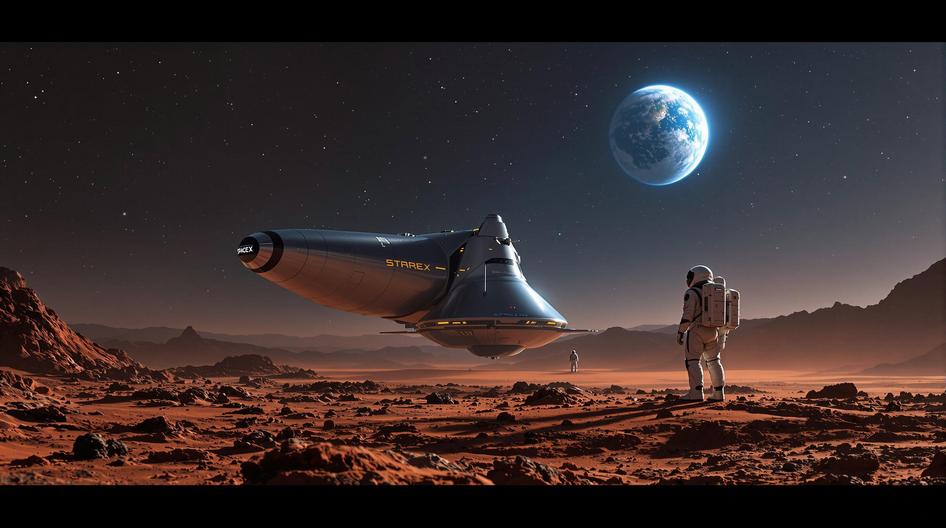
Take the astronomical news first. Researchers have cataloged about 6,000 exoplanets, those distant worlds orbiting stars beyond our sun. Now a team thinks they’ve found something even rarer, evidence of what could be the first known exomoon, a natural satellite orbiting one of those far-off planets.
The significance isn’t just about adding another celestial body to the charts. It’s about the method, something called multi-messenger astronomy, where scientists combine different observational techniques to validate faint signals that might otherwise be missed. For anyone building tech today, that approach should sound familiar. Whether you’re stitching together telescope data or creating an AR experience that blends camera feeds, sensors, and real-time inference, measurement pipelines and cross-validation matter.
AR Gets Real
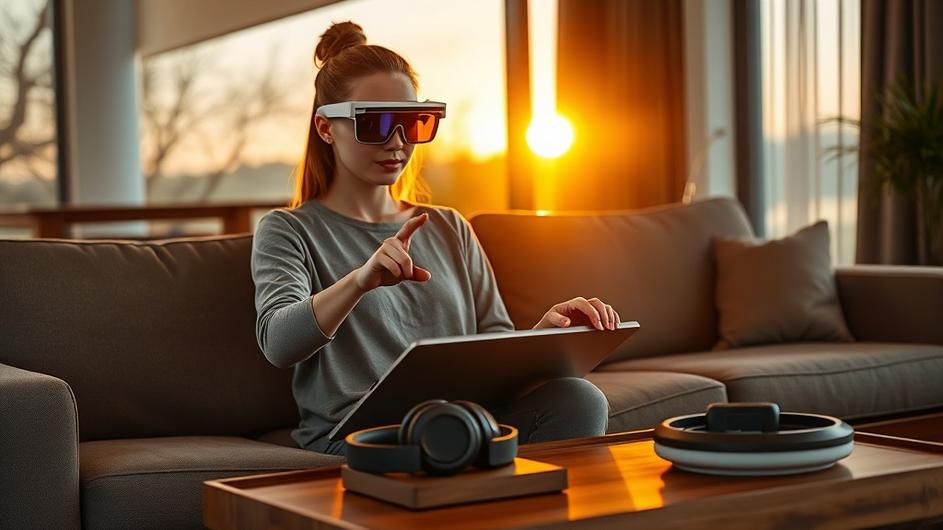
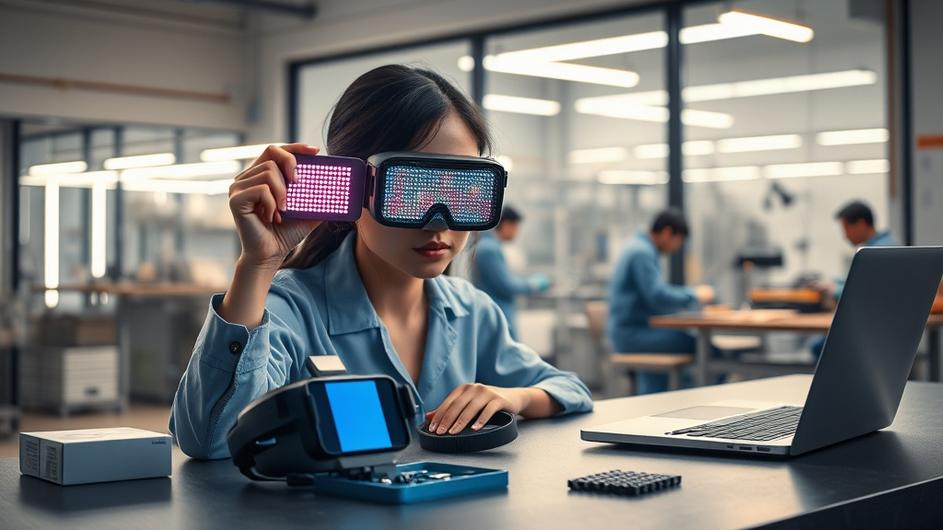
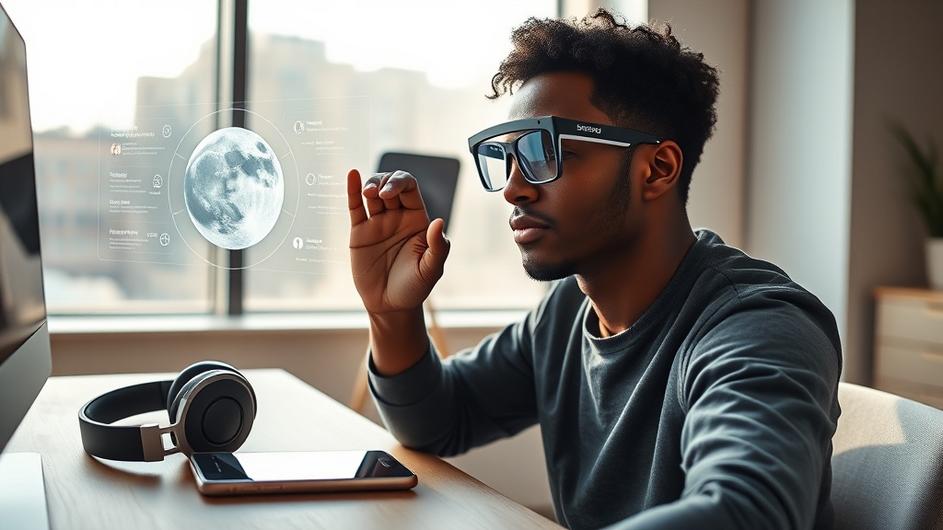
Meanwhile, back on the ground, product timelines are getting real. Snap just announced that its consumer AR glasses, called Specs, will ship in 2026. After years of augmented reality being mostly demos and developer kits, this move from prototype to retail hardware forces the entire ecosystem to adapt.
The announcement about Snap’s Specs shipping timeline matters because it signals a shift. With smaller form factors, integrated AI assistants, and compatibility with Snap’s existing Lens platform, developers might finally reach mainstream users without rebuilding their AR content from scratch. That platform, which already hosts millions of AR experiences, suggests developers should think about portability, efficient asset formats, and designing with user privacy in mind from the start.
If 2026 becomes the year AR glasses go mainstream, it raises some practical questions. How do you design interfaces for eyes-up interactions? What runs locally on the device versus in the cloud, given battery and thermal constraints? And how do platform policies and content moderation evolve when spatial computing moves from phones to faces in public spaces? These aren’t new problems, they’re the same platform and tooling challenges software teams face today, just in a new context.
Platform Shifts and Delays
At the device level, change arrives in more mundane ways. Samsung’s One UI 8.5 beta program, which many expected in November, reportedly got delayed due to shifts in the Galaxy product calendar. For enterprise and indie developers, this isn’t just a calendar change, it affects testing cycles, compatibility planning, and when new APIs become available.
Beta programs are where platform changes meet real-world apps. When that schedule slips, teams face tough choices, hold back new features or build for a moving target. It’s a reminder that software timelines and hardware roadmaps are deeply connected, and delays ripple through the entire development ecosystem.

When Casting Breaks
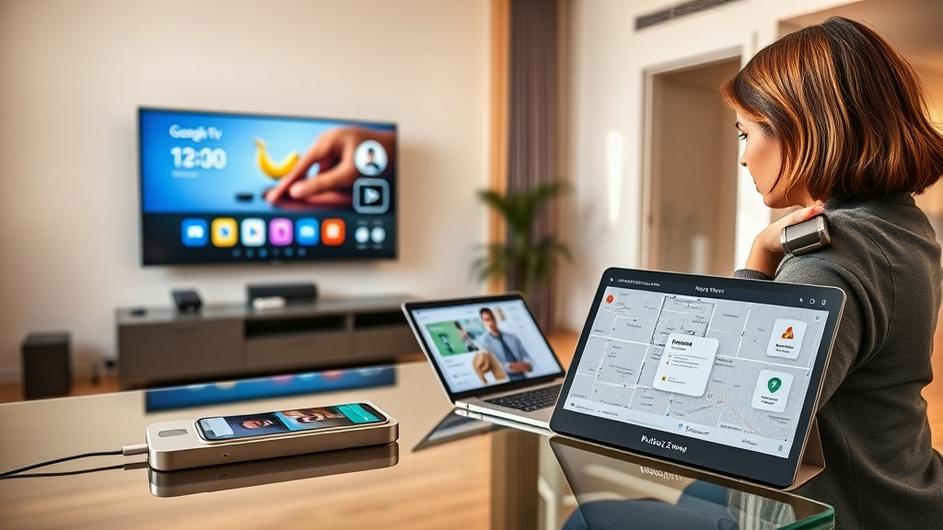
When platforms shift, the content delivery layer often follows. Samsung phone users have noticed changes in how casting to TVs works for services like Netflix. That familiar flow of sending video from phone to television, which relies on standard protocols and sometimes vendor-specific features, can break when a vendor alters the casting path.
For developers building streaming apps or smart TV integrations, this is a nudge to test across more real-world configurations, maintain fallbacks for older protocols, and document behaviors clearly. As this change to Samsung’s casting functionality shows, even established workflows aren’t immune to platform evolution.
Pricing Pressures Everything
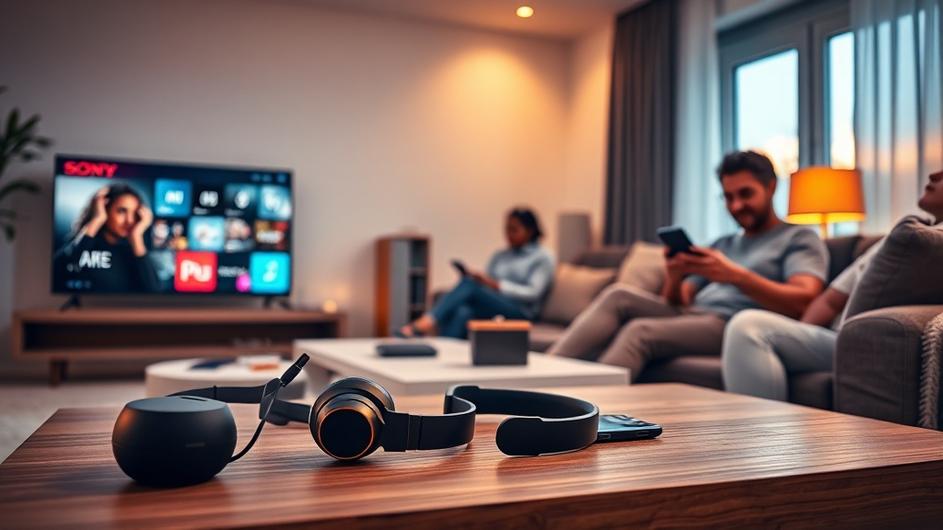
Market dynamics are shifting on the retail side too. Sony’s decision to price its WH-1000XM5 headphones at near-zero profit, significantly undercutting rivals like AirPods Max and Bose, is striking. When a premium brand drops prices this aggressively, it expands the addressable market while forcing competitors to rethink their value propositions.
For hardware makers and component suppliers, moves like this ripple through supply chains, design trade-offs, and marketing strategies. For consumers, it means greater access to high-end features. For developers, it highlights how features once reserved for flagship devices, like advanced noise cancellation or spatial audio processing, are becoming commoditized. This trend toward more accessible premium audio tech reflects broader shifts in consumer electronics, and Sony’s aggressive pricing strategy is just one example.
What This Pattern Means
Together, these stories reveal a pattern worth watching. Scientific discovery pushes sensor technology and data processing forward. Platform owners turn developer demos into mass-market products, raising expectations around form factor, latency, and privacy. Operating system timelines and casting protocols remind us that integration testing and backward compatibility can’t be afterthoughts. Aggressive pricing compresses margins but accelerates adoption, forcing everyone to focus on the features that actually matter to users.
For developers and tech leaders, there are practical implications here. Design with interoperability in mind, whether you’re building AR Lenses, TV streaming apps, or firmware for earbuds. Assume the landscape will change, and build in graceful fallbacks. Prioritize measurement and observability, the same rigor that helps astronomers confirm an exomoon can help you track user flows across devices and networks. And invest in energy and latency optimizations, because wearables and AR devices will demand more on-device intelligence. The teams that manage battery life and thermal constraints will deliver the best user experiences.
This isn’t happening in isolation. These developments are part of the broader gadget landscape reshaping how we think about personal tech. And they’re connected to mobile platform evolution that’s changing what our devices can do.
Looking Toward 2026
Looking ahead, the interplay between discovery and delivery will only accelerate. Scientific needs will continue driving sensors and compute capabilities. Big tech will push promising experiences from labs to store shelves. Competitive pricing will lower barriers for users and developers alike. We’re heading toward a near future where the boundary between experimental tech and everyday devices blurs.
For builders, that means an exciting but demanding environment. For users, it promises richer experiences in more affordable packages. We’re entering a period where telescopes and glasses, phones and headphones, software updates and pricing strategies all matter together. This convergence creates innovation opportunities but demands better coordination across hardware, software, and policy.
The teams that embrace this complexity, and build tools and practices for rapid, reliable iteration, will shape what the next decade of technology looks like. It’s not just about building the next feature, it’s about understanding how scientific discovery, platform shifts, and market dynamics intersect to rewire our expectations of what technology can do.
Sources
Astronomers Have Found 6,000 Exoplanets—but This Could Be the First Known Exomoon, Gizmodo, Mon, 01 Dec 2025 21:15:10 GMT
Snap Reveals Specs Shipping In 2026 – What Changes For Consumers Now, Glass Almanac, Mon, 01 Dec 2025 23:03:32 GMT
One UI 8.5 beta program could begin on this date, mark your calendars!, SamMobile, Wed, 26 Nov 2025 15:06:42 GMT
Sony Goes Zero-Profit on WH-1000XM5, 2x Cheaper Than AirPods Max and Bose, Kotaku, Wed, 26 Nov 2025 00:20:39 GMT
Love casting Netflix from your Samsung phone to TV? This change ends it, SamMobile, Mon, 01 Dec 2025 06:51:22 GMT