2026 Hardware Moment, in Focus: AR Everywhere, Cheaper Compute, and What Developers Should Prepare For
Remember when augmented reality felt like science fiction? Well, 2026 is the year it stops being a demo and starts shipping to real people. We’re at one of those hinge points in consumer tech where AR moves from promising prototypes to mass-market devices, while the silicon powering our laptops and desktops gets quietly more affordable and capable. The result? A messy, exciting, and frankly confusing market for developers and creators. If you build apps, optimize AI models, or design digital experiences, these changes aren’t just interesting—they’re going to matter, and fast.
AR’s Many Paths to Mainstream
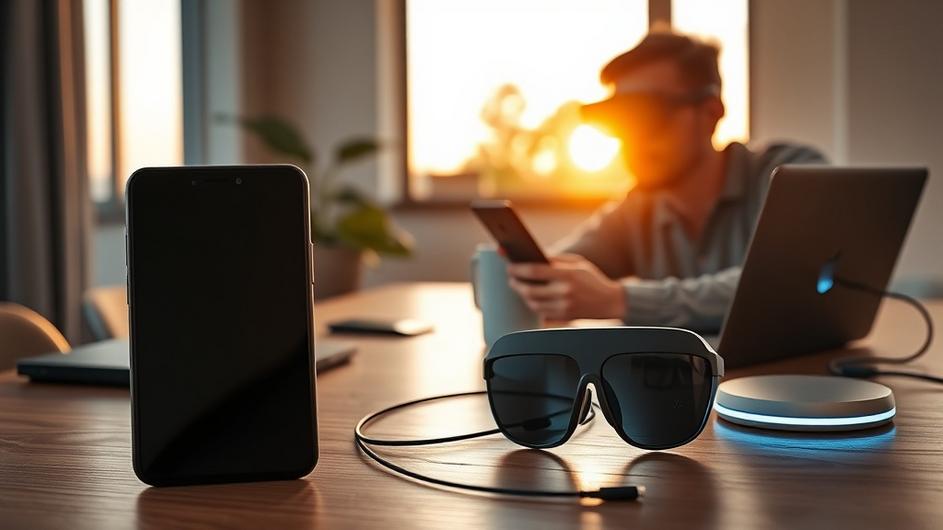
What’s fascinating about 2026 isn’t that AR is going mainstream—it’s how many different routes companies are taking to get there. Big manufacturers aren’t converging on a single vision. Instead, they’re launching everything from phone-tethered glasses to standalone devices pushing serious on-device AI.
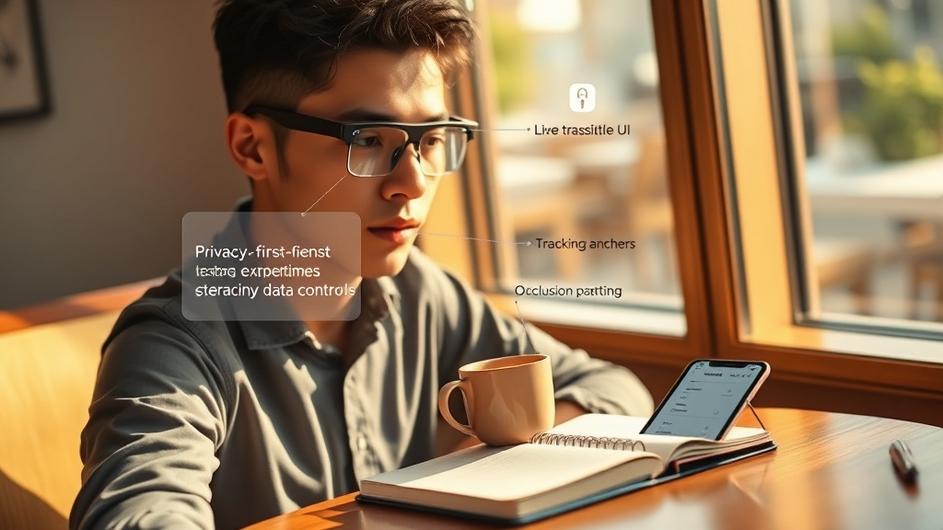
Take Samsung’s approach. They’re planning consumer AR glasses this year that tether to your phone and include an eye-level camera. It’s a practical, phone-centric strategy that acknowledges most people won’t ditch their smartphones anytime soon. Then there’s Alibaba, which shipped its Qwen smart glasses in China with a heavy emphasis on on-device AI for voice commands, real-time translation, and heads-up information. That route prioritizes local inference, which means running machine learning models directly on the glasses instead of shipping data to the cloud. The payoff? Better responsiveness and less privacy exposure.
This diversity of approaches has real consequences. Some vendors are racing to hit lower price points, which expands reach but also squeezes accessory ecosystems. We’ve already seen multiple companies push cheaper AI glasses in 2026, creating useful entry points for consumers while forcing peripheral makers and content partners to move quickly or get left behind. Remember when Xreal canceled its Neo dock? That’s a clear sign that accessory support can be uneven, and that promising AR gaming experiences might lose their lifeline without reliable add-on hardware.
Meanwhile, partnerships like the reported Warby Parker and Google collaboration aim to pair retail distribution with platform scale. Could this make AR more accessible as both a shopping category and a developer platform? It’s looking likely.
| Approach | Example | Key Focus | Target Market |
|---|---|---|---|
| Phone-Tethered | Samsung AR Glasses | Practical, phone-centric | Early mainstream users |
| On-Device AI | Alibaba Qwen Glasses | Local inference, privacy | China market, privacy-conscious |
| Education Focused | Osmo Classroom AR | Curriculum integration | Schools, parents |
| Retail Partnership | Warby Parker + Google | Accessibility, distribution | Mass market shoppers |
Beyond Hardware: Talent Shifts and Market Focus
The hardware story doesn’t exist in a vacuum. Company moves and personnel shifts are quietly reshaping both talent pools and trust dynamics. When an OpenAI hardware lead resigned over governance concerns related to a Pentagon deal—someone who previously led AR glasses work at Meta—it sent ripples through a market where experienced AR hardware engineers are already scarce. These high-profile departures affect how quickly companies can iterate on complex products that combine optics, sensors, and machine learning pipelines.
Different markets are being targeted in different ways too. Osmo is making a comeback with classroom-focused AR, betting that baked-in curricular use cases will stick with parents and schools. Why does this matter? Because practical, repeatable applications are what convert early curiosity into durable platform demand. It’s not about flashy demos anymore—it’s about solving real problems.
The Compute Revolution Happening Underneath
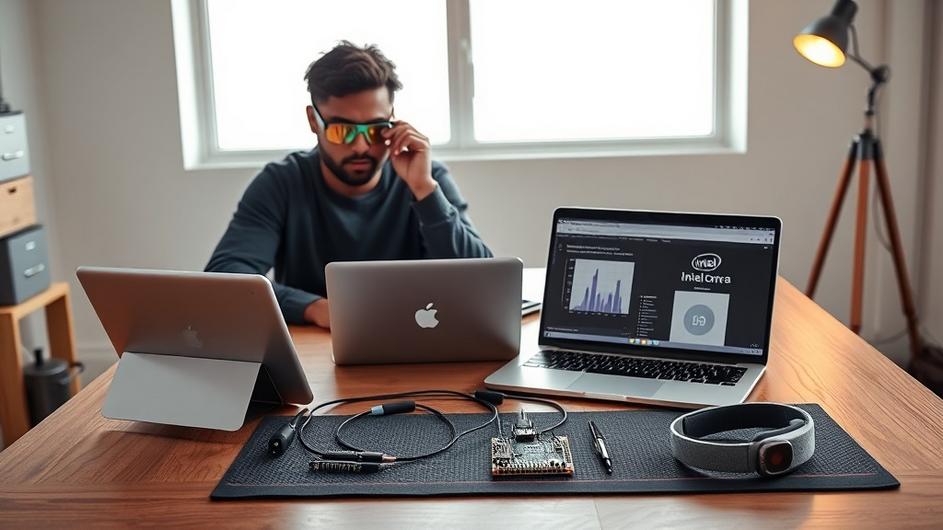
These AR transitions aren’t happening in isolation. At the same time, the silicon powering our laptops and desktops is getting more interesting and, crucially, more affordable. Intel just introduced new Core Ultra parts, including a Core Ultra 7 270K Plus at $299 and a Core Ultra 5 250K Plus at $199. These chips bring newer AI acceleration and power efficiencies into mainstream PC price brackets.
Why should developers care about affordable high-performance compute? Because local model inference, video processing, and spatial computing are compute-hungry tasks. When cheaper, more capable CPUs and accelerators land in consumer devices, you can target richer, lower-latency experiences without assuming cloud compute for every frame. It changes the economics of what’s possible at the edge.
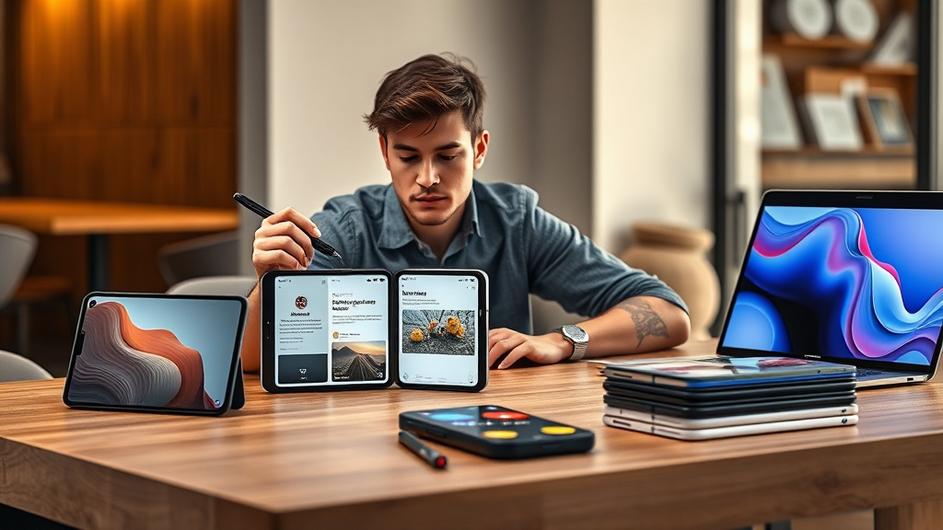
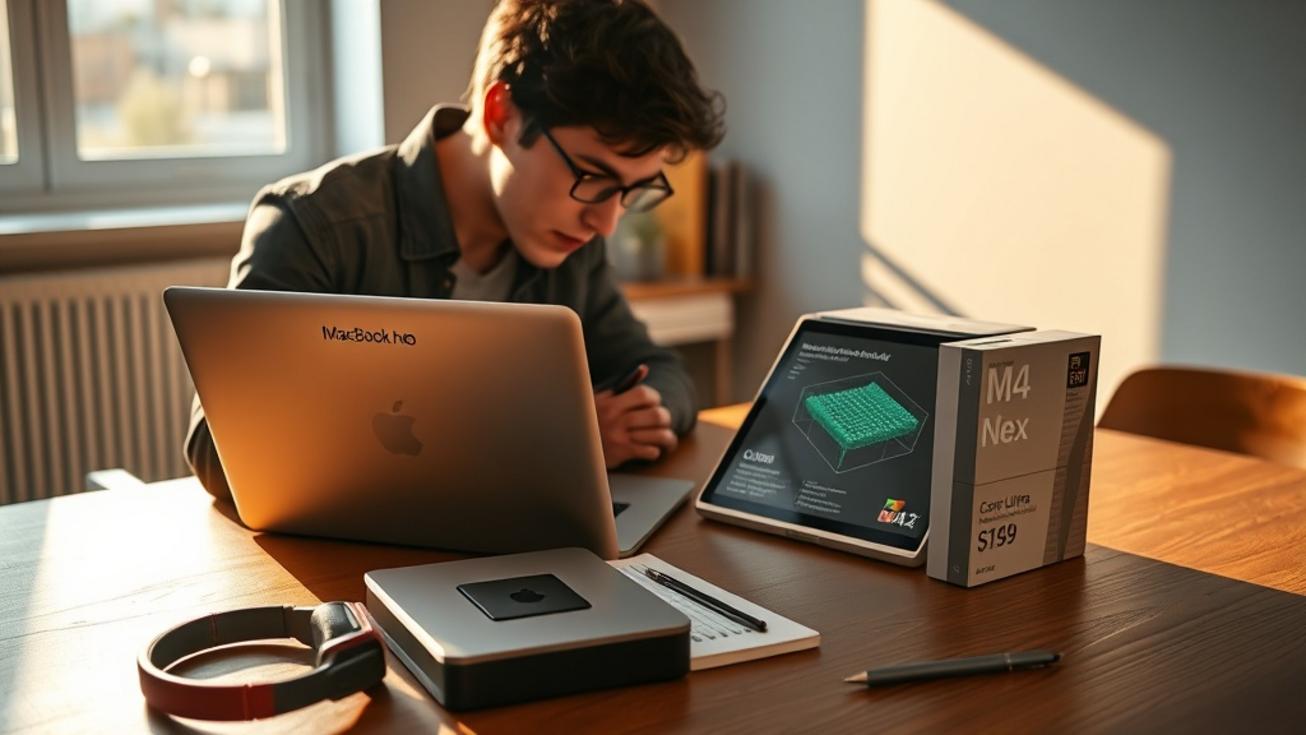
On the platform side, Apple keeps stirring the pot. The new iPad Air with an M4 chip asserts itself as what many consider the best overall tablet for most users, offering serious local compute in a portable form. Apple also introduced the MacBook Neo, a compact laptop priced around $600 that’s already surprising competitors and raising questions about pricing pressure across the industry. These moves matter because Apple’s decisions influence expectations about performance per dollar, and they nudge the software ecosystem toward heavier on-device processing models.
New Tools for New Problems
It’s not just the big players making waves. Qualcomm and Arduino teamed up to produce the Ventuno Q, a new single-board computer targeting AI and robotics. For embedded developers and robotics tinkerers, boards like this mean faster prototyping of vision and control systems with built-in AI. The availability of accessible, integrated boards shortens the feedback loop between idea and working demo, which helps developers iterate on AR peripherals, robot companions, and spatial sensors.
Looking at the range of AR products revealed for 2026, it’s clear we’re entering a phase where cheaper, smarter devices multiply both opportunities and complexity. More accessible AR hardware means new markets for spatial apps, but it also raises the bar for robust, low-latency user experiences. Affordable CPUs and single-board computers bring local AI within reach, yet they also raise questions about developer skills, testing matrices, and privacy tradeoffs.
What This Means for Builders
So what should engineers and product leads actually do with all this? Let’s break it down without the robotic bullet points.
First up, prioritize flexible architectures. You’ll be designing for a spectrum of devices, from tethered glasses that lean on phones to standalone units running on-device models. Make your compute and networking expectations configurable, and avoid one-off optimizations that only suit a single form factor. Think about how your AR applications can work across different hardware approaches.
Second, optimize for edge inference. Smaller, well-quantized models that trade a little accuracy for big wins in latency and power will deliver better user experiences on both glasses and budget laptops. This isn’t just about performance—it’s about battery life and responsiveness.
Third, plan for fragmented accessory ecosystems. If a promising wearable loses a dock or a peripheral supplier, your application should degrade gracefully, not catastrophically. Look at how the mobile wave is rewriting device expectations and apply those lessons to your AR strategy.
Finally, invest in tooling that can cross-compile and profile across ARM and x86 targets. Consumer silicon diversity is rising, and you don’t want to be caught with platform-specific bottlenecks. The 2026 hardware moment is about more than just new devices—it’s about new development paradigms.
Looking Ahead: Rapid Iteration and Price Compression
What comes next? Expect rapid iteration and continued price compression. Companies that offer useful, repeatable experiences will win hearts and pockets, while developers who standardize for local inference and device variability will ship faster and scale better. The coming months will reveal which hardware bets yield durable platforms, and which will remain curiosities.
As top AR devices surprise buyers in 2026, the landscape rewards experimentation, careful optimization, and a readiness to build for both the cloud and the edge. It’s not about choosing one over the other—it’s about designing systems that can leverage both effectively.
The redefinition of wearables through AR glasses and flexible AI chips is already underway, and the implications extend far beyond consumer gadgets. From education to enterprise, healthcare to retail, the hardware shifts of 2026 are setting the stage for the next decade of computing.
For now, keep an eye on how the new playbook for AR OS upgrades and device security evolves. The rules are being rewritten, and developers who understand both the technical and market dynamics will be best positioned to build what comes next.
Sources
Glass Almanac, 7 AR Products Revealed For 2026 That Could Change Your Tech Picks, Mar 13 2026
Glass Almanac, Top 7 AR Devices And Moves In 2026 That Surprise Buyers – Here’s Why, Mar 16 2026
Engadget, The Morning After: The new iPad Air M4 is Apple’s best overall tablet, Mar 10 2026
VideoCardz, Intel announces $299 Core Ultra 7 270K Plus and $199 Core Ultra 5 250K Plus CPUs, Mar 11 2026
CNET, MacBook Neo Launches Apple Into a Cooler Era (With a Mascot?), Mar 13 2026