
2026 Hardware and AI at the Tipping Point: From iPhone Rumors to Real-World Smart Homes
January 2026 isn’t just another month on the calendar. It feels like the entire consumer tech industry is holding its breath, waiting to see which bets will pay off and which will fizzle. Chips, displays, and artificial intelligence aren’t just features anymore. They’re rearranging product roadmaps, turning science fiction into supply chain headaches, legal battles, and real consumer choices. This is the year devices have to prove their worth, moving from cloud-first experiments to practical, on-device tools that earn their keep in our homes and pockets.
Apple’s Multi-Front Strategy
As usual, Apple sits at the center of the conversation. New leaks around the iPhone 18 Pro have cleared up some conflicting rumors while revealing a broader play. The company is mixing incremental hardware improvements with a much stronger push into AI services. We’re hearing about an advanced Siri chatbot in development, plus continued work on the Apple AI Pin, that small wearable designed to surface AI features without needing a phone.
At the same time, reports suggest Samsung has kicked off production of OLED panels for a refreshed MacBook Pro. Apple might ship five all-new products this year, including a smart home hub and a Face ID doorbell. These moves show Apple hedging its bets across form factors, from classic laptops to entirely new categories that depend on both premium components and smarter software. It’s a classic Apple play, but the stakes feel higher now.
The Component Chess Game
That component story matters more than you might think. When Samsung flips a production line to make OLED laptop displays, it’s not just about brighter pixels. It signals real confidence that the market for premium portable hardware will keep growing. More importantly, it creates new dependencies. Companies that once controlled their own destinies now rely on partners for display supply. That means product timing and availability can be shaped as much by factory schedules as by design teams.
This supply chain reckoning is reshaping how everyone plans their hardware roadmaps. You can’t just design a great product anymore. You need to secure the components to build it, and that’s becoming a strategic challenge in its own right.
AI Moves In-House
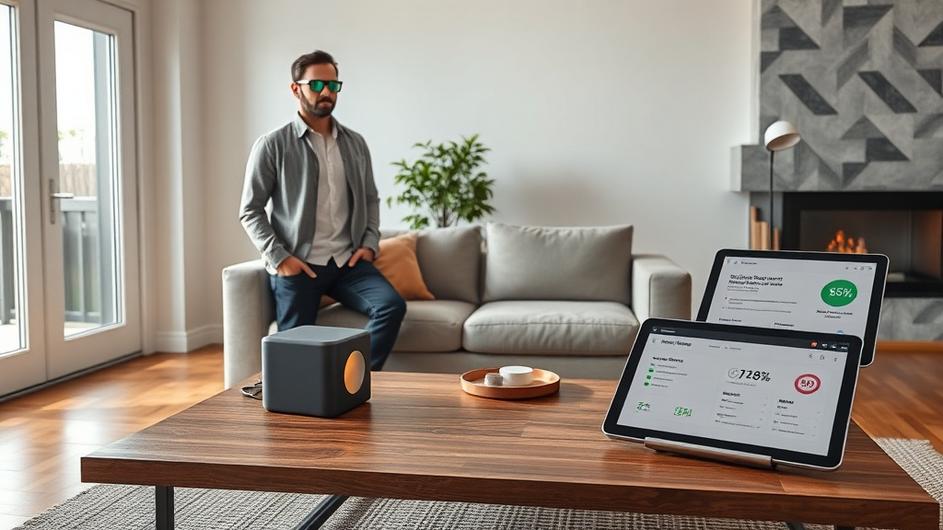
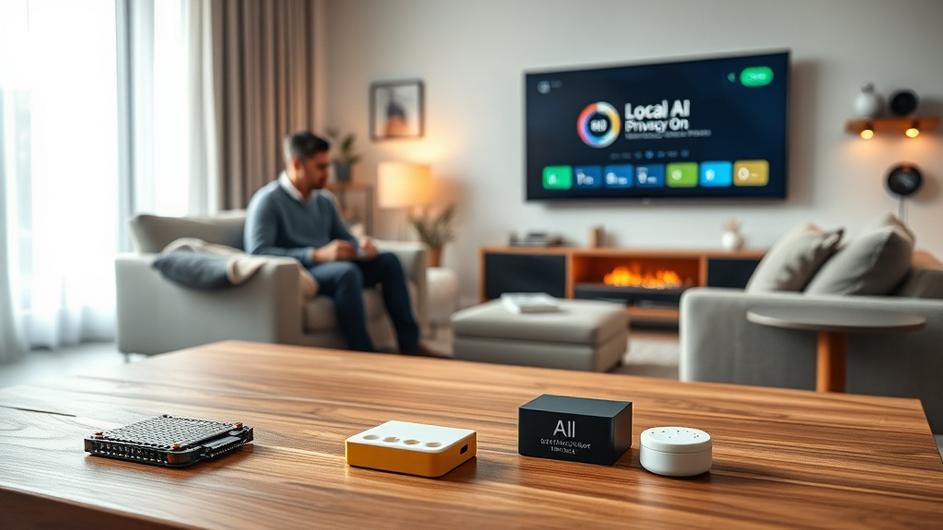
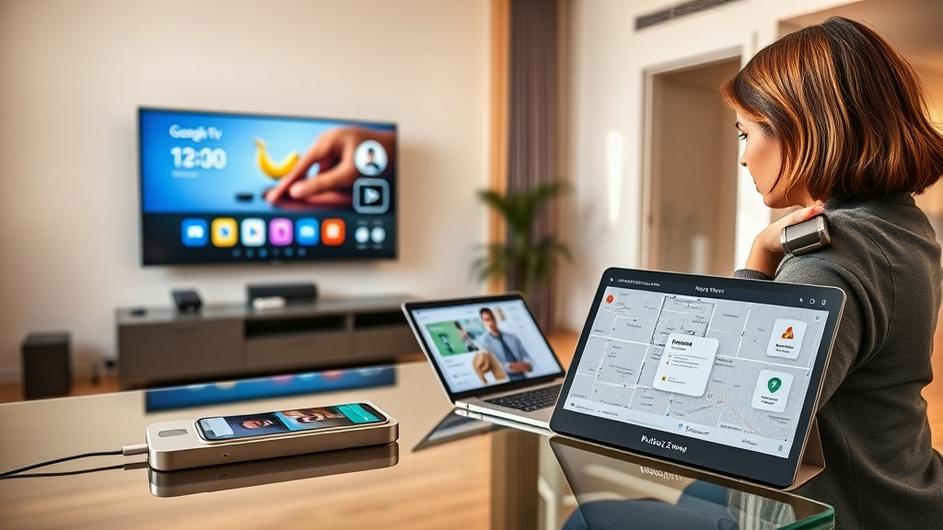
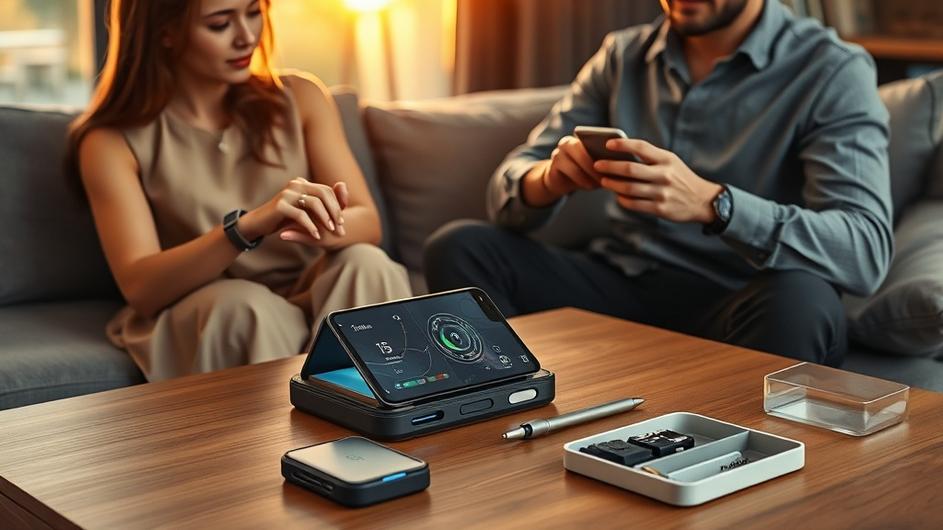
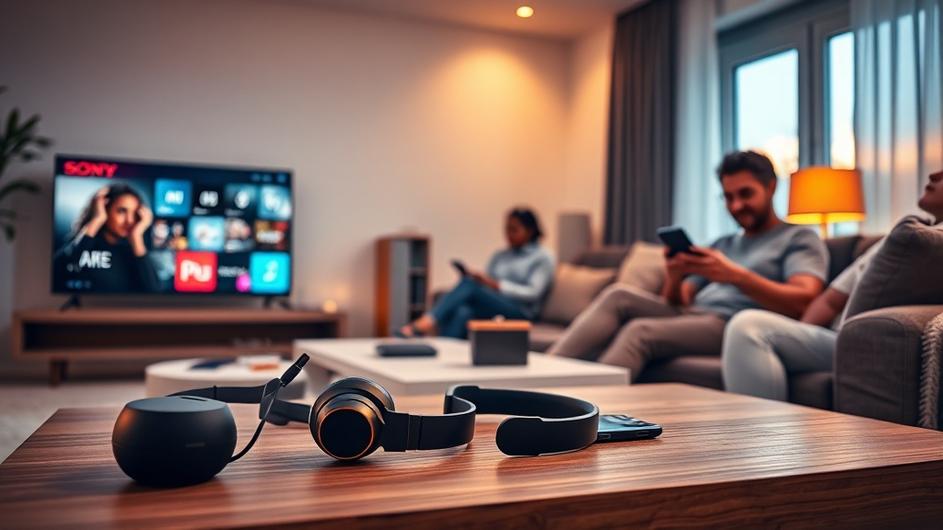
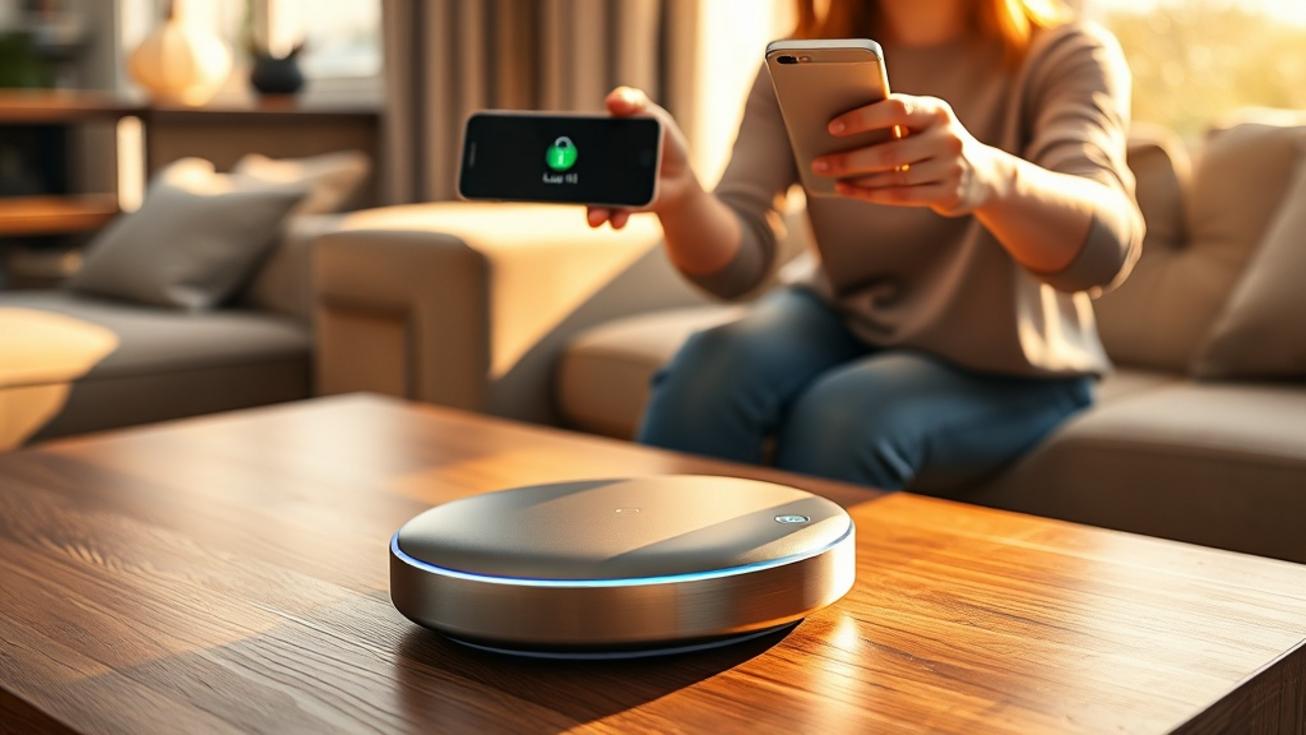
One of the biggest shifts we’re seeing is the migration of AI from cloud services to local devices. This isn’t just a technical change. It’s driven by real concerns about privacy, latency, and cost. Gadget Review recently highlighted a new class of smart home hubs that use on-device AI to run automations without sending every bit of data to the cloud.
On-device AI means the model runs on the gadget itself, not on remote servers. This preserves user data while speeding up responses. Products like the OVAL hub come with higher price tags than legacy hubs, but they promise a level of privacy and utility that more consumers are willing to pay for. It’s part of a broader trend we explored in our look at when AI left the cloud and entered the real world.
Smart Homes That Actually Save Money
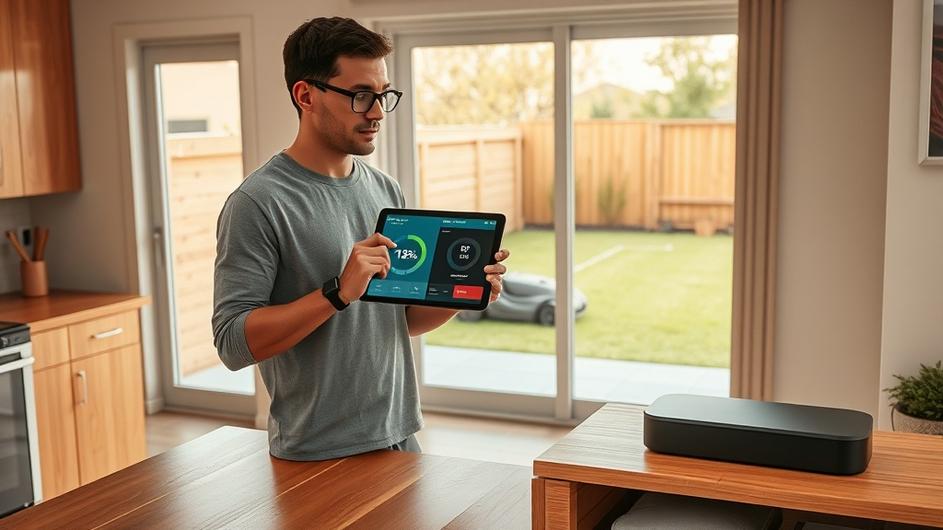
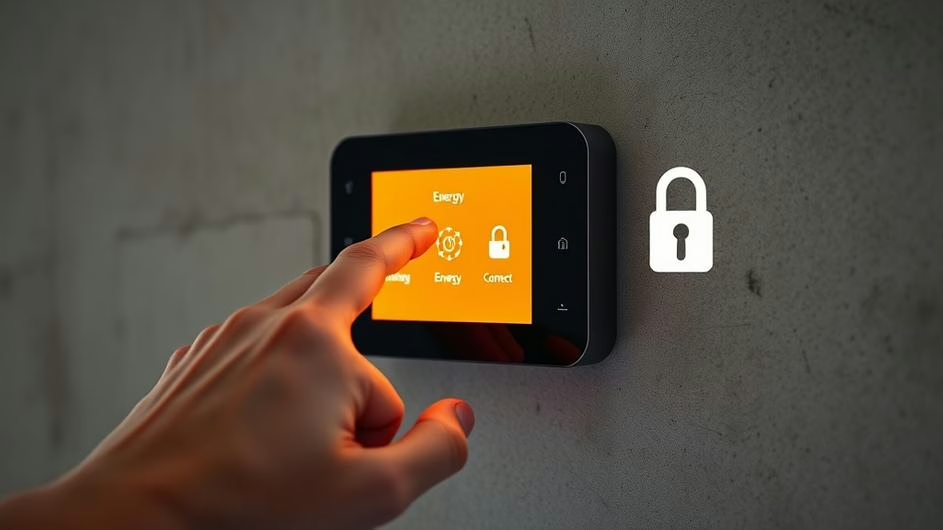
Practical smart home tech is finally learning to deliver real savings, not just convenience. The list of gadgets that can actually cut your bills in 2026 includes LiDAR-equipped robot mowers, which use laser-based distance sensors to map lawns efficiently, and energy optimization devices that shift heavy appliance loads to cheaper grid hours.
That shift from novelty to measurable benefit is what will make or break the smart home industry this year. Consumers don’t want toys anymore. They want reliable automation that reduces energy costs and respects their privacy. It’s about balancing convenience with scrutiny, and the market is finally catching up to that demand.
The Wearables Moment Meets Patent Wars
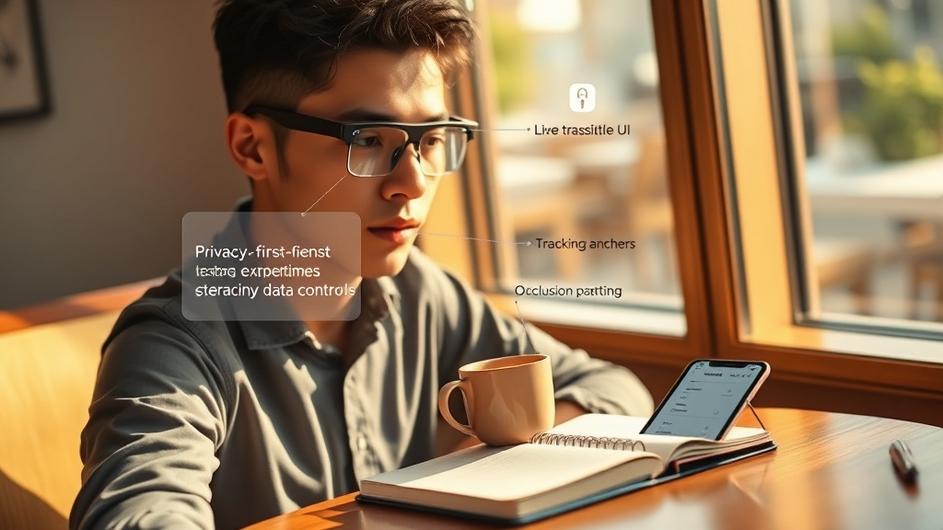
CES 2026 made one thing clear: wearables are having a moment. Smart glasses and AR devices appear to have reached a mainstream threshold, with models offering high refresh rates and polished software. But getting from prototype to mass market is never guaranteed.
Patent fights are already shaping who can sell what. A recent legal saga revealed injunctions across nine countries, a stark reminder that intellectual property disputes can create serious choke points for otherwise ready products. For buyers, this can mean delayed availability, fragmented regional offerings, or higher prices as manufacturers build legal risk into their costs.
Legal Risk Meets Fierce Competition
Legal risk intersects with competition in other ways too. OpenAI teasing a hardware device has kept the entire industry on edge. Meanwhile, companies like Lenovo and Nvidia continue pushing their own AI hardware visions, from personal AI assistants to vehicles using machine learning for autonomous driving.
Big bets on hardware require equally big investments in software, ecosystems, and legal clarity. If the legal foundation is shaky, companies face not only injunctions but also a slower path to earning consumer trust. It’s a complex landscape where tech leaders must navigate multiple fronts simultaneously.
The Price Stability Squeeze
Price stability is becoming another pressure point. Samsung reportedly hopes to avoid raising the retail price of its next Galaxy S26 Ultra, but that might come at the cost of trimming pre-order perks and other incentives. In a market where margins are under constant scrutiny, manufacturers are getting creative about where consumers feel the impact.
They’re keeping sticker prices stable while removing the extras that once justified early adoption. It’s a subtle form of cost shifting, and it influences buyer behavior just as much as changes to product availability or software features. Consumers are getting smarter about what they’re really paying for.
What It All Means for Builders and Buyers
Taken together, these developments paint a picture of a tech landscape where hardware, software, legal strategy, and business model design are tightly coupled. The companies that succeed will be those that balance component supply, on-device intelligence, and legal clearance while delivering clear consumer value.
For developers and product teams, this means focusing on interoperability, privacy-preserving AI techniques, and making resilient supply assumptions. It’s no longer enough to build a great product. You need to build a product that can survive the journey to market, as we discussed in our analysis of what 2025’s standout tech tells us about the next wave.
Looking Ahead: The Cultural Shift
The coming months will test which trends become mainstream. Will on-device AI become the default expectation for privacy-sensitive features? Can AR glasses escape patent wars and scale sensibly? Will wearables and smart home devices pivot from novelty to necessity by delivering measurable savings?
The answers will shape not only the devices we buy but also the architectures developers build on, from edge-friendly models to modular apps that can handle intermittent cloud access.
If 2026 continues at its current pace, the biggest change might be cultural. Devices will be judged less by their specs and more by the value they deliver quietly, day to day. That’s a profound shift for an industry that has long equated progress with higher numbers and flashier demos.
The winners will be those that translate engineering advances into predictable savings, stronger privacy guarantees, and fewer surprises at checkout. Because in the end, that’s what consumers actually care about.
Sources
Top Stories: iPhone 18 Pro Leaks, Siri Chatbot, Apple AI Pin, and More, MacRumors, Sat, 24 Jan 2026
9 Smart Home Gadgets That Will Actually Deliver Real Savings in 2026, Gadget Review, Tue, 20 Jan 2026
OpenAI’s Mysterious Upcoming Device, Higher Streaming Prices in 2026, Portugal Cracks Down on Polymarket | Tech Today, CNET, Wed, 21 Jan 2026
Patent Fight Reveals 9-Country Injunction In 2025 – Here’s What Changes Now, Glass Almanac, Sat, 24 Jan 2026
Galaxy S26 Ultra may not see a price hike, but it could cost you in other ways, SamMobile, Tue, 20 Jan 2026