2026 Device Moment: Apple’s Product Blitz, the AR Glasses Surge, and What It Means for Developers
If you thought 2025 was a busy year for consumer tech, buckle up. The opening months of 2026 are shaping up to be something else entirely. We’re looking at a perfect storm where Apple’s traditional hardware refresh cycle collides with augmented reality finally making its move from developer labs to retail shelves. It’s not just about new gadgets, it’s about a fundamental shift in how we’ll interact with software, and developers need to pay attention.
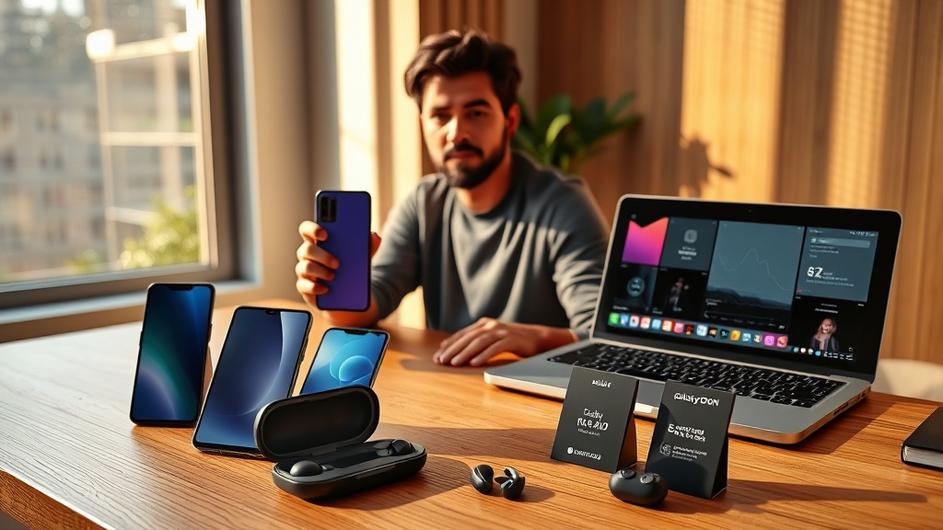
Let’s start with the elephant in the room. According to Bloomberg’s reporting, Apple is gearing up for what looks like a coordinated assault on multiple fronts. The rumored iPhone 17e aims to bring more users into the iOS ecosystem with a lower price point, while refreshed iPads and Macs are expected to keep pace as PCs and tablets adapt to AI-first workflows. But here’s what really matters for builders: Apple’s software updates, including what appears to be a retooled Siri, suggest the company is serious about blending on-device speed with cloud intelligence.
What does that mean in practice? Engineers will need to get familiar with evolving APIs for on-device machine learning and privacy-preserving features. They’ll also have to consider the performance profiles of more affordable hardware that could significantly broaden Apple’s install base. It’s a classic Apple move, expand the ecosystem while tightening integration between hardware and software.
The AR Landscape Accelerates
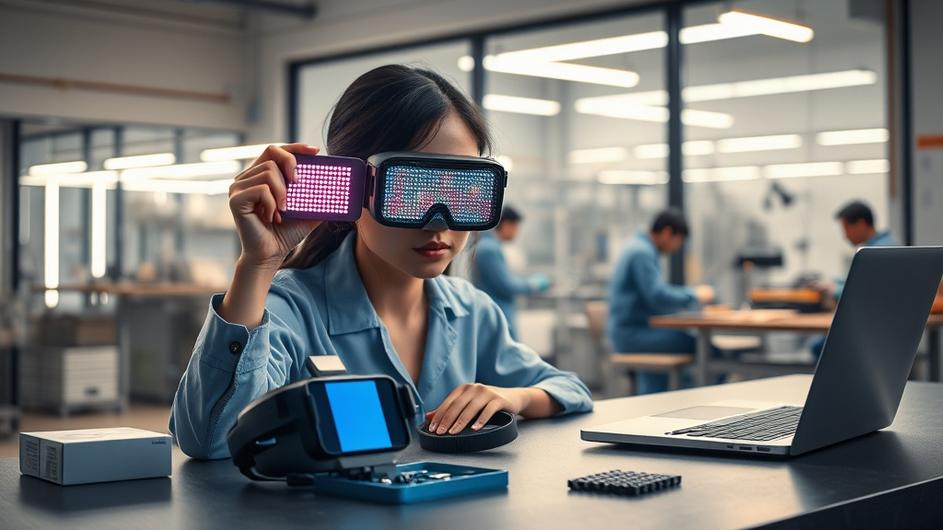
While Apple does its thing, the augmented reality space is undergoing its own transformation. Remember when AR glasses were just prototypes and developer kits? That’s changing fast. Snap’s decision to spin out Specs Inc into a standalone unit tells you everything you need to know about where this market is headed.
Building and scaling hardware requires a different kind of capital and investor profile than running an ad-driven social app. By creating a separate entity, Snap can pursue outside funding specifically for product development without entangling its core Snapchat business. It’s a pragmatic move that acknowledges the economic realities of hardware, something we’ve seen play out across the tech landscape.
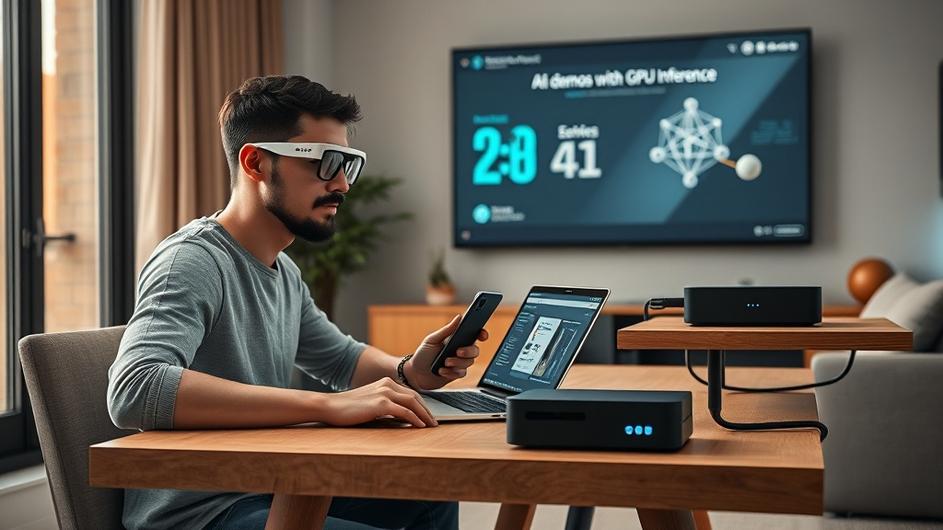
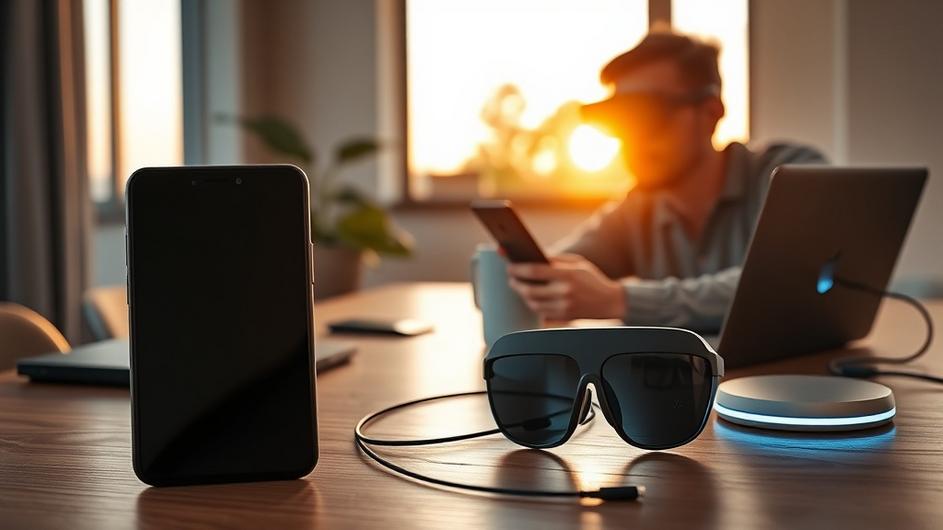
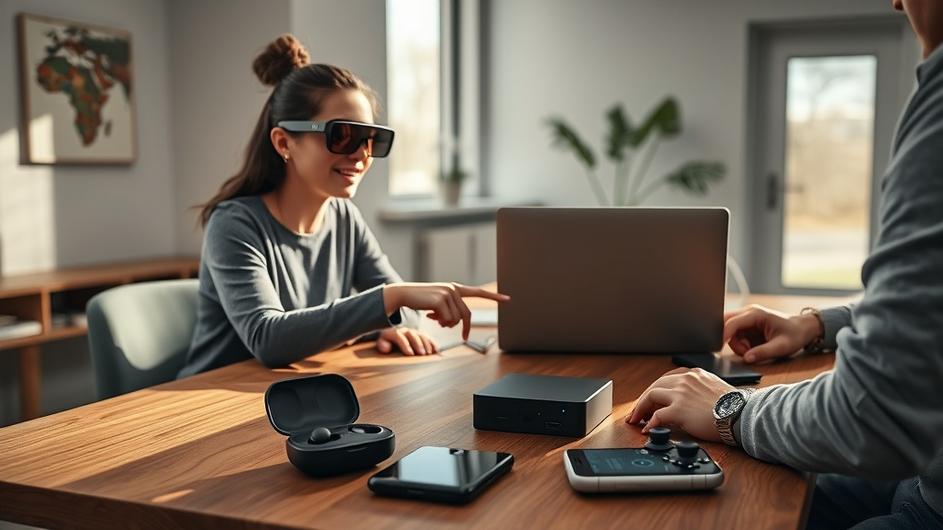
This structural shift matters because 2026 is shaping up to be the year when several AR devices actually hit the market. According to Glass Almanac’s analysis, we’re looking at everything from high-refresh-rate gaming glasses pushing 240 Hz to mass-market AI glasses from partnerships like Warby Parker and Google. The range of form factors and use cases is widening dramatically, and for clarity, we’re talking about wearable displays that overlay digital content on your view of the real world, not the fully immersive virtual reality that replaces everything.
Why Gaming Momentum Matters
Here’s an interesting data point that might seem unrelated at first. Overwatch just hit its all-time player count peak on Steam, more than two years after it first released on the platform. That’s not just a gaming story, it’s a lesson in how audiences and developers can renew engagement through updates, platform availability, and community momentum.
That momentum translates directly into opportunities for AR experiences. Imagine heads-up stat overlays for competitive games, immersive spectator modes, or peripheral displays that reduce your reliance on a phone or monitor. The hardware and software ecosystems are feeding each other in ways that create new possibilities for developers who understand both worlds.
The Developer’s Playbook for 2026
So what should you actually do if you’re building apps, middleware, or hardware? Let’s break it down without the robotic “first, second, third” approach.
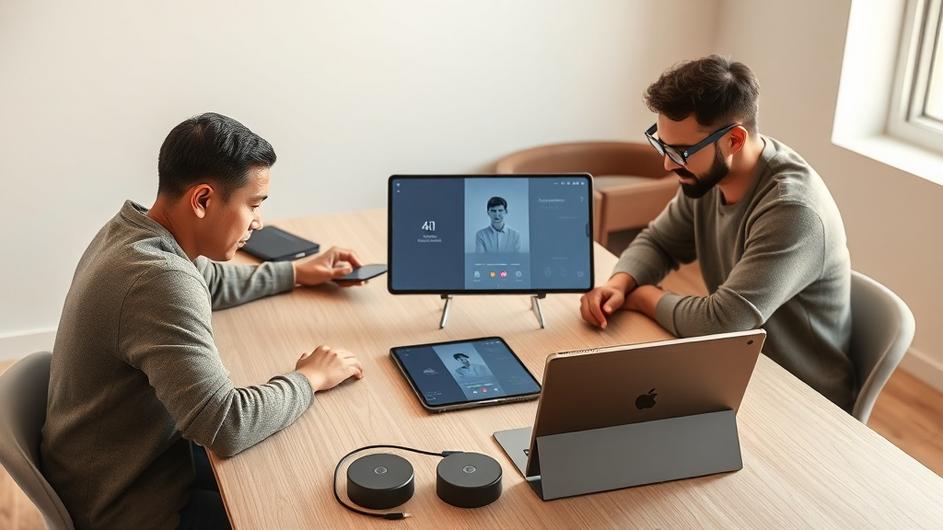
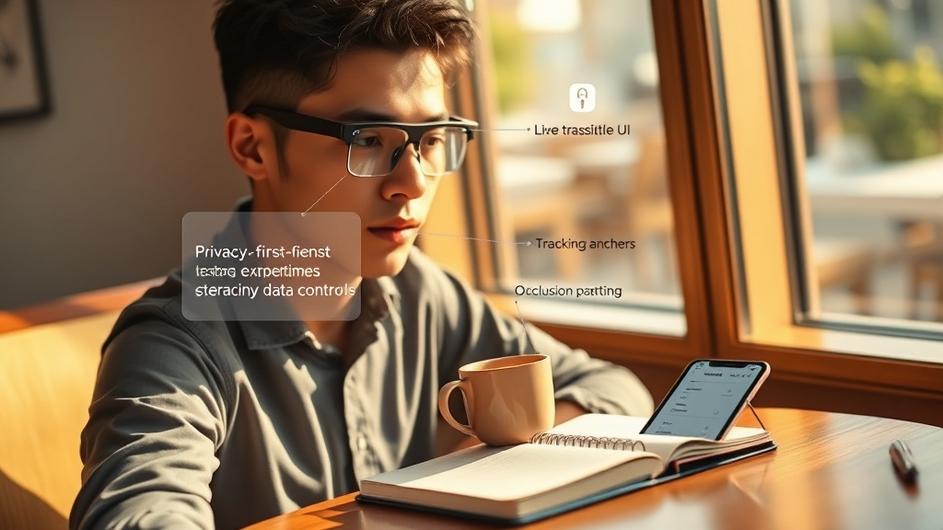
Start by designing for multiple interaction surfaces. Experiences that currently live on phone screens need to be reimagined for glanceable displays and voice or gesture input. Think about how your app would work when someone’s wearing glasses instead of holding a phone. This isn’t just about porting existing interfaces, it’s about rethinking the entire interaction model.
Expect new distribution channels and monetization models. AR hardware vendors will want apps and services that demonstrate value in minutes, not hours. That favors utility and low onboarding friction over complex feature sets. If you can’t show someone why your app matters within their first few glances, you’ve already lost them.
Performance and latency become non-negotiable. High refresh rate displays and esports-quality gear highlight how sensitive users are to lag. Even small delays can break immersion or competitive fairness. This is where the rubber meets the road for AR experiences, and developers who optimize for these constraints will have a significant advantage.

Privacy and Platform Realities
Devices with always-on sensors and contextual AI raise legitimate questions about data handling, consent, and local inference. Apple’s emphasis on on-device processing suggests one path forward, while other platforms may lean more heavily on cloud compute. The smart move? Build modular architectures that allow switching between local and remote inference based on user preferences and device capabilities.
This convergence of mainstream smartphone evolution and consumer AR creates both opportunities and challenges. As we’ve seen in our coverage of how AR glasses and flexible AI chips will redefine wearables, the technical landscape is shifting rapidly. Developers need to stay ahead of these changes to build experiences that actually work in the real world.
Where Value Actually Lands
Let’s be honest, AR promises new user interfaces, but history shows that software wins by solving real problems in ways users actually understand. Early hits will likely be gaming adjuncts, productivity helpers that reduce context switching, and accessibility tools that reframe how people interact with information.
Think about it this way, what problem does your app solve that becomes even more valuable when it’s available at a glance? That’s the question developers should be asking as we move into this new phase of computing. As we explored in our analysis of the new playbook for AR OS upgrades and device security, the rules are being rewritten in real time.
The Supply Chain Reality Check
Before we get too excited, let’s acknowledge the challenges. Hardware projects require long lead times, supply chain resilience, and serious capital. We’re already seeing memory shortages and supply pressures in other parts of the industry, which can slow product rollouts or affect pricing.
That reality is part of why spin-off strategies make sense for AR hardware. They let teams pursue aggressive product roadmaps while giving investors clearer visibility into hardware margins, manufacturing risk, and unit economics. It’s a pragmatic approach to a notoriously difficult business.
Looking Ahead to Distributed Interfaces
2026 might be remembered as the year devices diversified from single-screen phones to a broader network of wearable and ambient displays. This change won’t happen overnight, and plenty of experiments will fail, but the baseline is shifting.
If you’re building for this future, start imagining distributed interfaces rather than isolated screens. Learn to measure latency and glance time, architect for adaptable inference, and prioritize experiences that respect attention and privacy. These practices will determine who shapes the next chapter in user interfaces.
The convergence we’re seeing isn’t accidental. As detailed in our coverage of how 2026 is where platforms meet hardware, we’re at an inflection point where multiple trends are aligning. Apple’s product blitz expands the base of capable devices while shifting expectations for natural interactions through Siri upgrades. Meanwhile, independent hardware efforts and brand partnerships are making AR glasses a real option for consumers, not just enthusiasts.
For the developer community, this means rethinking input models, performance budgets, and privacy architectures while seizing the chance to craft the first wave of meaningful AR experiences. It’s a challenging but exciting time to be building software, especially when you consider how agentic models and creative AI are rewriting developer workflows.
The Bottom Line for Builders
Here’s what you should take away from all this. The hardware landscape is diversifying faster than many expected, and software needs to keep pace. Whether you’re working on mobile apps, desktop software, or something entirely new, consider how your experiences translate to glanceable displays and voice interfaces.
Pay attention to the performance characteristics of emerging hardware, especially around latency and power consumption. Build with privacy in mind from the start, because devices with always-on sensors will face intense scrutiny. And most importantly, focus on solving real problems rather than chasing shiny new interfaces.
As we move through 2026, we’ll be watching how these trends play out in real products and real user experiences. The companies and developers who get this right won’t just be building apps, they’ll be shaping how we interact with technology for years to come. And if you’re looking for more insights into where this is all headed, check out our analysis of how Apple, Meta, and Snap are racing to make AI and AR the next hardware story.
The pressure is on, but for developers who understand both the opportunities and constraints, 2026 could be their most exciting year yet.
Sources
- Apple Prepares to Kick Off 2026 With the iPhone 17e, New iPads and Macs, Bloomberg, 08 Feb 2026
- Snap Reveals Specs Inc. Subsidiary in 2026 – Why Investors Should Care, Glass Almanac, 06 Feb 2026
- 7 AR Glasses Releasing In 2026 That Could Upend Your Phone Habit, Glass Almanac, 09 Feb 2026
- 11 new Apple products tipped for 2026 — iPhone 17e, cheap MacBook, iOS 26.4 with new Siri and more, Tom’s Guide, 09 Feb 2026
- Overwatch just hit its all-time player count peak on Steam, clocking in over 165,000 players, more than two years after it first released on the platform, PC Gamer, 11 Feb 2026