
2025 in Hardware, AI, and the New Wearable Moment
Remember when AI was mostly about software and cloud services? 2025 changed that conversation completely. This was the year hardware stopped being an afterthought and became the main event for artificial intelligence. We saw imagination crash into commercial reality, producing everything from playful experiments to serious strategic moves. From tri-fold phones that finally made bending screens useful to pendant recorders promising always-on assistants, 2025 was all about making AI feel seamless, ambient, and genuinely human.
The Hardware Renaissance
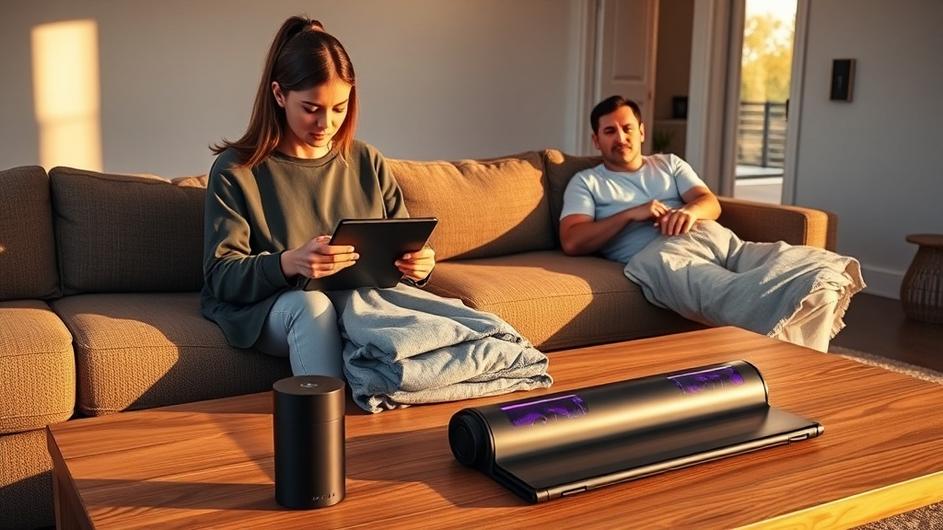
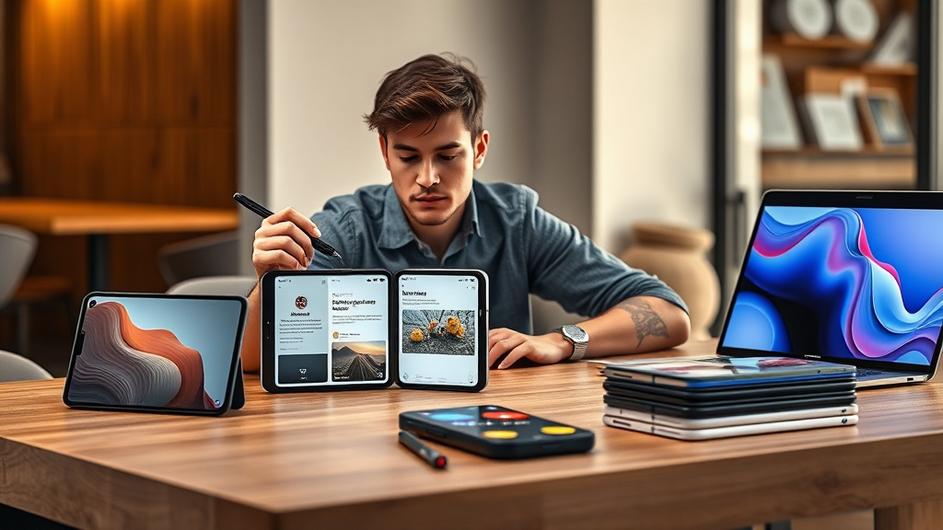
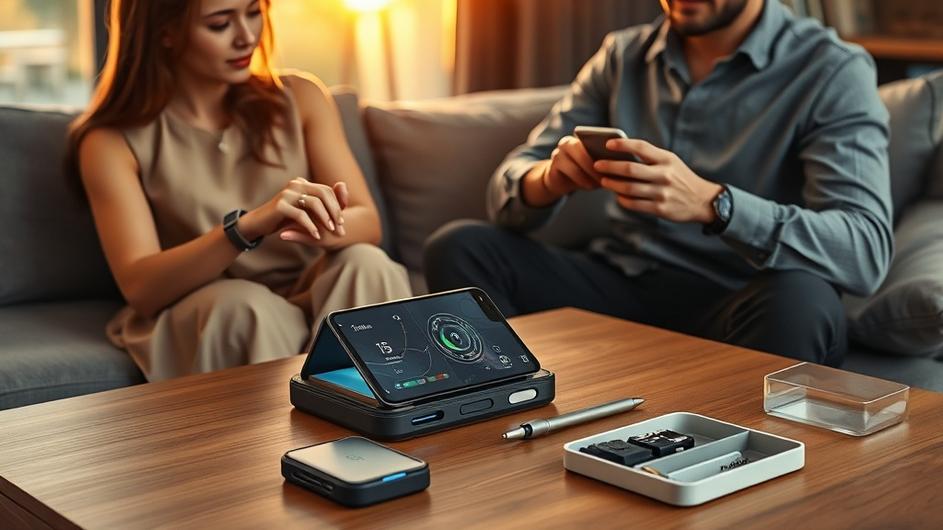
Early in the year, companies chased wildly different visions of what computing should look like when intelligence is everywhere. Some went for polished, high-end experiences, while smaller teams pursued eccentric, human-scale projects that felt like design fiction come to life. Editors and testers called out several defining products, including a tri-fold phone that proved the form factor could be more than a novelty, and a robot vacuum that evolved beyond cleaning to become a genuinely useful household robot.
Why do these breakthroughs matter? They show how new form factors and reliable execution can unlock entirely new AI behaviors, not just deliver incremental spec bumps. It’s not about faster processors, it’s about creating devices that enable AI to work in ways we haven’t imagined yet. As we explored in our look at 2025’s gadget wave, the relationship between hardware design and AI capability is becoming inseparable.
The Wearables Battle Heats Up
Wearables became the clearest battleground in 2025. Big moves by Meta signaled a renewed hardware sprint, including an acquisition that brought pendant-style recorder and transcription technology into its Reality Labs team. That kind of strategic buy accelerates the long-sought goal of always-on assistants by giving engineers ready-made sensors and software to stitch into a broader ecosystem.
At the same time, pricing experiments revealed the weak points in early wearables markets. Discounts on Ray-Ban Meta glasses showed that demand is price sensitive, and consumers will vote with their wallets when functionality fails to justify a premium. This tension between capability and cost is reshaping the entire wearables and AI landscape, forcing companies to think harder about value propositions.
Timing Shifts and Software’s Growing Importance
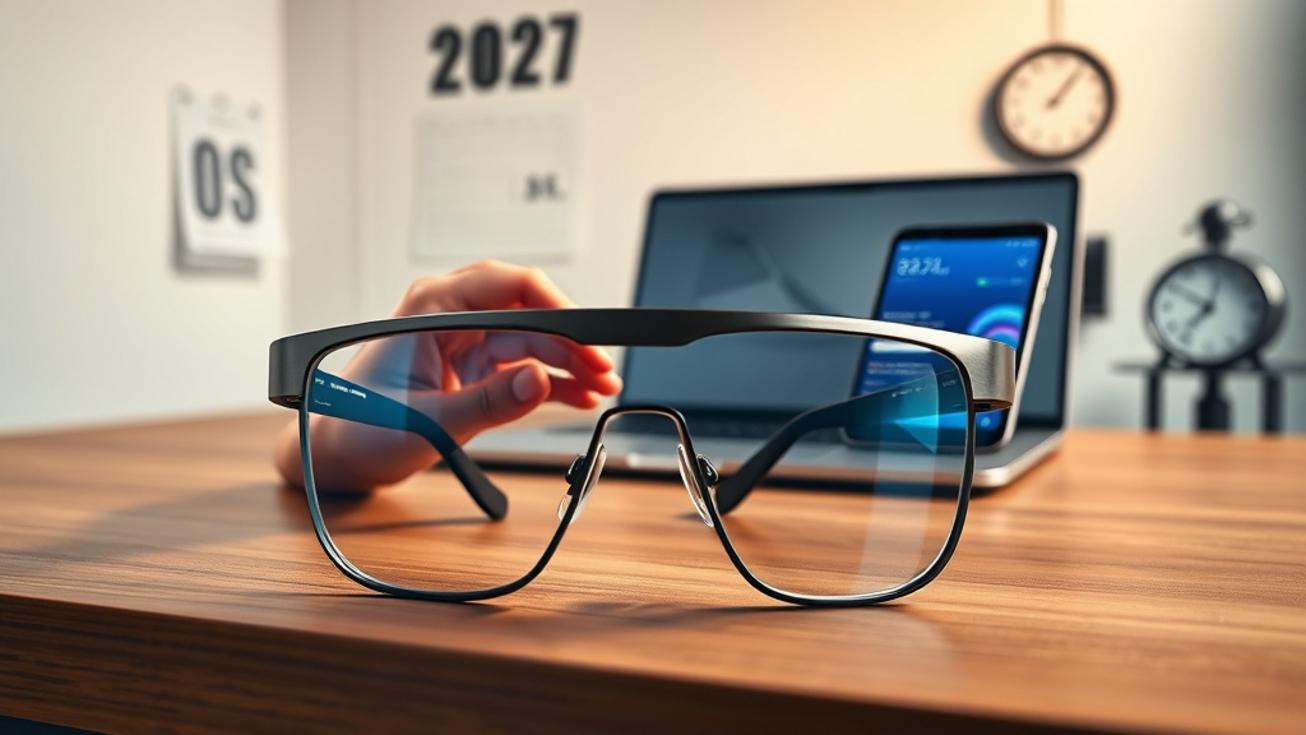
Timing also shifted significantly in 2025. Reported delays to large-scale mixed reality glasses launches pushed mass rollout timelines into 2027, suggesting companies are pausing to refine hardware, battery life, and, crucially, software integration. That pause matters more than you might think.
Early wins in hardware only pay off if the operating system and services make the device feel indispensable. Manufacturers are therefore investing not just in lenses and sensors, but in the software skins and platform updates that turn hardware into sustained value. Samsung’s public One UI 8.5 beta program is a perfect reminder that software refreshes still shape the lifecycle of devices and the features users actually get.
Curiosity-Driven Design Isn’t Dead
Despite the focus on mass-market products, 2025 didn’t forget curiosity-driven design. Design editors highlighted a string of imaginative, small-batch products, everything from a tiny sunlight emulator intended to correct circadian rhythm to a vest that lets wearers feel the subtle signals of trees. There were also open-source experiments aimed at the bedroom, like a Dream Recorder concept that explores capturing and interpreting dream content with AI, raising both technological and ethical questions.
Sustainable, repairable products also stood out, including children’s headphones designed to be assembled and fixed by their owners, a nod to repair culture that’s often missing in mainstream consumer electronics. These experimental approaches show that the quiet revolution in wearable tech isn’t just about mainstream adoption, it’s about rethinking our relationship with technology entirely.
Display Technology Leaps Forward
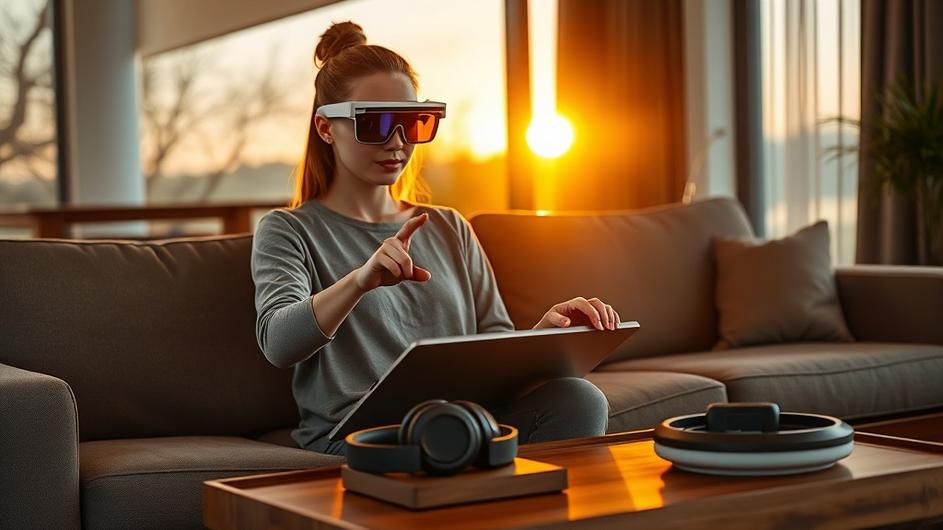
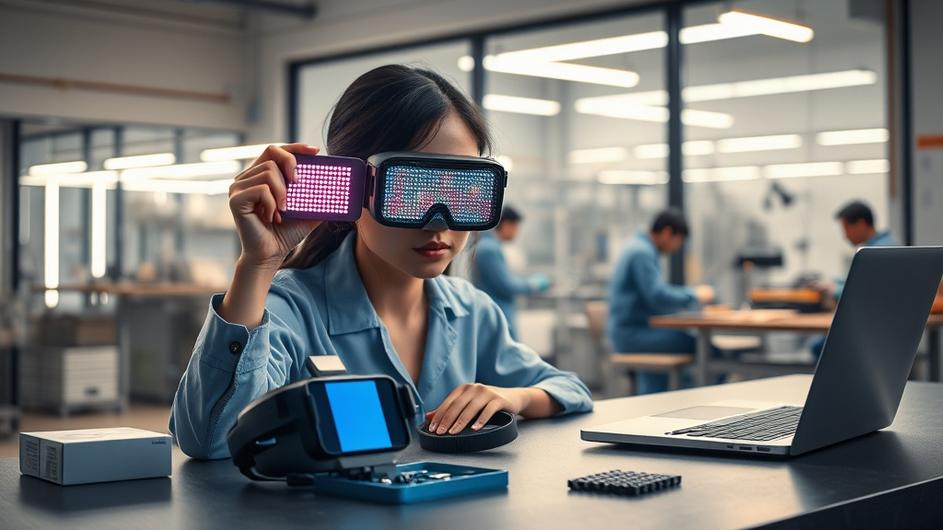
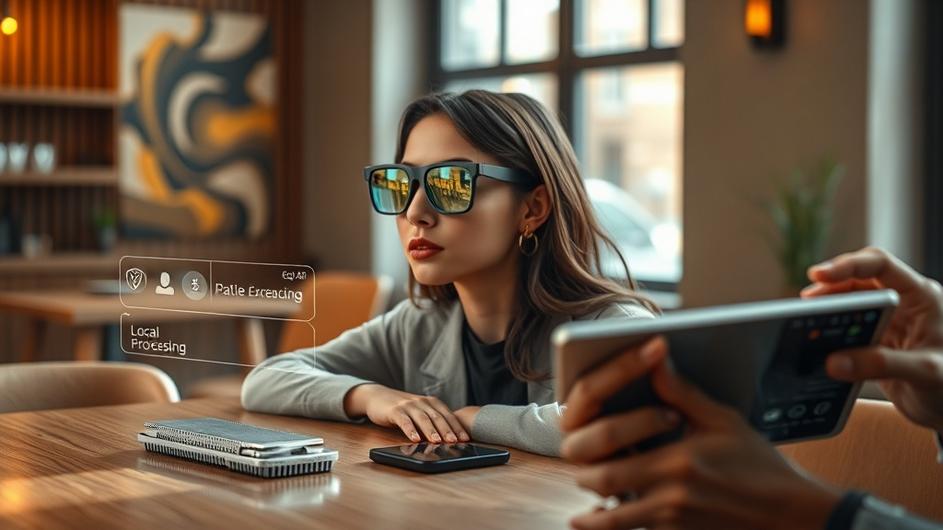
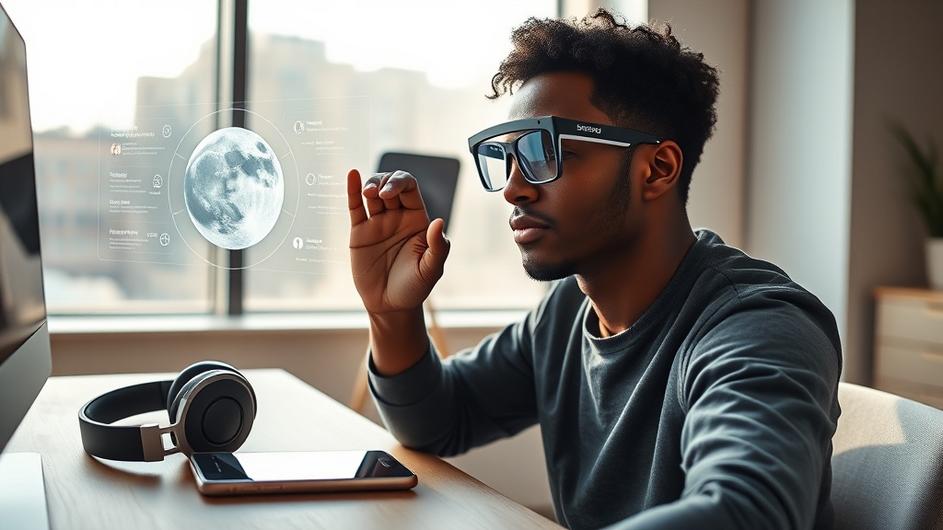
Underpinning all these launches was real progress in display and sensing technology. This year saw smart glasses that moved beyond single-color overlays to waveguide-based full-color displays, projecting contextual information directly into the wearer’s field of view. For non-specialists, a waveguide is an optical element that channels light from a tiny projector across a lens, creating a bright, compact image without a bulky headset.
That change matters because it finally makes heads-up displays readable and practical in everyday lighting. As industry analysts noted, these display advancements are reshaping who wins in the hardware race and what changes next for augmented reality.
The Privacy and Policy Question
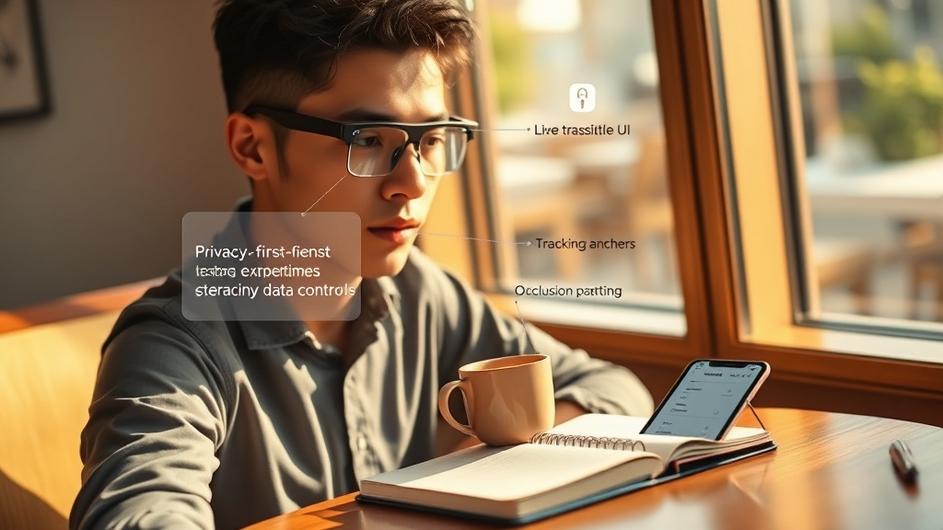
But progress raises serious policy and privacy questions. A blunt industry line about calling all consumer eyewear “AR glasses” triggered alarm among privacy advocates and regulators. The concern isn’t just semantic. Lumping traditional eyewear and advanced devices under a single AR banner can change how companies think about biometrics, face recognition, and data use, and that can shift the regulatory interpretation of what needs oversight.
As lawmakers draft wearable-specific rules, the industry’s language choices will shape compliance obligations and public perception. If everything becomes AR, then everything with a camera or sensor is suddenly subject to heightened scrutiny. This debate, highlighted in recent privacy discussions, shows how terminology can have real-world consequences for both companies and consumers.
What 2026 Holds
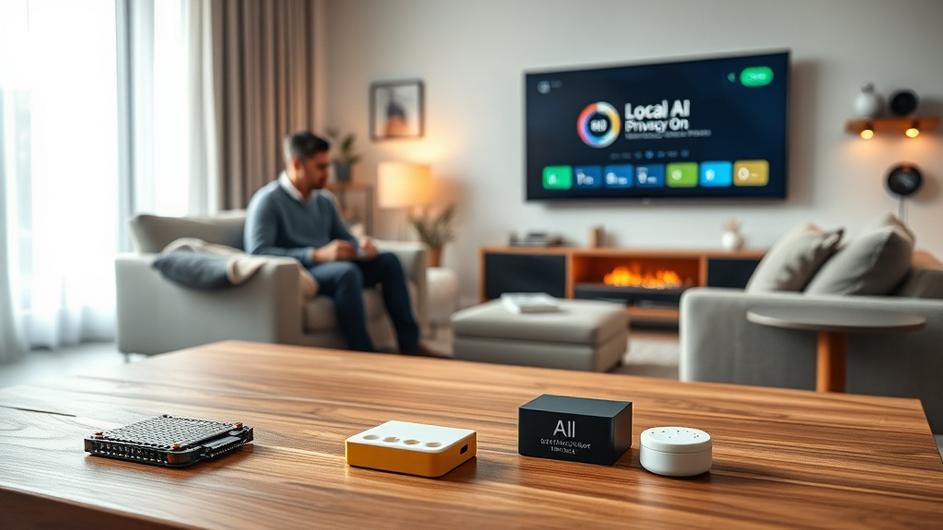
That tension between capability and trust is the real challenge for 2026. Consumers will only accept always-on assistants if they understand what data is collected, how it’s used, and how it’s protected. Companies that can articulate clear, user-centric privacy models, and back them up with hardware that limits exposure, will have a distinct advantage.
Likewise, making devices repairable and sustainable won’t be a nice-to-have, it will become a competitive differentiator in design-conscious markets. Looking at how AR unfolded in 2025, we can see the groundwork being laid for more responsible, transparent hardware development.
Looking forward, the pattern is clear. Hardware and AI will continue to co-evolve. Tri-fold phones and multifunction household robots show how new shapes enable new workflows, while wearables will keep oscillating between mass-market compromises and boutique experiments. Software updates and platform thinking will determine which products become indispensable, and regulatory pressure will force vendors to be explicit about data flows.
If 2025 was the year hardware reclaimed the narrative around AI, then 2026 will be about shaping the rules and experiences that make that hardware worth owning. Expect a slower, more deliberate rollout of mixed reality devices, more creative small-scale products that test unfamiliar human interactions, and a steady push toward transparency and repairability. The future won’t be teleported into existence by a single product, but assembled, iteratively, from better components, smarter software, and design choices that respect users and their communities.
As foldable and flexible tech continues to evolve, we’re seeing just the beginning of how hardware will reshape our digital lives. The question isn’t whether AI will become more integrated into our devices, it’s how we’ll ensure that integration serves human needs rather than corporate interests.
Sources
The top 10 gadgets of 2025, Dezeen, 12 Dec 2025
7 AR Moves In 2025 That Reveal Who Wins Hardware, Glass Almanac, 8 Dec 2025
The 5 most innovative tech products we tested this year (including a tri-fold surprise), ZDNET, 12 Dec 2025
“We Will Call All Our Glasses And Previous Products AR Glasses” Sparks Privacy Alarm In 2025, Glass Almanac, 12 Dec 2025
Samsung officially announcing One UI 8.5 beta program today, here’s what you need to know, SamMobile, 8 Dec 2025